In Fiji:

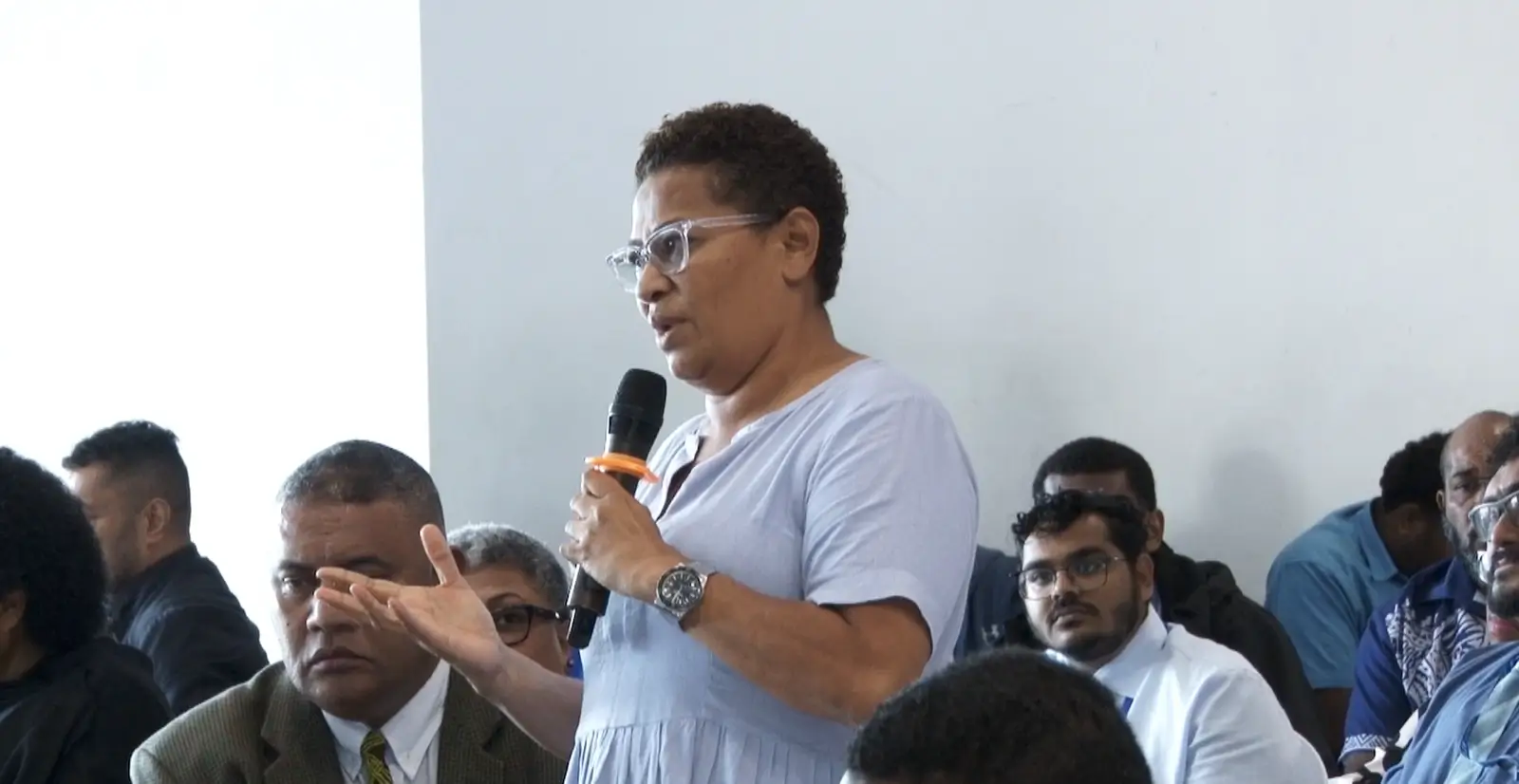
Calls are growing for a significant increase in the number of professional counsellors in Fiji’s schools, as stakeholders warn that the scale and complexity of the country’s drug crisis is outpacing current support systems.
Advocacy Coordinator and Counselling Psychologist at Caritas Fiji, Leba Tamari, says the education sector is under-resourced, with only one counsellor currently representing each district under the Education Ministry.
“There is only one counsellor representing a district, and that is not enough, considering the complexity and the scale of the drug crisis we are currently facing,” Tamari said.
Fiji has nine education districts, meaning thousands of students across primary and secondary schools are relying on limited professional psychosocial support at a time when methamphetamine use and addiction are increasingly affecting young people.
Tamari questioned whether the current submission before authorities could include provisions for professional counsellors to be placed in every school.
“Counselling is needed so that it matches the trauma that children are currently facing today,” she stressed, noting that students exposed to drug abuse, whether through personal use, family environments, or community settings, require specialised psychological care.
Responding to the concerns, Director of the Fiji Higher Education Commission, Dr Eci Naisele, acknowledged the importance of strengthening counselling services.
He said the Ministry is planning to station professional district counsellors across all nine education districts, before gradually expanding support to larger secondary and primary schools.
“We will move down to large secondary and primary schools. This will slowly build up the capacity in providing counselling services to schools, because we believe it is important,” Dr Naisele said.
He added that there are currently about 30 counsellors based in schools, as part of ongoing efforts to expand access to support services.
However, Tamari also raised broader concerns about rehabilitation and post-treatment support, pointing out that Fiji has only one rehabilitation centre to deal with drug addiction cases.
She questioned whether there are enough specialised experts to deal with the psychological and trauma-related aspects of addiction, particularly as methamphetamine cases become more prevalent.
“These are addicts. We are not dealing with marijuana cases anymore; these are methamphetamine cases,” she said.
Tamari further highlighted concerns about relapse, especially when individuals complete rehabilitation programs and return to communities without sustained psychological support.
The growing debate underscores the urgent need for a coordinated response that goes beyond enforcement, placing professional counselling and trauma-informed care at the centre of Fiji’s strategy to address drug abuse in schools and communities.
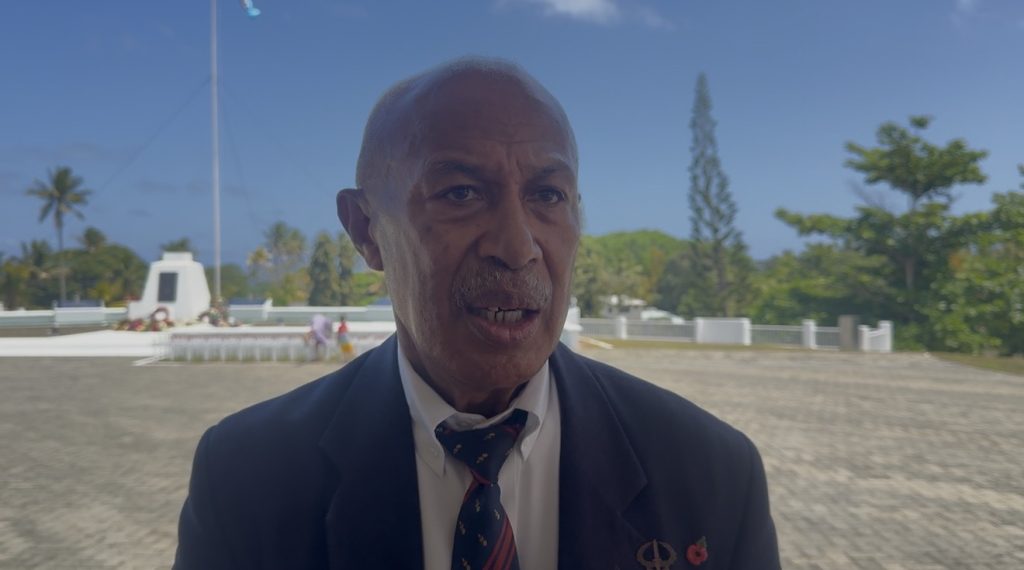
Veteran Questions Treatment of Former Servicemen At Remembrance Day Commemoration
Nov 11, 2026, 07:00 PM
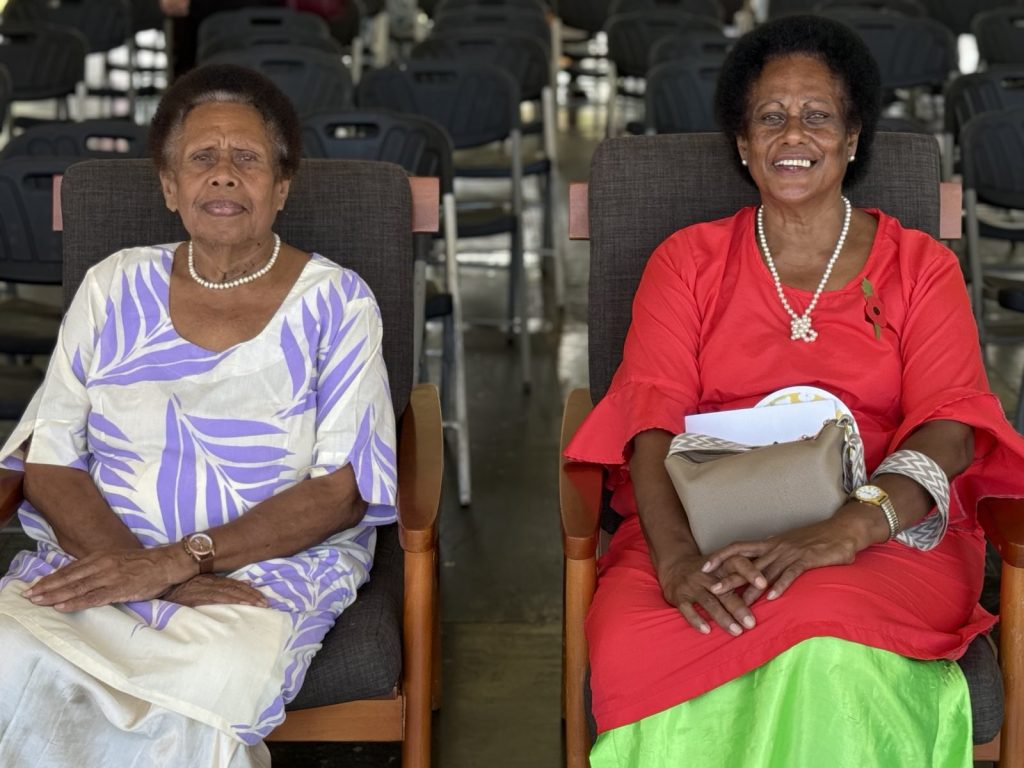
Sisters Honour Late Father's Legacy On Remembrance Day
Nov 11, 2026, 06:44 PM
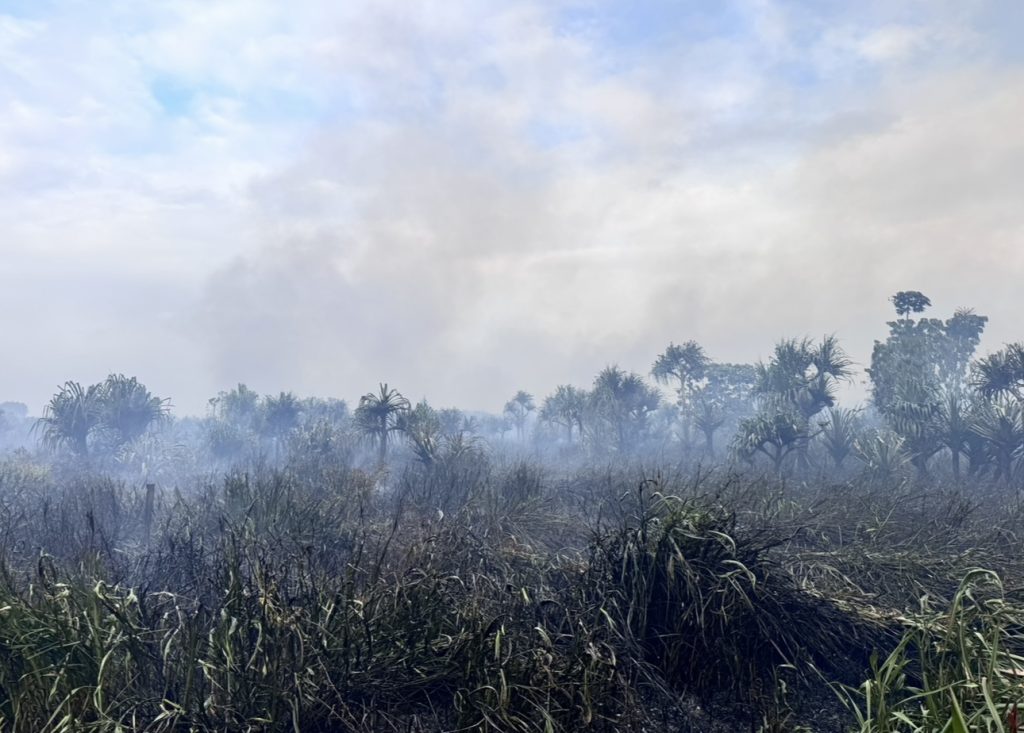
Agriculture Ministry launches six El Niño assistance packages
Nov 11, 2026, 05:56 PM
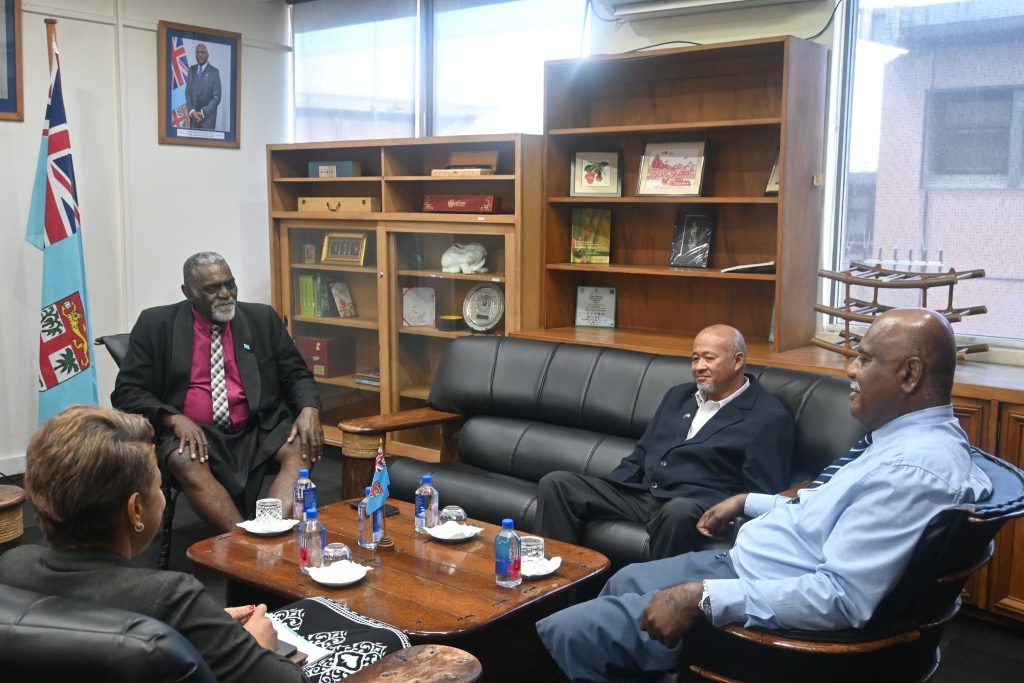
Sakiusa Tubuna welcomed as new Assistant Minister
Nov 11, 2026, 05:33 PM
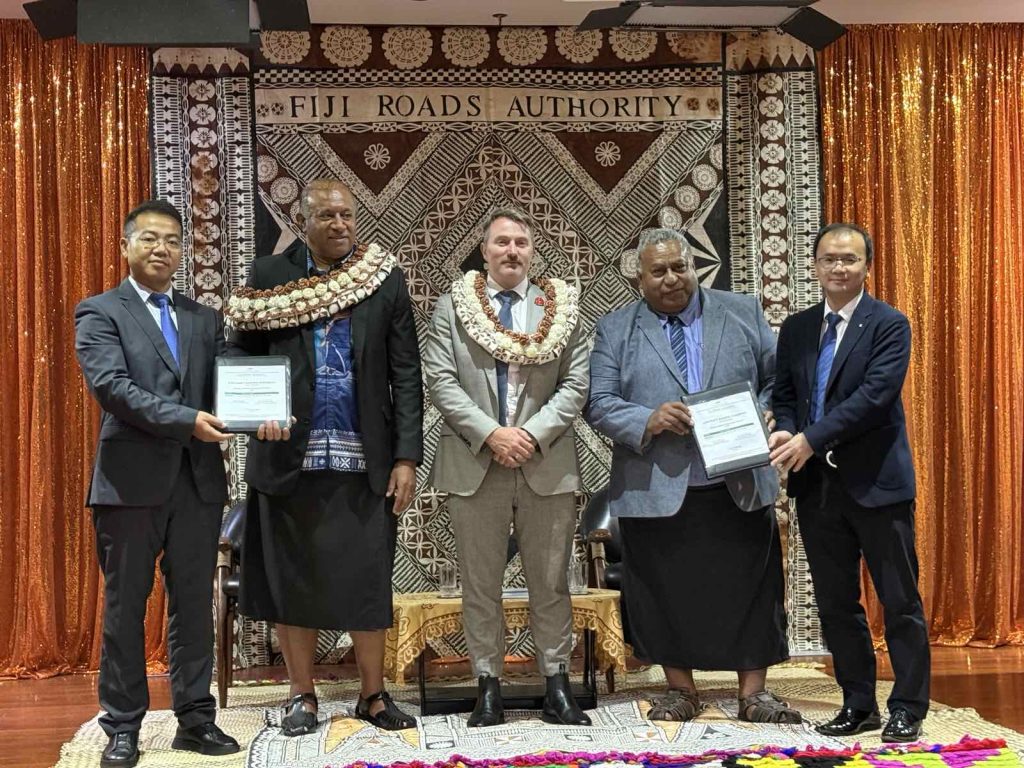
Four bridges to improve safety and connectivity for Fijians
Nov 11, 2026, 05:27 PM
Veteran Questions Treatment of Former Servicemen At Remembrance Day Commemoration
Nov 11, 2026, 07:00 PM
Sisters Honour Late Father's Legacy On Remembrance Day
Nov 11, 2026, 06:44 PM
Agriculture Ministry launches six El Niño assistance packages
Nov 11, 2026, 05:56 PM
Sakiusa Tubuna welcomed as new Assistant Minister
Nov 11, 2026, 05:33 PM
Four bridges to improve safety and connectivity for Fijians
Nov 11, 2026, 05:27 PM
 Eparama Warua