In Fiji:

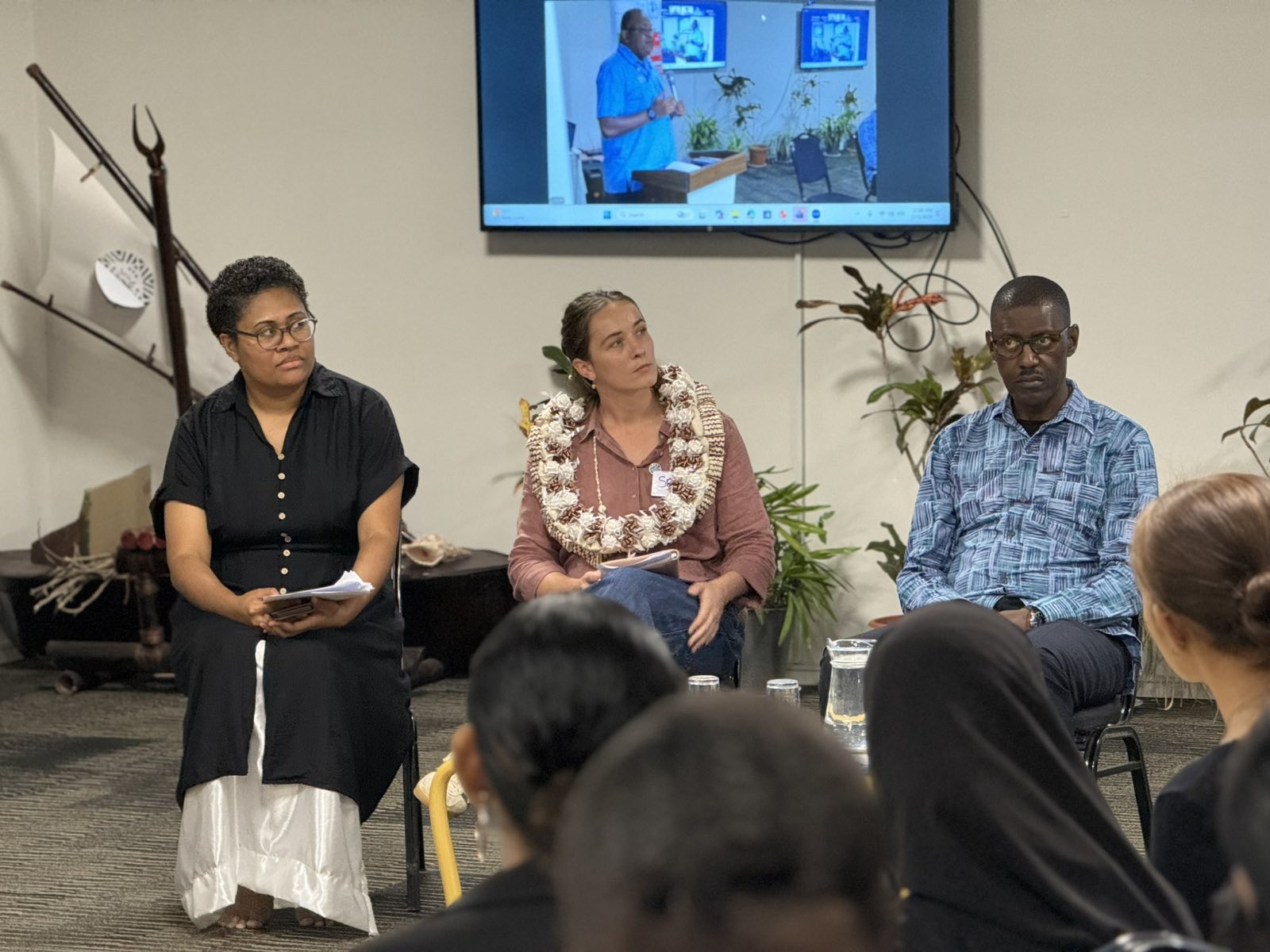
COP31 Presidency Youth Climate Champion Sally Higgins is urging Pacific young people to seize the opportunity presented by COP31 and help shape the future of global climate action.
Speaking to around 50 youths during the second Pacific Youth Talanoa Series in Suva this morning, Higgins says COP31 will be a defining moment for young people around the world, particularly those living on the frontlines of climate change.
Higgins, who is from a small community in regional Queensland, says growing up in a town of about 1,000 people and now living on a farm with her partner has shaped her understanding of climate action and the importance of community-led solutions.
She said local communities possess invaluable knowledge and experience that must be recognised in climate policy and implementation.
“Communities are central to being able to take action on climate change.”
Higgins described COP31 as a uniquely global year that offers young people an unprecedented platform to influence climate discussions and outcomes.
She said the summit should not view children and young people merely as leaders of the future, but as leaders and partners in climate action today.
“Young people are solution-makers, innovators and business leaders,” she said. “If we’re serious about taking action, we must ensure resources and opportunities are available for them to influence decision-making.”
Pacific Youth Council Coordinator Miliana Iga says Pacific young people have a critical opportunity to influence global climate discussions as preparations ramp up for COP31.
“We want one Pacific youth approach,” she said.
“We have various youth climate networks in the region and diverse community needs, but we would like to have one Pacific voice solidified and taken across to the COP negotiations.”
Iga encouraged young people to participate in the upcoming consultations and climate dialogues, stressing that Pacific youth must be actively involved in shaping climate policy.
“For youth in the Pacific, the message is clear: climate change and its impacts are lived realities,” she said.
She also highlighted an upcoming Australia-Pacific Youth Climate Dialogue scheduled for October in Nadi, urging eligible young people to apply and contribute to discussions on climate finance, loss and damage, and other key priorities.
The Pacific Youth Talanoa Series is co-designed and co-led by the Pacific Youth Council and the United Nations in partnership the Pasifika Communities University and Pacific regional organisations bringing together Pacific young people, regional organisations, development partners and youth networks to strengthen Pacific youth engagement on climate action and the journey towards COP31 and beyond.
Building on the momentum of the first Talanoa, the second session, “Understanding Systems that Shape Decisions,” provide participants with a deeper understanding of how regional and international climate processes influence decisions, and how Pacific youth can engage more effectively in these spaces.
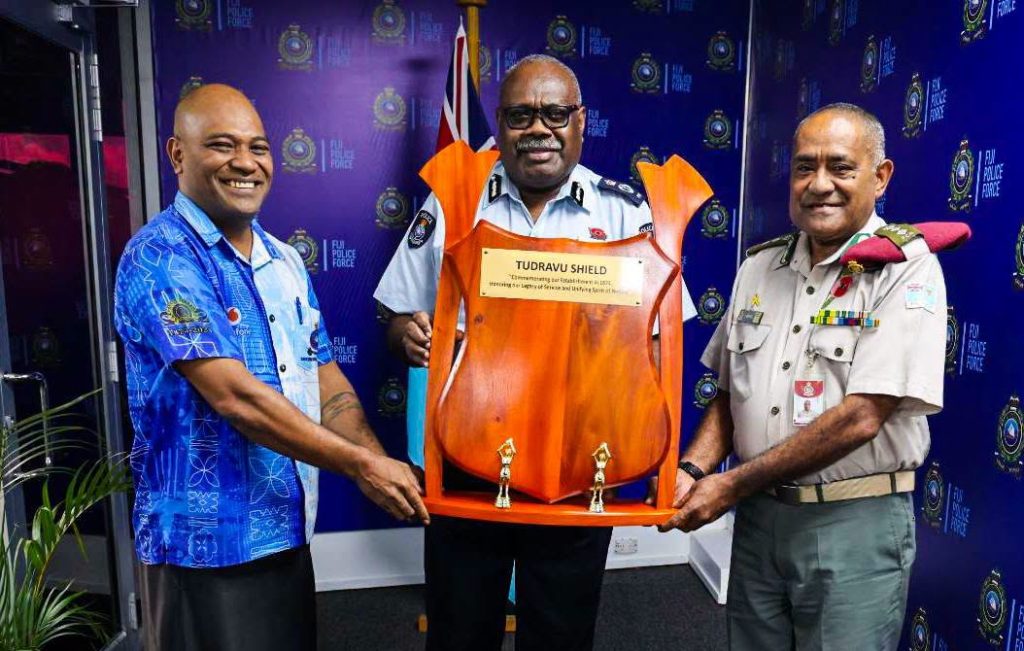
Armed Native Constabulary expands with netball
Oct 21, 2026, 09:31 AM
Gokals Launches Fujitsu Air Conditioning, Focusing on Customer Needs and...
Oct 20, 2026, 04:50 PM

SPX Opens Entries for 2026 Corporate Excellence Awards
Oct 20, 2026, 03:08 PM

Woolworths partners Rugby World Cups in Australia
Oct 20, 2026, 02:47 PM
At 71 Karl Smith Continues to Thrive in Farming
Oct 20, 2026, 02:44 PM
Armed Native Constabulary expands with netball
Oct 21, 2026, 09:31 AM
Gokals Launches Fujitsu Air Conditioning, Focusing on Customer Needs and...
Oct 20, 2026, 04:50 PM
SPX Opens Entries for 2026 Corporate Excellence Awards
Oct 20, 2026, 03:08 PM
Woolworths partners Rugby World Cups in Australia
Oct 20, 2026, 02:47 PM
At 71 Karl Smith Continues to Thrive in Farming
Oct 20, 2026, 02:44 PM
 Mereoni Mili