In Fiji:

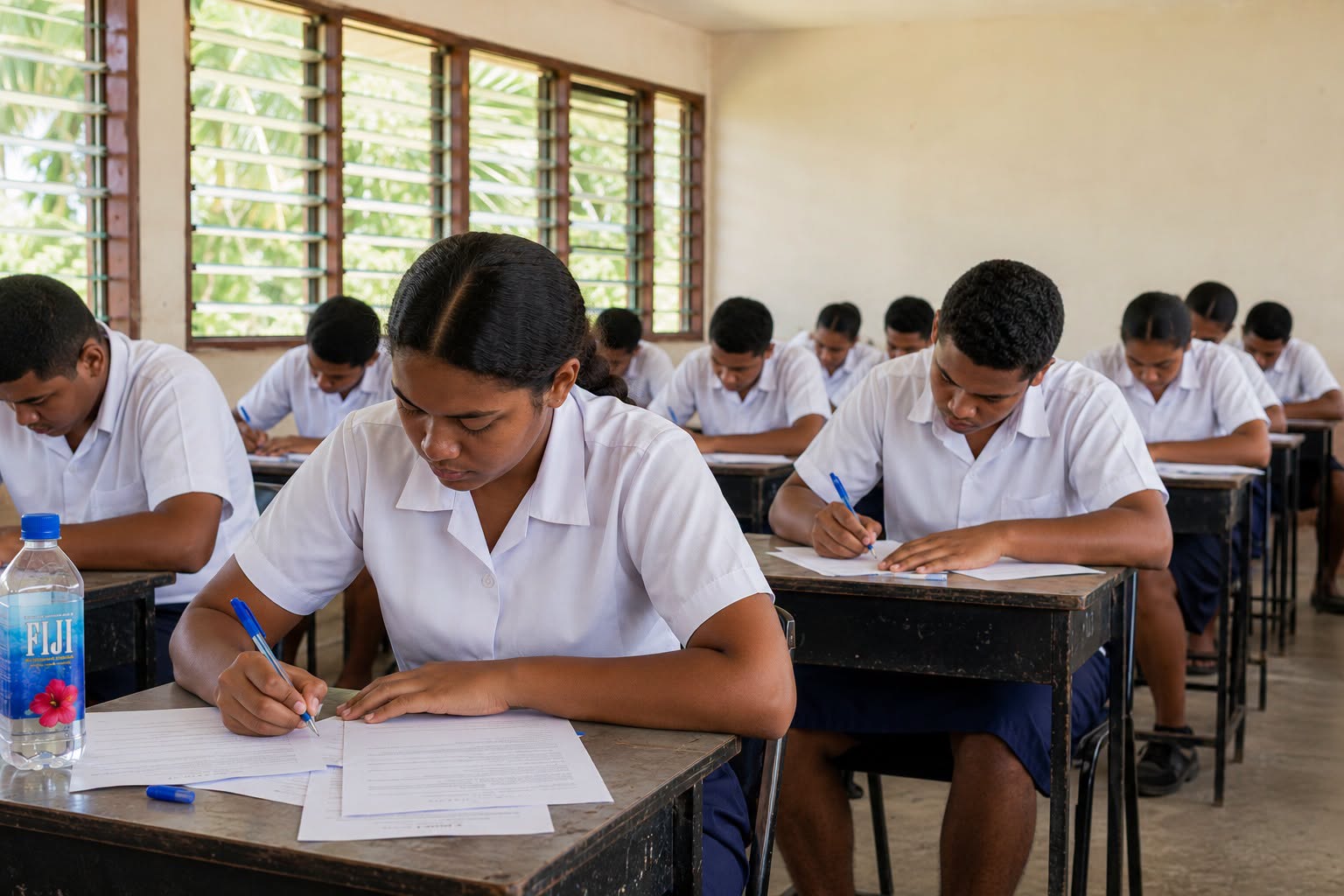
New findings from the 2025 Pacific Islands Literacy and Numeracy Assessment (PILNA) are highlighting an association between students’ experiences of bullying and their academic achievement.
The findings in the report examines student performance across literacy and numeracy while also considering wider conditions in which Pacific students learn.
As part of the assessment, students reported on different types of bullying they experienced.
The report found that the most common behaviours were being teased or called offensive names and having belongings broken or stolen, with around two thirds of students reporting these experiences at least once.
While some students experienced these behaviours only once or twice, a substantial proportion reported repeated incidents.
The students’ responses were combined into a bullying scale, with higher scores representing more frequent experiences of bullying.
When the bullying scale was compared with students’ proficiency levels, those who achieved the minimum expected proficiency generally reported lower levels of bullying than students who did not meet the expected level.
The findings place student wellbeing alongside academic achievement as an area for education systems to consider when looking at factors surrounding learning.
The Deputy Director of Educational Quality and Assessment Programme, Seci Waqabaca, said that PILNA has given us the evidence and it is now our time to take action.
He mentions that action must be taken to strengthen reading, deepen thinking and support teachers and school leaders and to protect learners’ wellbeing.
“The value of PILNA will ultimately not be measured by the quality of data that is collected but rather by the quality of the decision that is made because of it,” Seci said.
He said PILNA should be used as evidence to identify priorities and target policy investments, support implementation and then monitor whether learners’ experience and outcomes are improving.
For schools, the findings could provide further insight into the experiences students have within the school environment and the importance of addressing bullying as part of broader student wellbeing efforts.
By: Prishanta Neha Sharma
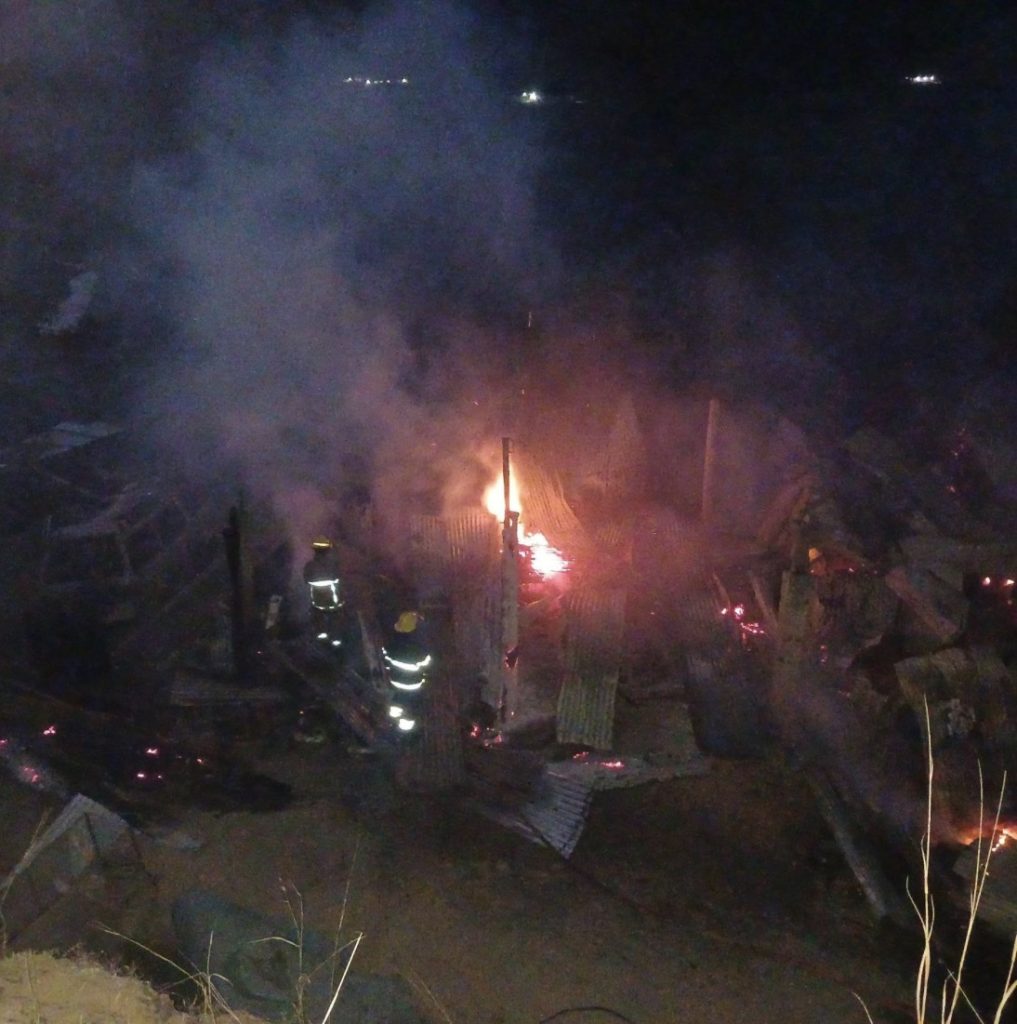
10 left homeless after devastating residential fire
Sep 08, 2026, 03:17 PM

Springboks make two changes for All Blacks showdown
Sep 08, 2026, 02:27 PM

Australia to host Fiji and New Zealand in inaugural Kick...
Sep 08, 2026, 02:14 PM

Navosa face uphill battle against Naitasiri in Skipper Cup clash
Sep 08, 2026, 01:49 PM

Junior Bula Boys’ World Cup bid ends in Samoa
Sep 08, 2026, 12:23 PM
10 left homeless after devastating residential fire
Sep 08, 2026, 03:17 PM
Springboks make two changes for All Blacks showdown
Sep 08, 2026, 02:27 PM
Australia to host Fiji and New Zealand in inaugural Kick...
Sep 08, 2026, 02:14 PM
Navosa face uphill battle against Naitasiri in Skipper Cup clash
Sep 08, 2026, 01:49 PM
Junior Bula Boys’ World Cup bid ends in Samoa
Sep 08, 2026, 12:23 PM
 Fiji One News Team