In Fiji:

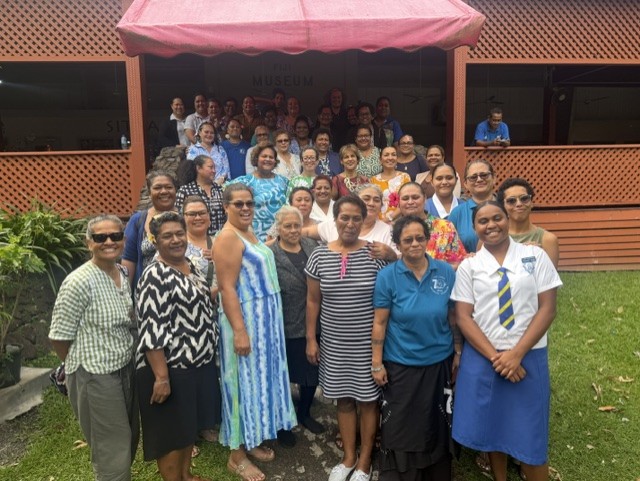
Women in Fiji are being urged to move beyond simply being included in leadership spaces and to actively influence the decisions made within them.
The call was made during the Saint Joseph Secondary School 70th anniversary Law and Governance Seminar in Suva today, where former students and current student panelists discussed the barriers women continue to face in leadership, corporate and policy-making spaces.
Former World Bank Vice President for Accountability and gender advocate Imrana Jalal said women continue to face structural sexism and discrimination, while also battling personal barriers such as a lack of confidence and fear of failure.
She said Fiji Women’s Rights Movement research tracking women’s representation on government and State-owned enterprise boards since 2020 shows some progress, but also highlights continuing gaps.
Jalal said women held just 19 percent of board positions in 2020, compared with 29 percent in 2026.
However, she said the proportion of boards without a single woman had increased from 30 percent to 55 percent.
Board chair positions held by women had improved from five percent in 2020 to 10 percent in 2026.
Jalal said the figures demonstrate that while progress has been made, it remains uneven.
She also stressed that the push for women in leadership is not simply about representation, but about ensuring qualified women are given opportunities to contribute to decision-making.
Jalal said women often sell themselves short and need to develop the confidence to speak, ask questions, seek opportunities and accept that mistakes are part of leadership.
She encouraged women to find mentors, seek advice when they do not know something, continue learning beyond their own professions and surround themselves with people who encourage them.
Her message was also about leadership itself.
Jalal said women should not be overly concerned with being popular, arguing that good leadership sometimes requires making difficult decisions that may not be popular.
Former student and corporate leader Lisa Apted echoed the importance of confidence and visibility, saying women cannot simply work hard and expect to automatically be noticed.
Apted said women need to ensure their contributions are visible to those who make decisions.
She recalled entering professional spaces where she was initially known in relation to other people, as someone’s sister, daughter or niece, rather than being recognised for her own abilities.
She said learning to see herself as an equal was an important part of developing confidence.
Apted also urged women to challenge decisions when they believe they have been overlooked for promotions or opportunities.
She said young girls should be encouraged from an early age to have opinions, ask questions and use their voices.
For lawyer and gender advocate Liliwaimanu Vuiyasawa, the issue goes beyond individual confidence and into the way policies and systems are designed.
Vuiyasawa questioned whether women’s participation in consultations and policy discussions is actually translating into meaningful changes in systems and structures.
She said who sits at the decision-making table matters because policies can determine whose needs are prioritised, whose voices are heard and whose realities are made visible.
Vuiyasawa highlighted the often invisible responsibilities carried by women, including childcare, elderly care and unpaid household work.
She said these responsibilities can affect women’s ability to participate fully in the formal workforce and leadership spaces.
Her central message was that consultation alone does not necessarily translate into power.
The youngest voice on the panel, current Year 12 student Allia Elbourne, challenged the audience to consider whether the spaces women are entering are actually designed to accommodate them.
Elbourne said young women today have inherited opportunities created by previous generations of women who fought for education, participation and greater freedom.
But she said opening the door is not enough if the systems behind it continue to make women feel they need to shrink themselves to fit in.
She urged families and communities to encourage girls to participate, express their opinions and pursue their ambitions, while educating boys about equality and respect.
Elbourne said the responsibility for change cannot rest with women alone.
She called for communities where young girls feel safe, valued, heard and supported, and encouraged women to uplift other women rather than leaving others behind.
The four panellists ultimately shared a common message and that is, progress in women’s representation must go beyond numbers.
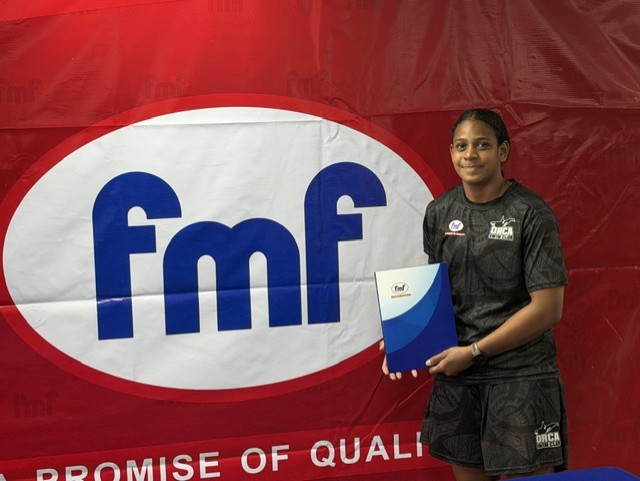
FMF Foods Signs 3 Year Deal with Grace Khelen
Sep 08, 2026, 05:56 PM

Three youths front court for allegedly robbing a man in...
Sep 08, 2026, 04:34 PM

10 left homeless after devastating residential fire
Sep 08, 2026, 03:17 PM
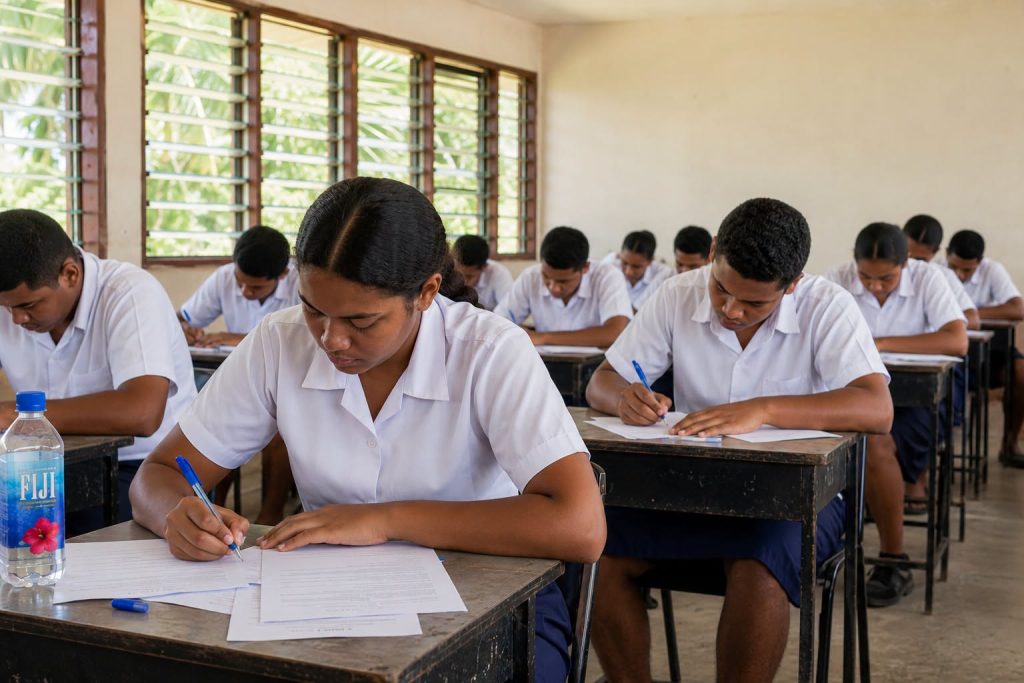
PILNA findings reveal impact of bullying on achievement
Sep 08, 2026, 02:45 PM

Springboks make two changes for All Blacks showdown
Sep 08, 2026, 02:27 PM
FMF Foods Signs 3 Year Deal with Grace Khelen
Sep 08, 2026, 05:56 PM
Three youths front court for allegedly robbing a man in...
Sep 08, 2026, 04:34 PM
10 left homeless after devastating residential fire
Sep 08, 2026, 03:17 PM
PILNA findings reveal impact of bullying on achievement
Sep 08, 2026, 02:45 PM
Springboks make two changes for All Blacks showdown
Sep 08, 2026, 02:27 PM
 Eparama Warua