In Fiji:

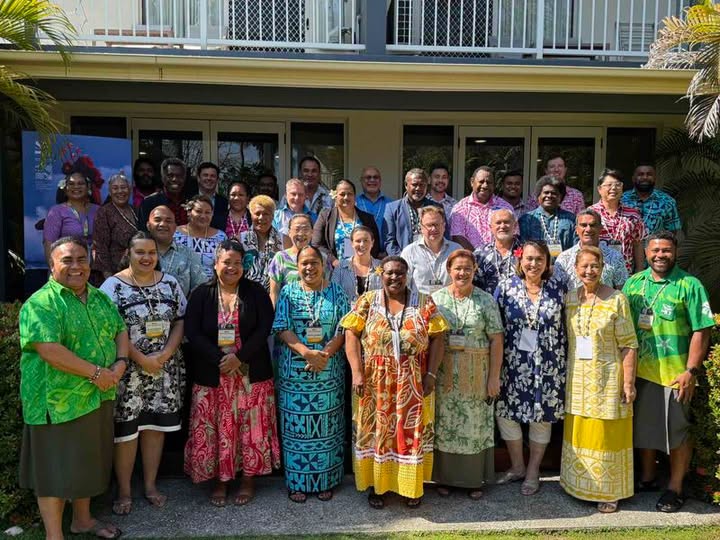
The South Pacific Tourism Organisation (SPTO) will retain its status as a standalone Council of Regional Organisations of the Pacific (CROP) agency following a regional architecture review endorsed by Pacific Islands Forum Leaders in Palau.
The decision recognises tourism’s importance to the economic resilience, cultural identity and wellbeing of Pacific communities as regional institutions work towards the goals of the 2050 Strategy for the Blue Pacific Continent.
The Council of Tourism Ministers received a briefing from Pacific Islands Forum Deputy Secretary General Esala Nayasi on proposed regional reforms, including plans to strengthen coordination, accountability and collaboration among CROP agencies between 2027 and 2030.
The reform process will focus on aligning regional systems, improving governance and integrating service delivery, while maintaining existing mandates where there is insufficient evidence to justify structural changes. Any proposed restructuring will require thorough due diligence.
SPTO Chief Executive Officer Christopher Cocker welcomed the recognition of the organisation’s independent regional role, saying tourism must remain central to Pacific development priorities.
Cocker said the decision reflected sustained advocacy by SPTO, its champion countries and consultant Utoikamanu, with support from New Zealand Māori Tourism, for tourism to have a distinct and accountable voice in regional decision-making.
He identified key priorities for 2027, including reviewing regional ministerial meetings and reporting arrangements under the 2050 Strategy, updating the CROP Charter in line with the review’s recommendations, and strengthening collaboration between regional organisations through the One-CROP framework.
The regional architecture review also recognised other smaller CROP agencies as standalone entities. The phased reform programme is expected to guide the transition towards greater member-driven regional delivery through 2030.
Cocker said SPTO remained ready to work with Pacific governments and regional partners to support shared priorities and deliver outcomes that benefit member countries and communities.
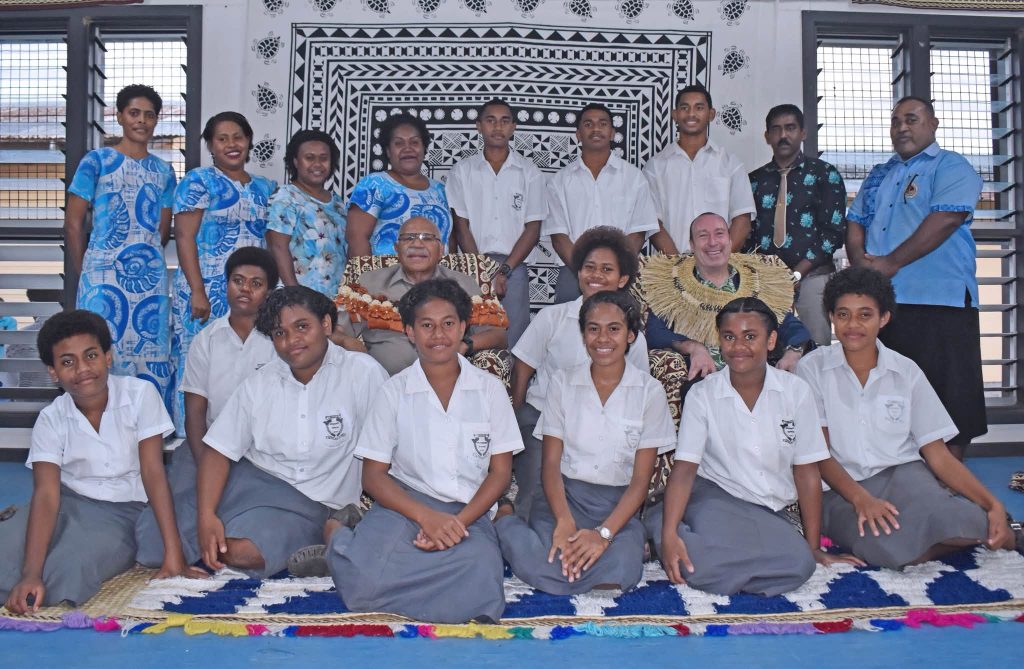
Borehole Projects Improve Water Access for Bua Schools
Oct 27, 2026, 01:49 PM
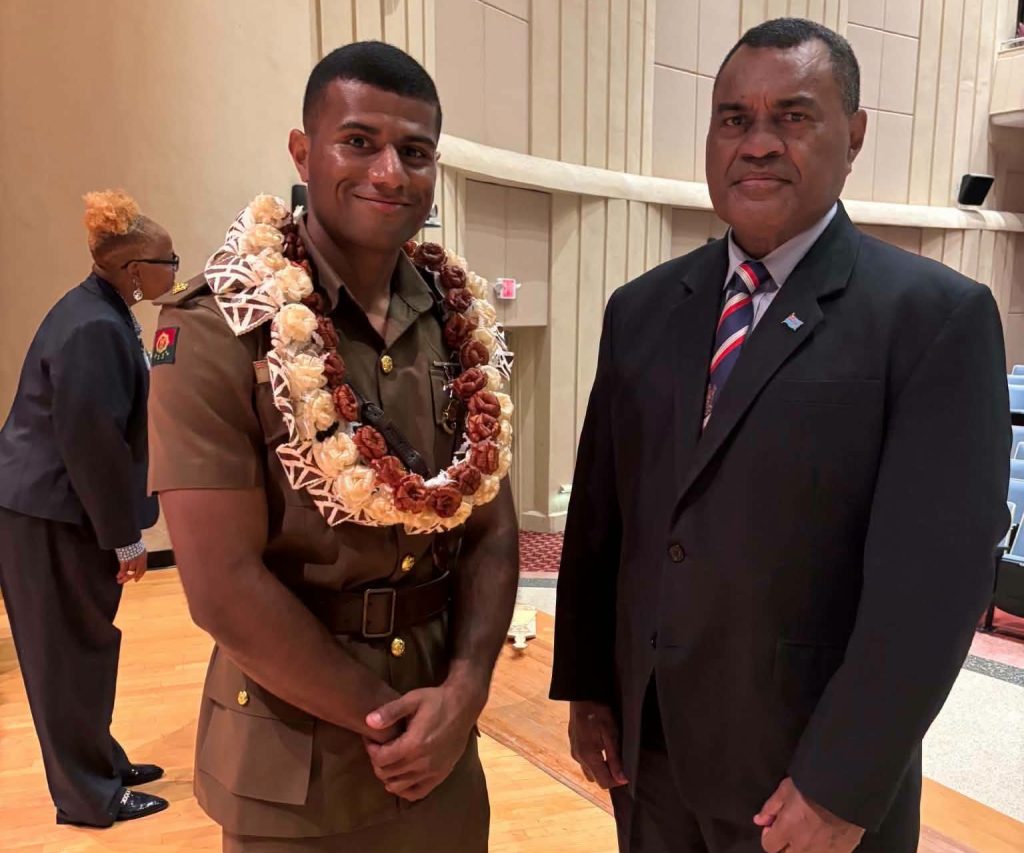
Fijian Officer Makes RFMF History at US Marine Corps School
Oct 27, 2026, 12:41 PM
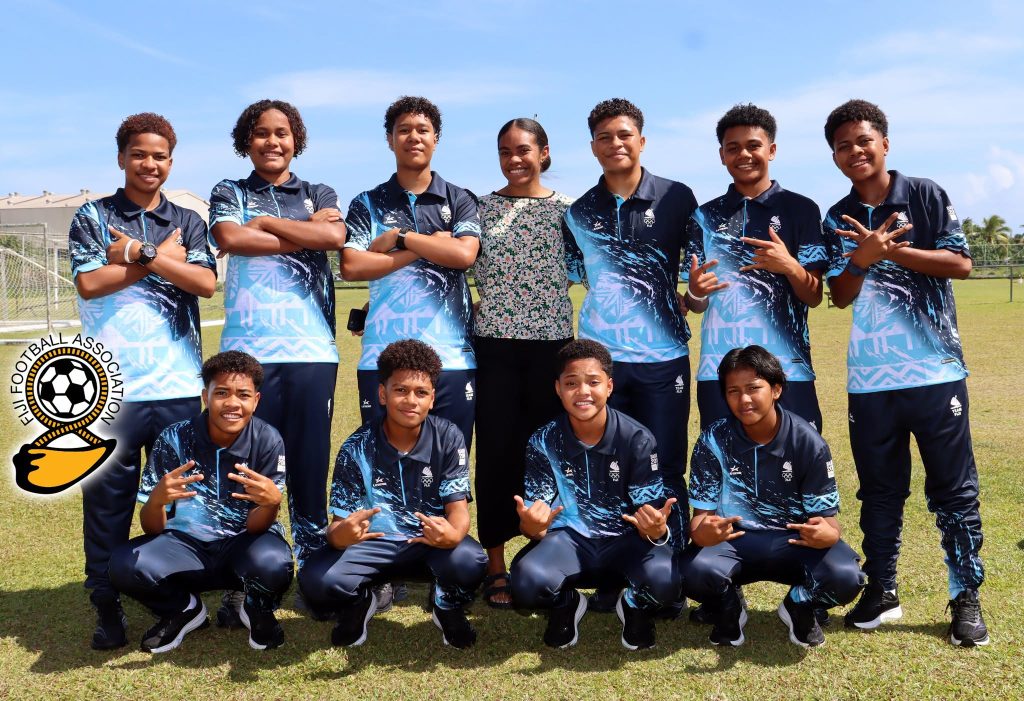
Fiji U17 Girls Futsal Team Embarks on Historic Youth Olympic...
Oct 27, 2026, 11:59 AM

World Rugby announces 2026 Women’s Awards Nominees
Oct 27, 2026, 11:55 AM
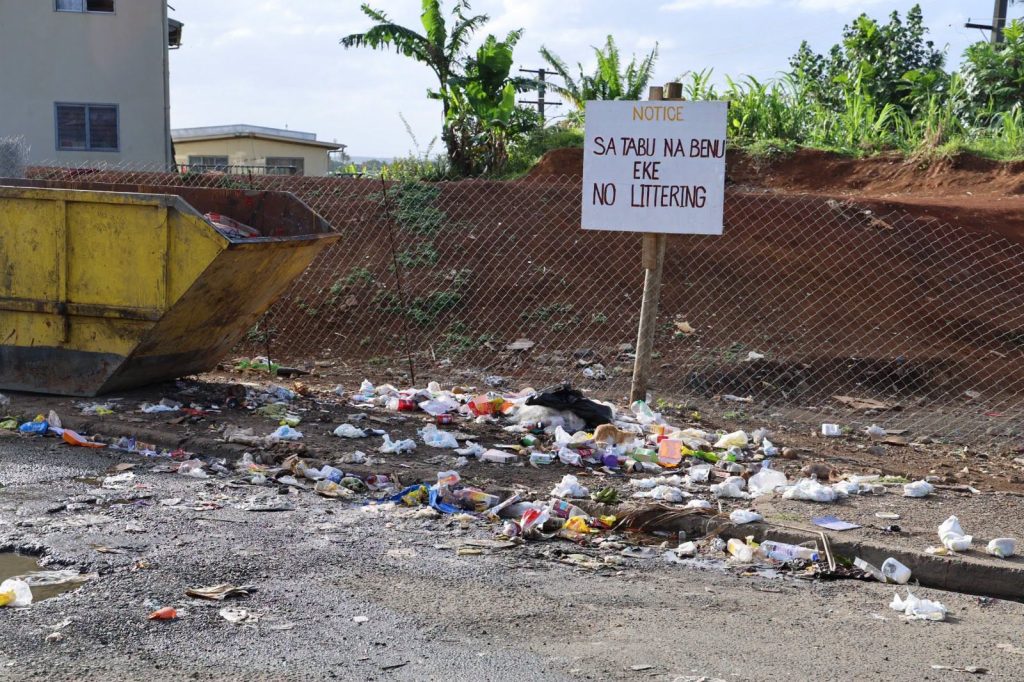
190 Litter Fines Issued Across Fiji
Oct 27, 2026, 11:52 AM
Borehole Projects Improve Water Access for Bua Schools
Oct 27, 2026, 01:49 PM
Fijian Officer Makes RFMF History at US Marine Corps School
Oct 27, 2026, 12:41 PM
Fiji U17 Girls Futsal Team Embarks on Historic Youth Olympic...
Oct 27, 2026, 11:59 AM
World Rugby announces 2026 Women’s Awards Nominees
Oct 27, 2026, 11:55 AM
190 Litter Fines Issued Across Fiji
Oct 27, 2026, 11:52 AM
 Fiji One News Team