In Fiji:

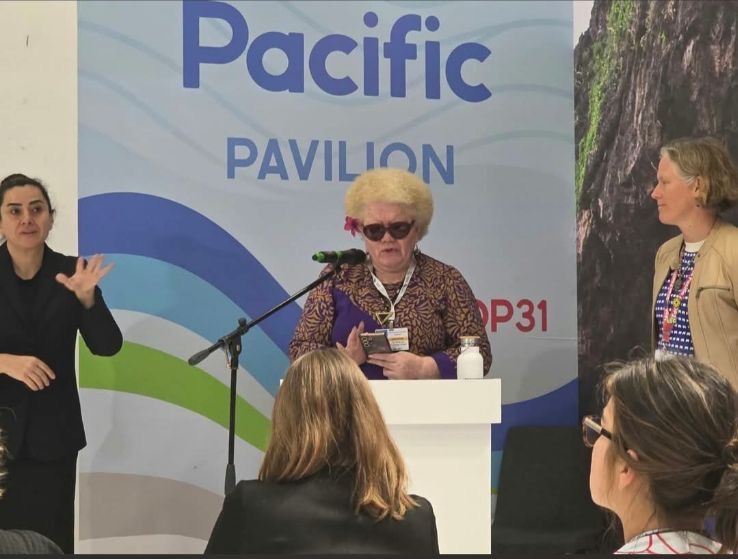
The Pacific Disability Forum is pushing for persons with disabilities to gain formal constituency status under the United Nations Framework Convention on Climate Change (UNFCCC) to strengthen their participation in global climate negotiations.
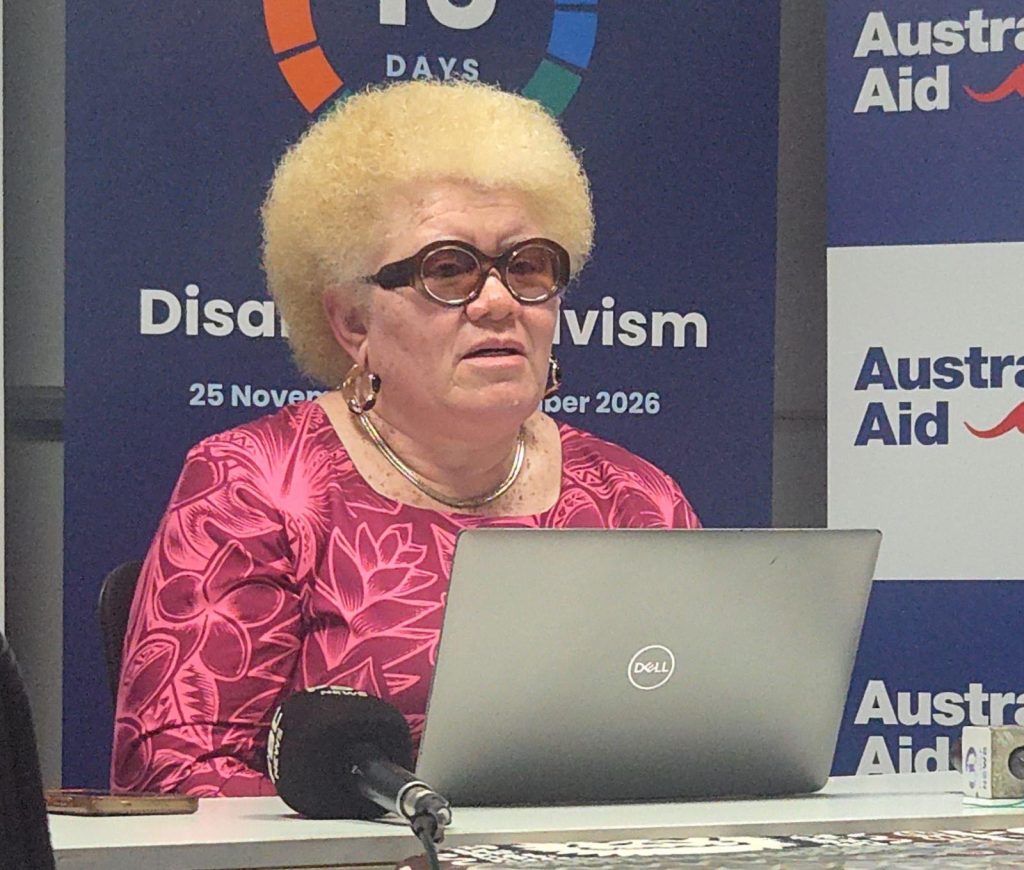
Pacific Disability Forum representative Sainimili Tawake said disability organisations currently participate in the UNFCCC process as a caucus, limiting their ability to engage directly in negotiations with governments and other parties.
She said the Forum, alongside disability organisations from around the world, was advocating for recognition as a formal constituency.
“Once we become a constituent, it is easy for us to go into the negotiation tables,” Tawake said.
She explained that under the current arrangement, disability representatives often relied on other parties to take their proposed messages and negotiation text forward.
Formal constituency status would provide a stronger platform for persons with disabilities to engage directly with governments and advocate for climate policies that reflect their experiences and needs.
Tawake said the Pacific brought important messages to the recent COP climate conference in Antalya, Türkiye, following a regional gathering in the Republic of the Marshall Islands in August.
The gathering brought together representatives of young people and women with disabilities from the North Pacific to discuss the impacts of the climate crisis and develop messages for international climate discussions.
Those messages were subsequently channelled through the pre-COP meeting in Nadi and presented at COP.
Tawake said one of the key messages was the need to recognise persons with disabilities as leaders in climate action, rather than treating their participation as tokenistic.
She also emphasised the importance of disability-inclusive climate financing, saying funding must reach persons with disabilities and support programmes designed around their needs.
However, she stressed that accountability must be part of inclusive financing to ensure resources were properly directed and utilised.
Reflecting on the Pacific’s contribution, Tawake said she delivered several presentations at COP, including at a high-level meeting where she presented the outcome statement from the Marshall Islands gathering.
She said the Pacific was not only highlighting the challenges faced by persons with disabilities but was also presenting practical solutions already being implemented across the region.
These include partnerships with churches to conduct accessibility audits of buildings and surrounding areas, recognising that churches often serve as evacuation centres during disasters.
The Forum is also working with the United Nations Capital Development Fund and the Reserve Bank of Fiji on parametric insurance, bringing disability inclusion into discussions on financial resilience.
Tawake said climate change responses must also address the preconditions for inclusion, including accessible infrastructure, roads, transport, information, assistive technology, support services and inclusive laws and policies.
She said persons with disabilities must be involved from the beginning of climate planning and decision-making processes.
“Leadership of persons with disabilities is very important. They have to be at the table, having discussions on everything that impacts their lives,” she said.
Tawake said the Pacific had made progress in disability-inclusive development, but formal recognition within the UNFCCC remained an important step towards ensuring persons with disabilities had a stronger voice in global climate negotiations.
By: Litia Rabua
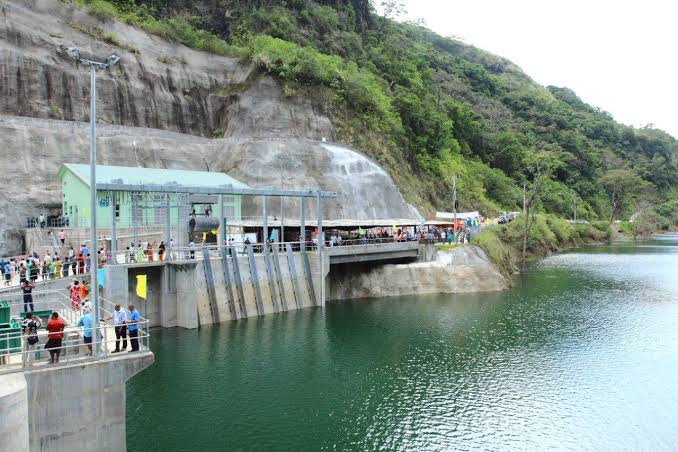
EFL request additional fuel surcharge amid drought
Nov 24, 2026, 05:31 PM
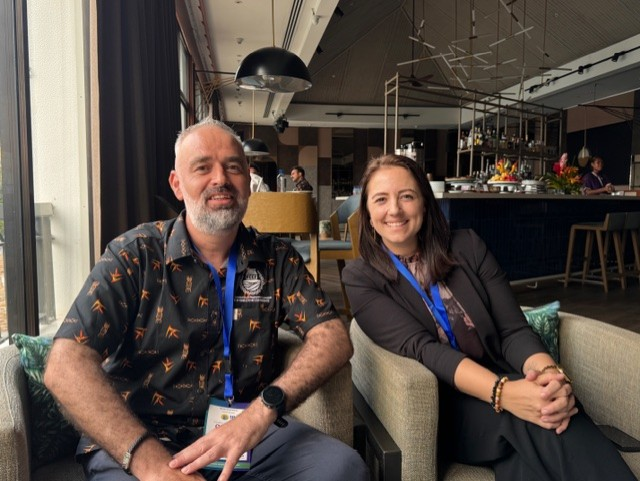
$32,500 raised to support free life-saving heart surgeries at Sai...
Nov 24, 2026, 05:16 PM

Sowakula’s spectacular try up for International Award
Nov 24, 2026, 04:15 PM
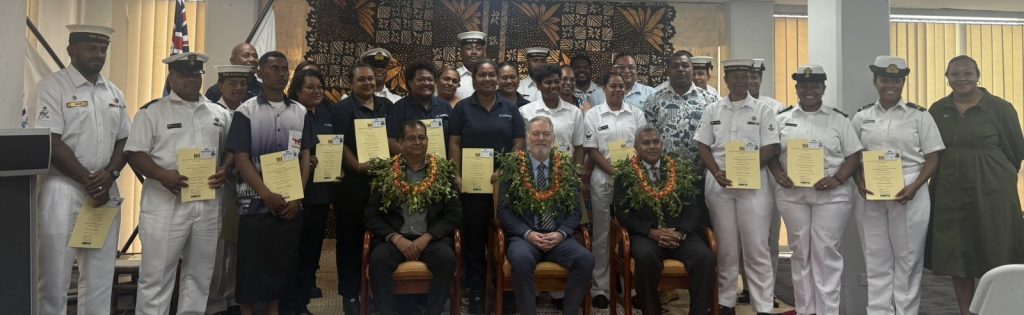
40 Graduate from Boat Master Training
Nov 24, 2026, 03:02 PM
Pacific Disability Forum calls for action against violence towards women...
Nov 24, 2026, 03:01 PM
EFL request additional fuel surcharge amid drought
Nov 24, 2026, 05:31 PM
$32,500 raised to support free life-saving heart surgeries at Sai...
Nov 24, 2026, 05:16 PM
Sowakula’s spectacular try up for International Award
Nov 24, 2026, 04:15 PM
40 Graduate from Boat Master Training
Nov 24, 2026, 03:02 PM
Pacific Disability Forum calls for action against violence towards women...
Nov 24, 2026, 03:01 PM
 Fiji One News Team