In Fiji:

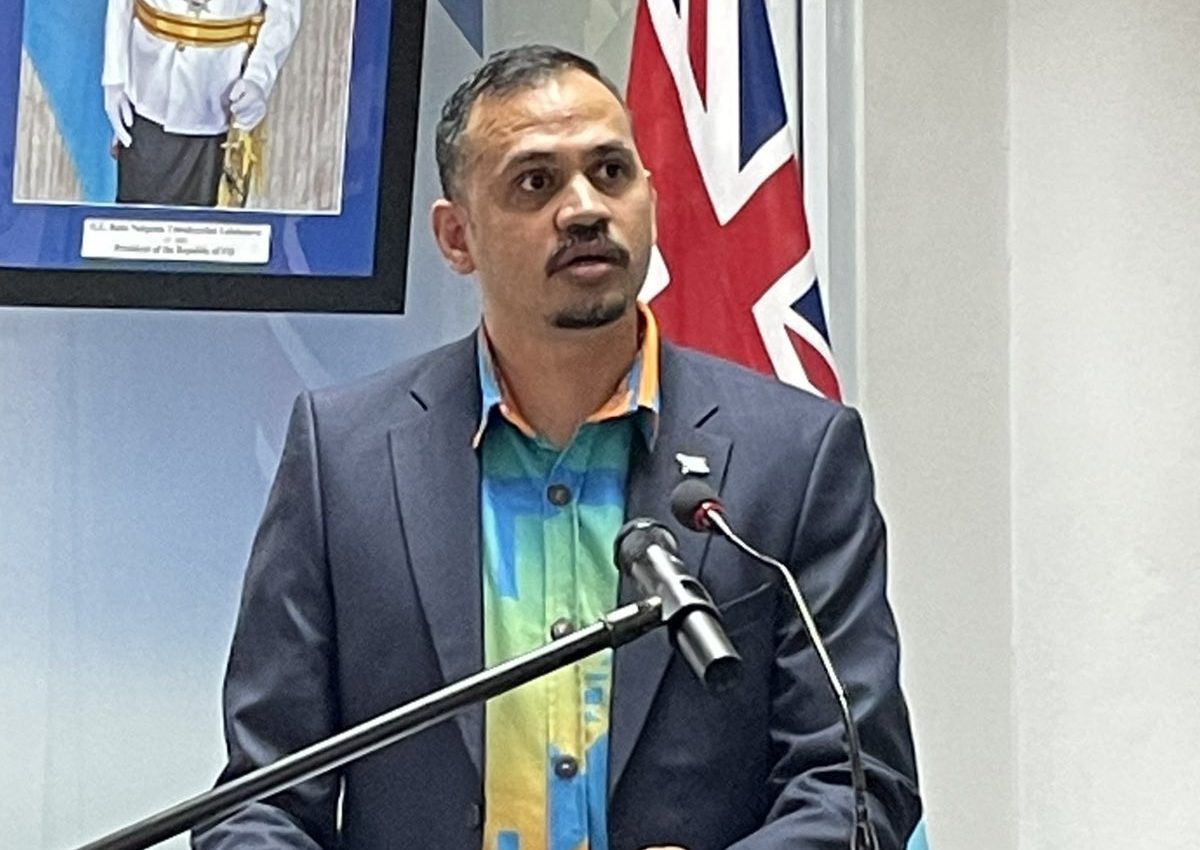
Fiji has defended its decision not to support parts of the COP31 outcome, saying accepting an agreement that does not protect the interests of vulnerable countries would have been the wrong choice.
For Fiji, the negotiations were not simply about reaching a deal.
The Government highlighted that the final agreement also had to address the concerns of countries already dealing with the effects of climate change.
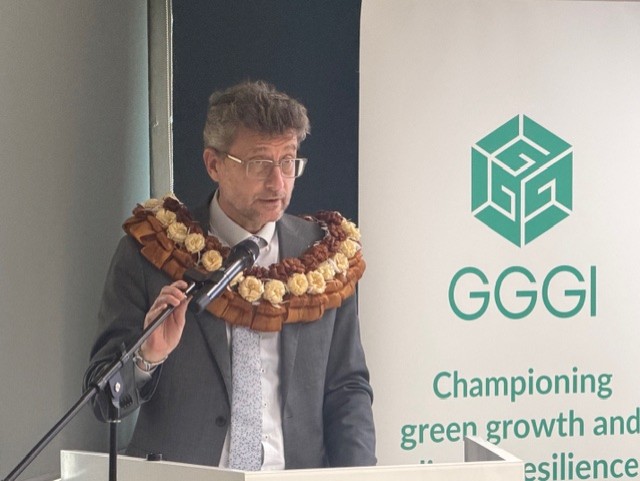
Permanent Secretary for Environment and Climate Change, Dr. Sivendra Michael, said Fiji had to look carefully at what was on the table before giving its support.
“Accepting a bad deal would have been the real failure. And rejecting a deeply flawed one shows the reality of consensus, and it really puts pressure on us to find solutions” he highlighted.
He said Fiji’s position should not be viewed as a refusal to participate in the global climate process.
The country remains part of the negotiations and will continue working with other vulnerable countries to push for stronger action on climate change.
Dr. Michael stressed that the challenge now is to keep negotiating while making sure the concerns of small island states are not pushed aside when countries try to reach consensus.
He highlighted that climate negotiations can only work when countries are prepared to keep talking, even when there are major differences over what should be included in an agreement.
For Fiji, the decision at COP31 means the work does not end with the conference.
The Government now has to continue pushing its position through the next round of negotiations and make sure the concerns raised by vulnerable island states remain on the table.
By: Joeli Ragoneliwa
Fiji Says It Cannot Afford to Step Away from International...
Nov 27, 2026, 07:40 PM

Fiji TV returns to profit after financial turnaround, eyes digital...
Nov 27, 2026, 06:54 PM
Dream Debut Awaits Daliga at Dubai Sevens
Nov 27, 2026, 04:36 PM
Water Deliveries Intensified Across Northern Division
Nov 27, 2026, 04:30 PM

Methodist Church Urges Caution Over Church Gatherings Amid Drought
Nov 27, 2026, 02:56 PM
Fiji Says It Cannot Afford to Step Away from International...
Nov 27, 2026, 07:40 PM
Fiji TV returns to profit after financial turnaround, eyes digital...
Nov 27, 2026, 06:54 PM
Dream Debut Awaits Daliga at Dubai Sevens
Nov 27, 2026, 04:36 PM
Water Deliveries Intensified Across Northern Division
Nov 27, 2026, 04:30 PM
Methodist Church Urges Caution Over Church Gatherings Amid Drought
Nov 27, 2026, 02:56 PM
 Fiji One News Team