In Fiji:

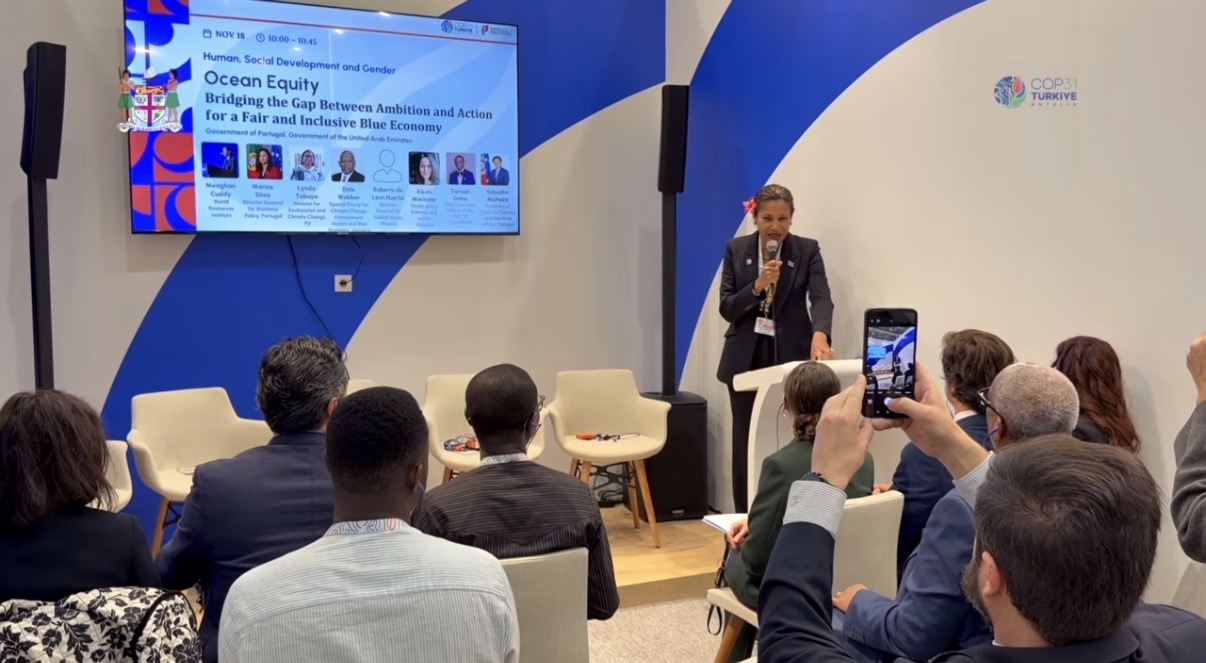
Fiji is calling for greater equity in the growing global ocean economy, warning that coastal communities, small-scale fishers and indigenous people continue to face barriers to accessing marine resources, investment and economic opportunities.
Minister for Environment and Climate Change Lynda Tabuya says while the Pacific’s ocean resources hold significant economic potential, the benefits are not reaching the communities whose livelihoods depend on them.
Speaking at the Portugal Pavilion at COP31, Ms Tabuya highlighted inequalities faced by communities in Fiji, particularly those living on outer islands.
She pointed to her home province of Kadavu, where about 12,000 people continue to live without reliable access to electricity and water services, despite being only a few hours by boat from Viti Levu.
Ms Tabuya says the lack of basic infrastructure also limits opportunities for small-scale fishers to grow their businesses and contribute to the local economy.
“Where do they store their fish when they fish? So, they really just have to use it for subsistence,” she said.
She explained that without cold storage facilities, fishers have limited options to preserve their catch, add value to their products and access larger markets.
The Minister also warned that climate change is placing additional pressure on coastal livelihoods, with marine heatwaves, ocean acidification and coral bleaching threatening fisheries, household nutrition and village economies.
She says ocean health, climate resilience and social equity must be addressed together, stressing that there can be no fair blue economy if marine ecosystems continue to deteriorate.
Fiji’s National Ocean Policy 2020–2030 commits the country to sustainably managing 100 percent of its ocean, with 30 percent designated for full protection by 2030.
Ms Tabuya says local communities must be recognised not simply as beneficiaries of ocean conservation initiatives, but as decision-makers and custodians of marine resources.
She also called for increased access to ocean financing, particularly for small island developing states and frontline communities.
Fiji issued a 20-million-dollar sovereign blue bond in 2023 to support sustainable marine management, eco-sanitation and sustainable agriculture.
Ms Tabuya says the ultimate goal is to ensure ocean financing reaches small-scale fishers and vulnerable villages.
Meanwhile, she has urged countries participating in COP31 to maintain the 1.5 degrees Celsius target in the final negotiation text, warning against attempts to weaken or remove the language.
She also called for the ocean to have a distinct place in COP31 decisions rather than being grouped with mountains, saying the Pacific has spent decades advocating for greater recognition of ocean issues.
Ms Tabuya says the real test of global climate commitments will come after COP31, when countries translate their promises into national budgets, properly resourced marine protected areas and stronger action on climate change.
For Fiji, the issue goes beyond protecting its vast ocean resources. It is also about ensuring that the people who depend on the ocean are not left behind as the blue economy grows.
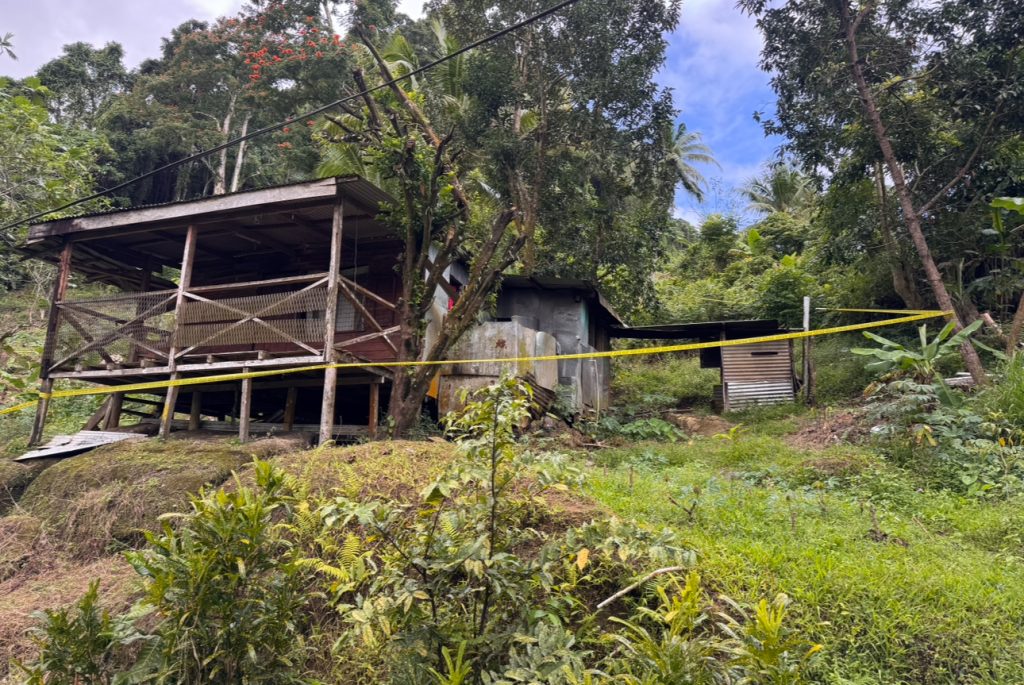
Juvenile Charged Over Tamavua-i-wai Student’s Death
Nov 19, 2026, 01:11 PM

British High Commission acknowledges resilience of drought-affected communities
Nov 19, 2026, 10:03 AM
Rabuka pays tribute to late Assistant Minister Jovesa Vocea
Nov 19, 2026, 08:50 AM
Minister pays tribute to late Assistant Minister Jovesa Vocea
Nov 18, 2026, 06:10 PM

Westpac Invests $225 Million to Expand Lending in Fiji
Nov 18, 2026, 04:52 PM
Juvenile Charged Over Tamavua-i-wai Student’s Death
Nov 19, 2026, 01:11 PM
British High Commission acknowledges resilience of drought-affected communities
Nov 19, 2026, 10:03 AM
Rabuka pays tribute to late Assistant Minister Jovesa Vocea
Nov 19, 2026, 08:50 AM
Minister pays tribute to late Assistant Minister Jovesa Vocea
Nov 18, 2026, 06:10 PM
Westpac Invests $225 Million to Expand Lending in Fiji
Nov 18, 2026, 04:52 PM
 Eparama Warua