In Fiji:

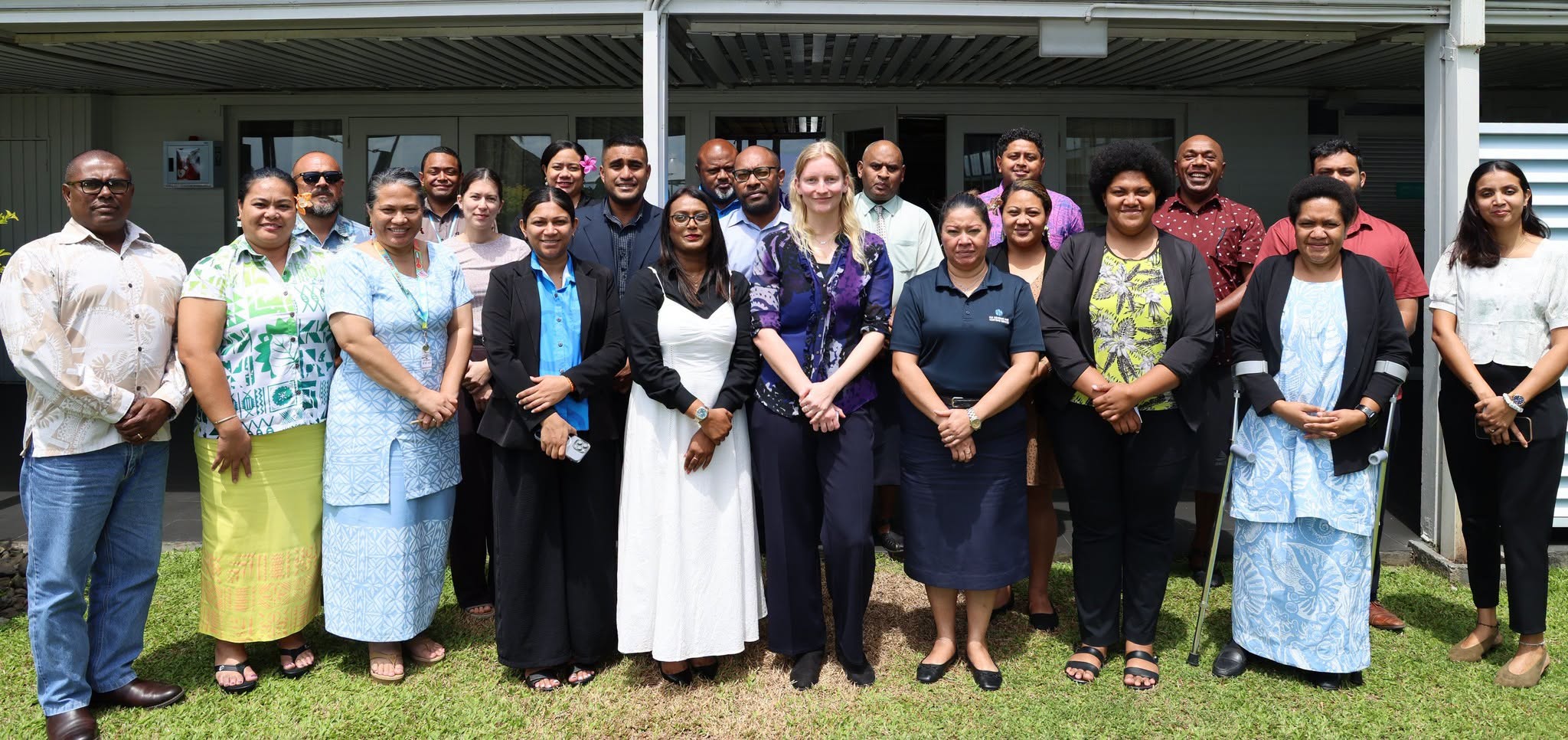
The Ministry of Environment and Climate Change is examining ways to strengthen regulations on problematic and unnecessary plastic products entering Fiji, as the country steps up efforts to tackle plastic pollution.
A stakeholder scoping workshop was held in Suva this week to assess possible measures to reduce the importation and use of plastics that pose risks to human health and the environment.
As a country that relies heavily on imported plastics, Fiji faces challenges in controlling products and packaging manufactured overseas. These materials often contribute to pollution in communities, drainage systems, rivers, coastlines and the marine environment.
The workshop follows a Cabinet directive requiring the Ministry to conduct a comprehensive review of existing plastic bans in Fiji and present recommendations on their possible implications.
The Ministry clarified that the meeting was an initial scoping exercise and not a decision-making process to introduce new bans or approve a final list of prohibited products.
Instead, stakeholders were given an opportunity to examine the work completed so far and provide feedback on a proposed phased approach to controlling problematic plastic imports, alongside stronger domestic regulations.
Technical findings presented by the University of New South Wales (UNSW) Centre for Sustainable Development Reform included a review of 78 regulatory instruments across 35 jurisdictions and an initial list of 41 plastic products for consideration.
Among the products identified for further assessment were plastic straws, plates, cups, cutlery and confetti.
Participants also discussed possible regulatory measures, including import restrictions, product bans, levies, product standards and product stewardship requirements.
The availability, affordability and safety of alternatives were also examined, with concerns raised about biodegradable plastics and opportunities to use natural substitutes.
Other matters discussed included product testing, cost-benefit assessments, exemptions, transition periods and assistance for businesses adopting more sustainable alternatives.
Stakeholders also highlighted the need for stronger enforcement measures and training to ensure any future regulations are properly implemented.
The proposed work builds on Fiji’s existing restrictions on plastic bags and polystyrene products, as well as increased litter enforcement and public awareness programmes in schools and communities.
It also complements ongoing reforms involving Product Stewardship Scheme legislation and Container Deposit Regulations.
The initiative aligns with the National Development Plan 2025–2029 and the National Waste Management and Pollution Control Strategy 2026–2035, which focus on reducing waste, improving resource recovery and strengthening pollution management.
Other efforts underway include the National Plastics Inventory, plastics value chain assessments, the Circular Plastics Roadmap, the Trashboom Programme and pollution monitoring.
Fiji is also preparing for possible legally binding international measures targeting problematic and avoidable plastics under a future global plastics treaty.
The workshop received support from SPREP’s Pacific Ocean Litter Project, UNSW Centre for Sustainable Development Reform and the United Nations Industrial Development Organization (UNIDO), which provided technical expertise and regional experiences.
The Ministry will continue engaging industry and private sector representatives, assess available alternatives and undertake regulatory impact analysis before broader consultations.
It says particular consideration will be given to the affordability and practicality of proposed measures for households, small businesses and maritime communities.
The overall focus is to prevent plastic pollution at its source while protecting public health and the environment and supporting businesses and communities through the transition to sustainable alternatives.

Nabua crash claims life of motorist
Oct 30, 2026, 11:31 AM
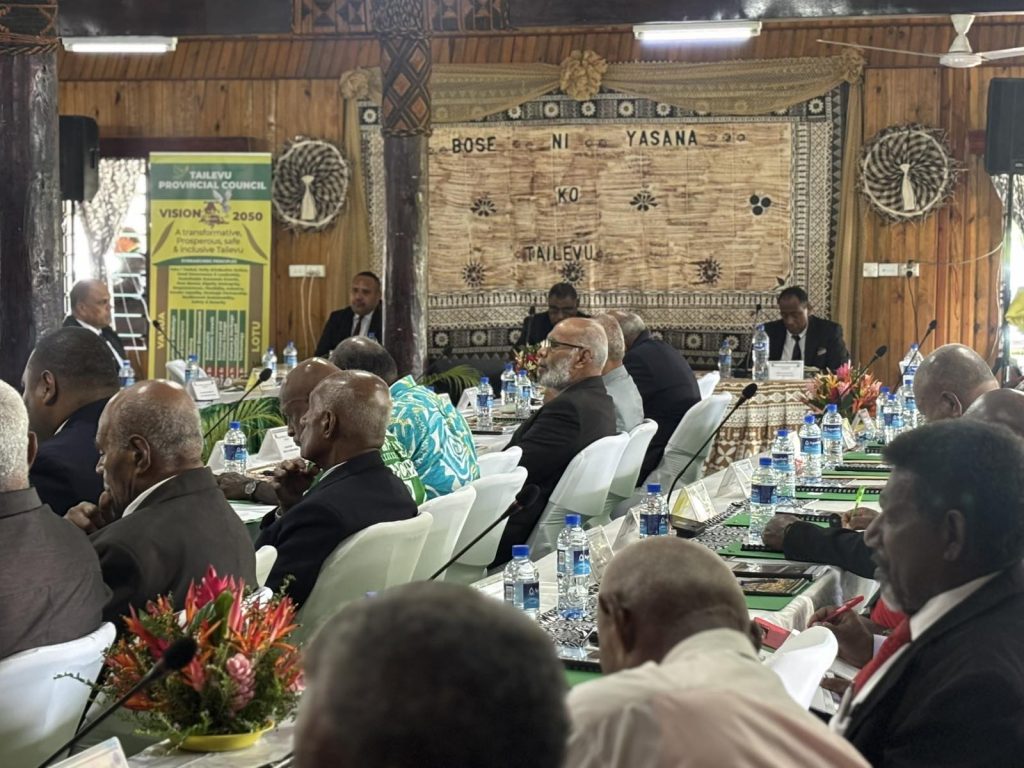
Tailevu Council Targets Economic Growth to Address Poverty and Social...
Oct 30, 2026, 10:57 AM
TSLS faces concerns over 33,070 non-completions
Oct 30, 2026, 10:20 AM
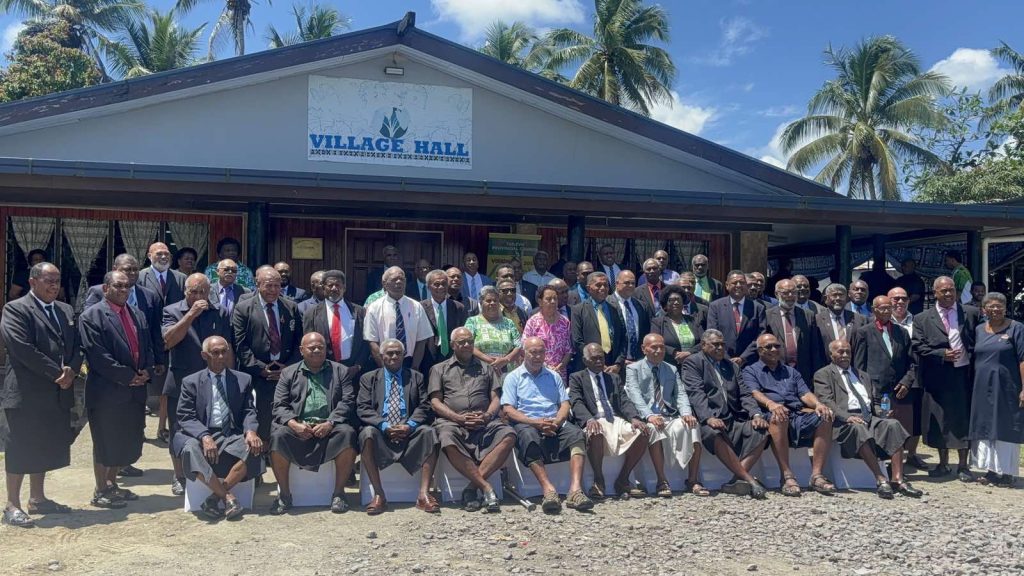
Tailevu City Project to Drive Provincial Development and Create Jobs
Oct 30, 2026, 10:00 AM
Pacific Partners Strengthen Collaboration on Climate Action
Oct 30, 2026, 09:50 AM
Nabua crash claims life of motorist
Oct 30, 2026, 11:31 AM
Tailevu Council Targets Economic Growth to Address Poverty and Social...
Oct 30, 2026, 10:57 AM
TSLS faces concerns over 33,070 non-completions
Oct 30, 2026, 10:20 AM
Tailevu City Project to Drive Provincial Development and Create Jobs
Oct 30, 2026, 10:00 AM
Pacific Partners Strengthen Collaboration on Climate Action
Oct 30, 2026, 09:50 AM
 Fiji One News Team