In Fiji:

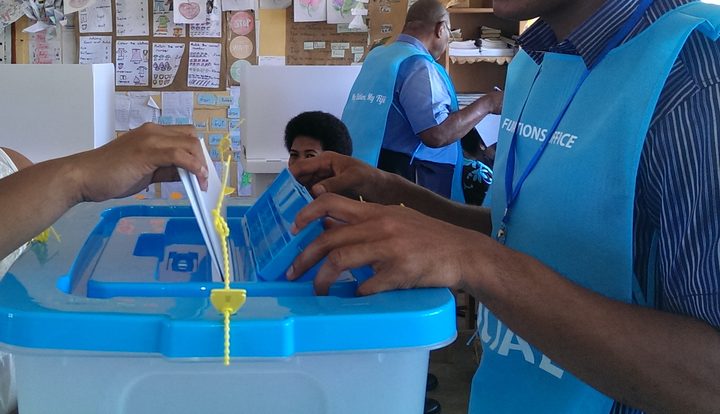
Fiji voters will not necessarily see a shift to centralised vote counting under the country’s amended electoral laws, as the Electoral Commission retains the final authority to decide where ballots are counted.
Minister for Justice and Minister Responsible for Elections, Filimoni Vosarogo, has clarified that the Electoral (Amendment) (No. 2) Act 2026 does not make centralised counting compulsory, following concerns raised by civil society organisations about the proposed changes.
Speaking on the issue, Mr Vosarogo said the amendment introduces flexibility into the electoral process rather than removing the existing option of counting votes at individual polling stations.
He explained that the newly inserted Section 89A of the Electoral Act 2014 gives the Electoral Commission the power to approve one or more designated counting centres and establish procedures for their operation, depending on the needs and logistical circumstances of an election.
This means ballot boxes will not automatically have to be transported to a central counting location, with the Commission remaining responsible for selecting the most suitable arrangement.
Mr Vosarogo said the effectiveness of any counting system should be measured by the safeguards in place to protect ballot papers, rather than simply the location where votes are tallied.
He acknowledged public concerns about the transportation, security and custody of uncounted ballot papers, saying these issues must be properly managed to protect the credibility of election results.
Under a centralised system, strict procedures would need to cover the sealing of ballot boxes after polling closes, their transportation, receipt, verification, storage and eventual counting.
The Minister also maintained that political parties, candidate representatives, accredited observers and the media must retain meaningful access to monitor and scrutinise the process.
He noted that centralised counting could offer operational benefits, including stronger supervision, more consistent counting procedures, improved allocation of resources and better quality control.
Mr Vosarogo said the arrangement could also make it easier for observers and political representatives to monitor consistency across approximately 700,000 votes cast nationwide, rather than having to scrutinise around 650 votes at each individual polling station.
However, he cautioned that these potential benefits did not mean centralised counting would be the best option in every election.
He further emphasised that the Electoral Commission remains an independent and non-partisan constitutional institution, established under Section 75 of the 2013 Constitution to oversee free and fair elections.
While Government is responsible for providing the legislative framework for election administration, the Commission has the independence to decide how its powers are implemented without government interference or direction.
The amendment therefore gives the Commission greater flexibility in determining counting arrangements while maintaining the need for transparency, accountability and independent oversight.
For voters, the Minister’s clarification means that polling-station counting remains an available option, and any move towards centralised counting will depend on the Electoral Commission’s independent decision.
Ultimately, regardless of where ballots are counted, every vote must be secured, accounted for and accurately tallied, with the process open to public scrutiny to maintain confidence in Fiji’s elections.

2027 Public Holidays gazetted
Nov 12, 2026, 11:10 AM

Veteran Questions Treatment of Former Servicemen At Remembrance Day Commemoration
Nov 11, 2026, 07:00 PM
Sisters Honour Late Father's Legacy On Remembrance Day
Nov 11, 2026, 06:44 PM
Agriculture Ministry launches six El Niño assistance packages
Nov 11, 2026, 05:56 PM
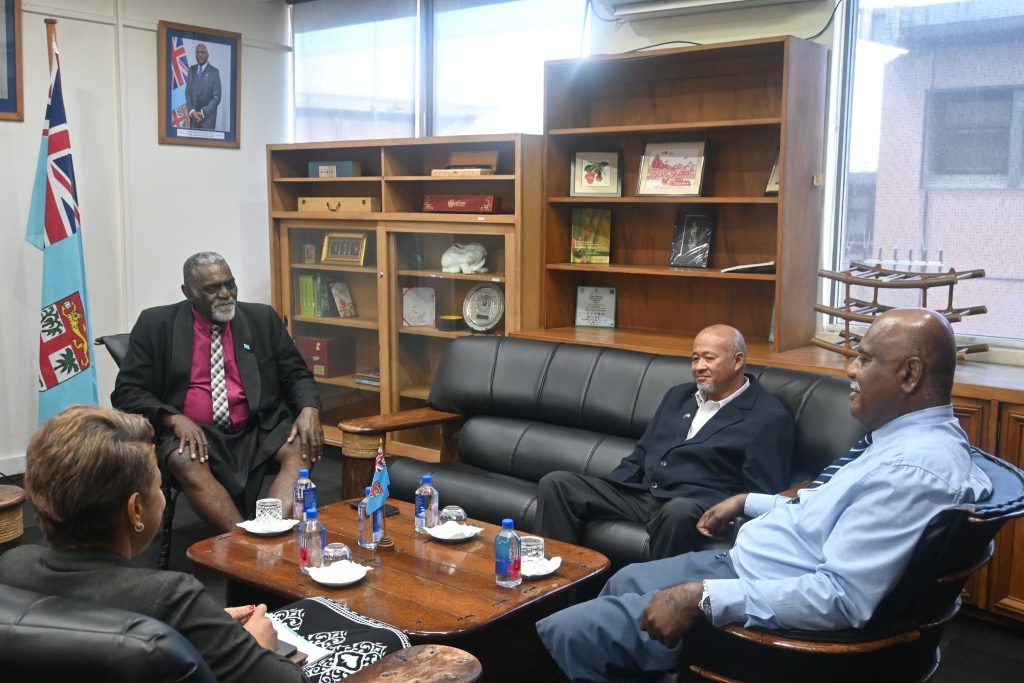
Sakiusa Tubuna welcomed as new Assistant Minister
Nov 11, 2026, 05:33 PM
2027 Public Holidays gazetted
Nov 12, 2026, 11:10 AM
Veteran Questions Treatment of Former Servicemen At Remembrance Day Commemoration
Nov 11, 2026, 07:00 PM
Sisters Honour Late Father's Legacy On Remembrance Day
Nov 11, 2026, 06:44 PM
Agriculture Ministry launches six El Niño assistance packages
Nov 11, 2026, 05:56 PM
Sakiusa Tubuna welcomed as new Assistant Minister
Nov 11, 2026, 05:33 PM
 Fiji One News Team