In Fiji:

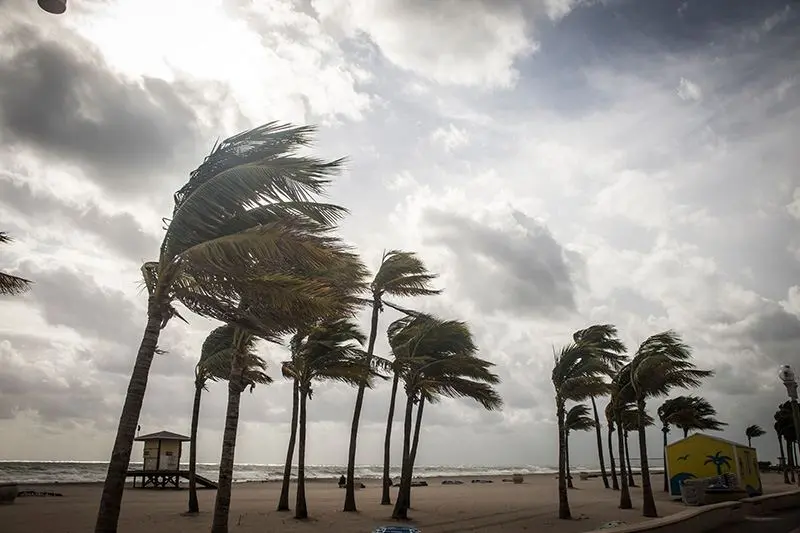
Fijians are being urged to prepare early for the 2026–2027 tropical cyclone season, with authorities warning that two to three tropical cyclones are likely to pass through Fiji’s Exclusive Economic Zone over the next six months.
Permanent Secretary for Rural and Maritime Development and Disaster Risk Management, Mitieli Cama, says preparedness must begin now and not when a cyclone warning is issued.
In his message marking the start of the cyclone season, Cama said the Fiji Meteorological Service’s seasonal outlook indicated that one to two of the systems could potentially reach severe Category Three to Category Five intensity.
The outlook also highlights the influence of a strong La Niña event, which is expected to peak between November and December 2026 and could influence tropical cyclone activity and movement across the region.
Cama said the forecast served as an important reminder that the cyclone season should not be taken lightly.
He urged households, communities, businesses and organisations to review their disaster preparedness plans and take practical steps to minimise risks.
These include securing homes, tying down or safely storing loose materials around properties and checking emergency supplies such as food, drinking water, essential medicines, torches and batteries.
Families are also encouraged to identify their nearest evacuation centre, familiarise themselves with the safest routes and discuss emergency arrangements, particularly for children, older persons and people living with disabilities.
Cama stressed the importance of staying informed by following official weather warnings and public advisories issued by the Fiji Meteorological Service and the National Disaster Risk Management Office.
He also raised concerns about the dry conditions and water shortages currently affecting some communities, urging Fijians to conserve water, store it safely and avoid unnecessary wastage.
Communities relying on rainwater harvesting and other limited water sources have been encouraged to manage their available supplies carefully and keep drinking water in clean, covered containers.
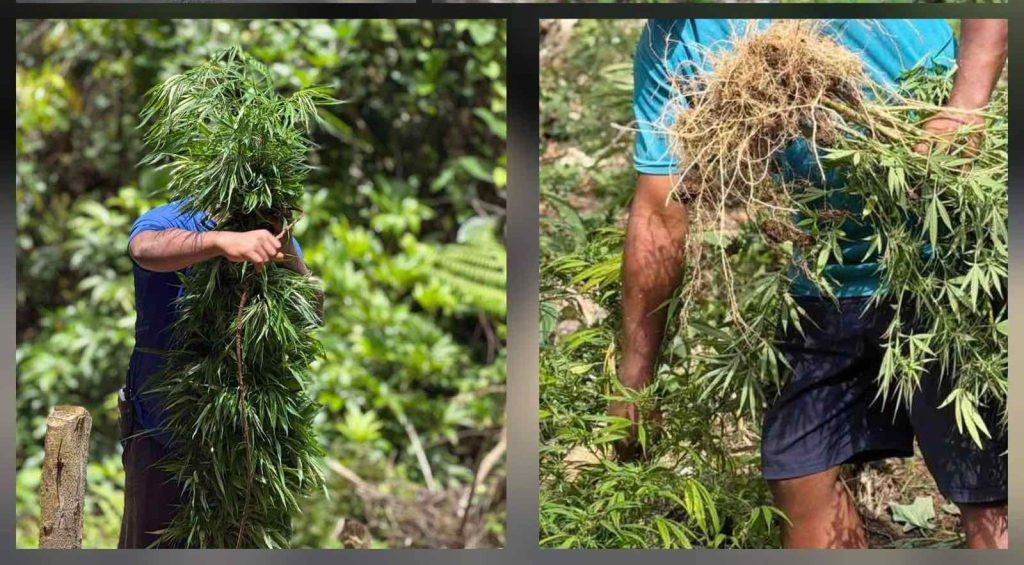
More Than 8,000 Suspected Marijuana Plants Uprooted in Northern Division
Nov 06, 2026, 05:57 PM
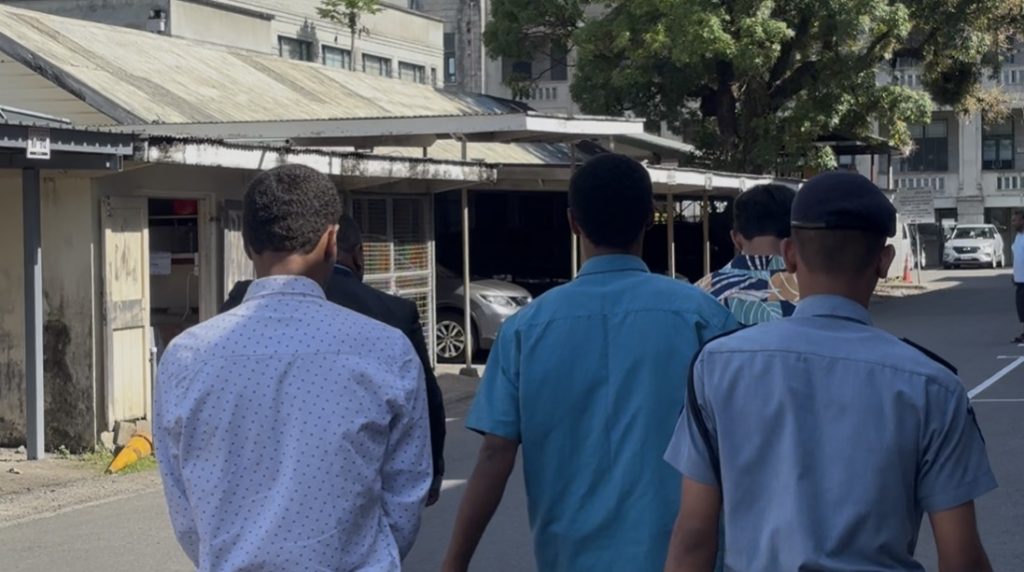
Three Remanded Over Alleged Murder and Aggravated Robbery in Suva
Nov 06, 2026, 05:50 PM

Junior Bula Boys Embrace Underdog Status Ahead of FIFA U-17...
Nov 06, 2026, 04:00 PM

ZEG Boxing Promotion Opens Doors for Fijian Fighters to International...
Nov 06, 2026, 03:48 PM
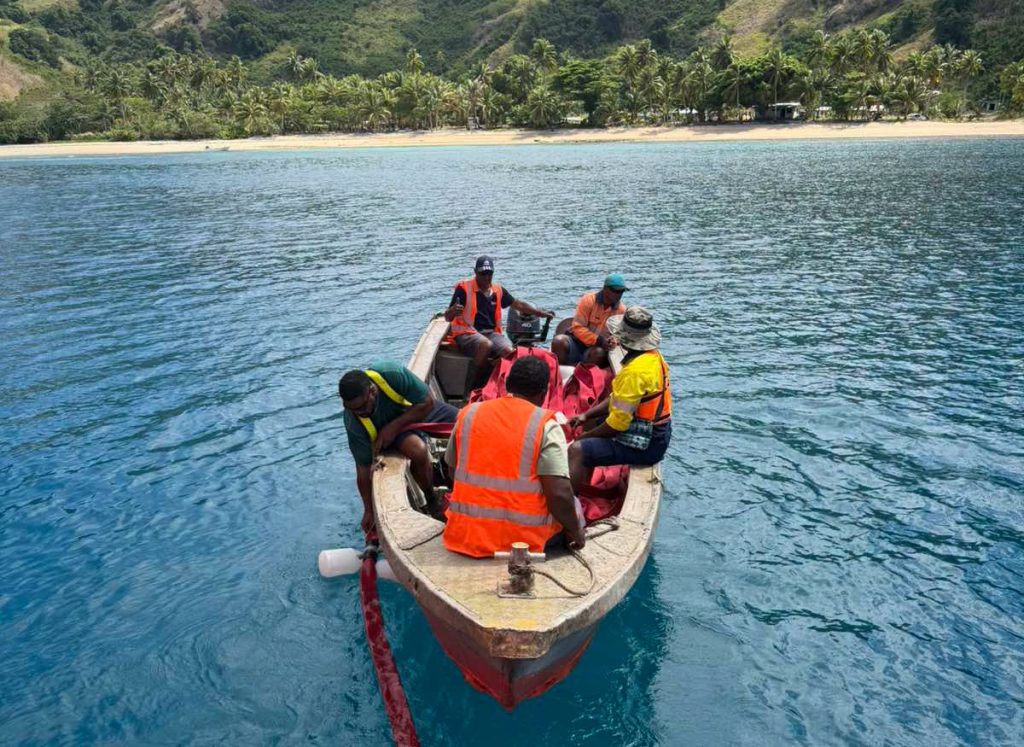
Rabuka Outlines Government's Response To El Niño Drought
Nov 06, 2026, 03:44 PM
More Than 8,000 Suspected Marijuana Plants Uprooted in Northern Division
Nov 06, 2026, 05:57 PM
Three Remanded Over Alleged Murder and Aggravated Robbery in Suva
Nov 06, 2026, 05:50 PM
Junior Bula Boys Embrace Underdog Status Ahead of FIFA U-17...
Nov 06, 2026, 04:00 PM
ZEG Boxing Promotion Opens Doors for Fijian Fighters to International...
Nov 06, 2026, 03:48 PM
Rabuka Outlines Government's Response To El Niño Drought
Nov 06, 2026, 03:44 PM
 Mereoni Mili