In Fiji:

Government has allocated $20 million towards the national response to prolonged dry conditions, following Prime Minister Sitiveni Rabuka’s announcement of a national state of disaster.
The funding, which will be redeployed from existing allocations within government ministries, will support emergency water supplies, affected communities, farmers and livestock owners, as the country continues to experience the impacts of El Niño.
Prime Minister Rabuka says the immediate priority is to ensure communities have access to safe drinking water, while strengthening emergency water carting and essential relief operations.
The response will also focus on protecting public health, sanitation and hygiene, assessing urgent needs and supporting livelihoods affected by the prolonged dry spell.
The agricultural sector is among the key areas targeted, with the Government rolling out six initiatives to assist farmers.
These include emergency water and irrigation support, livestock feed, climate-resilient planting materials and seeds, drought protection for the sugar sector, household and community food security, and sustainable agricultural practices.
Meanwhile, the Ministry of Women, Children and Social Protection has increased the monthly e-transport top-up under the Transport Assistance Scheme to help eligible beneficiaries manage rising transport costs.
The increase applies to older persons holding purple e-transport cards and persons with disabilities holding green e-transport cards.
Rabuka says the national response will be coordinated across government ministries, departments, statutory authorities and divisional administrations, with particular attention given to remote and maritime communities and people facing difficulties accessing essential services.
He is also urging households, businesses and communities to conserve water, repair leaking taps and ensure stored water is kept clean and covered.
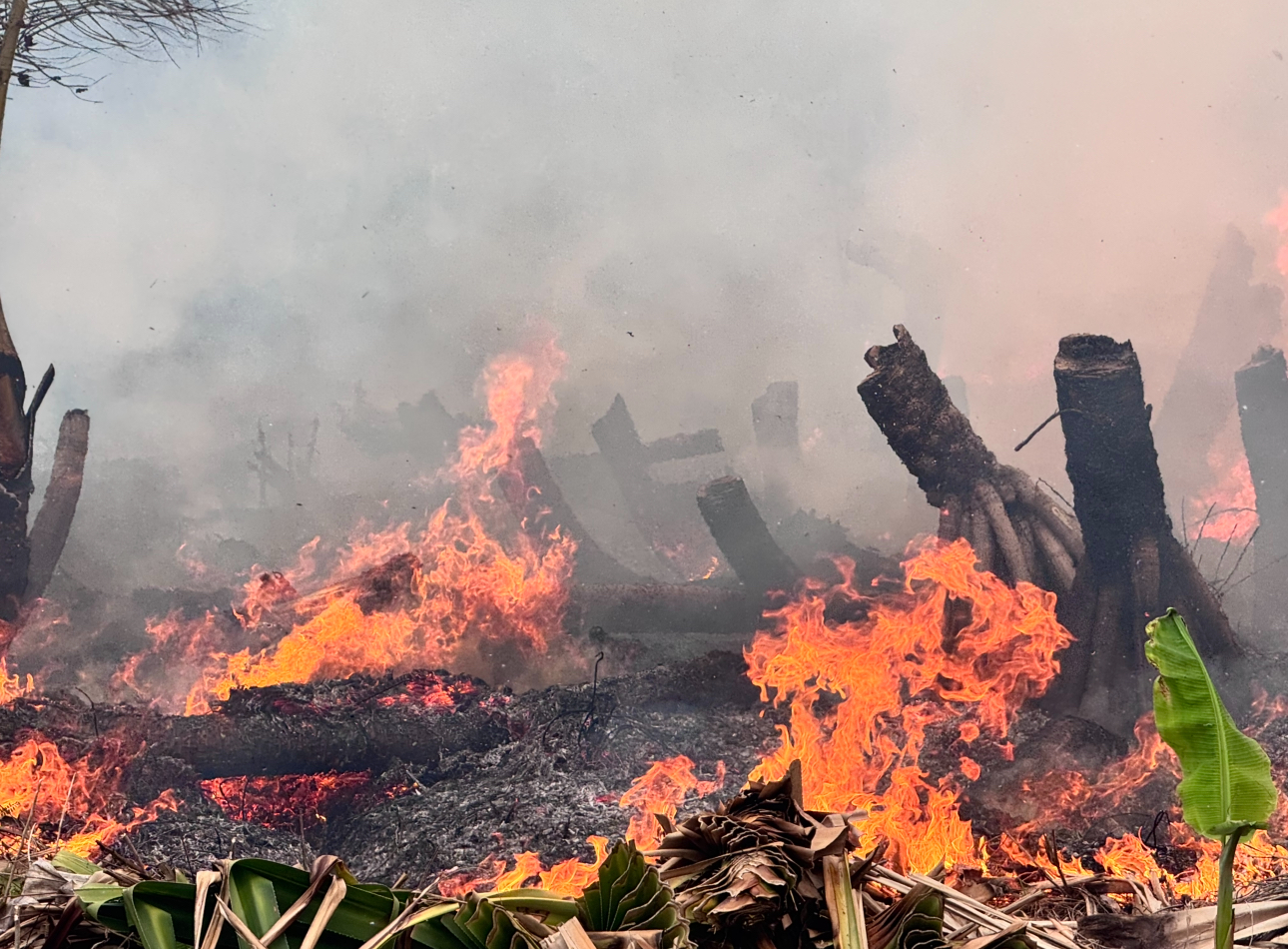
The Prime Minister has further warned against unnecessary burning, saying fires can spread quickly under the current dry conditions and threaten homes, farms and communities.
Community leaders have been urged to report emerging water shortages and other urgent needs through established channels to help authorities assess and prioritise assistance.
The Government will also work with development partners, humanitarian organisations, the private sector and faith-based organisations to strengthen the response.
Rabuka says assistance will continue to be directed according to assessed needs, with the Government monitoring conditions and adjusting its response as the situation evolves.

Fiji's Rising Netball Talent Set for PACIFICAUS Challenge
Nov 18, 2026, 11:57 AM

Consumer Council welcomes Food Safety Law Review
Nov 18, 2026, 11:21 AM
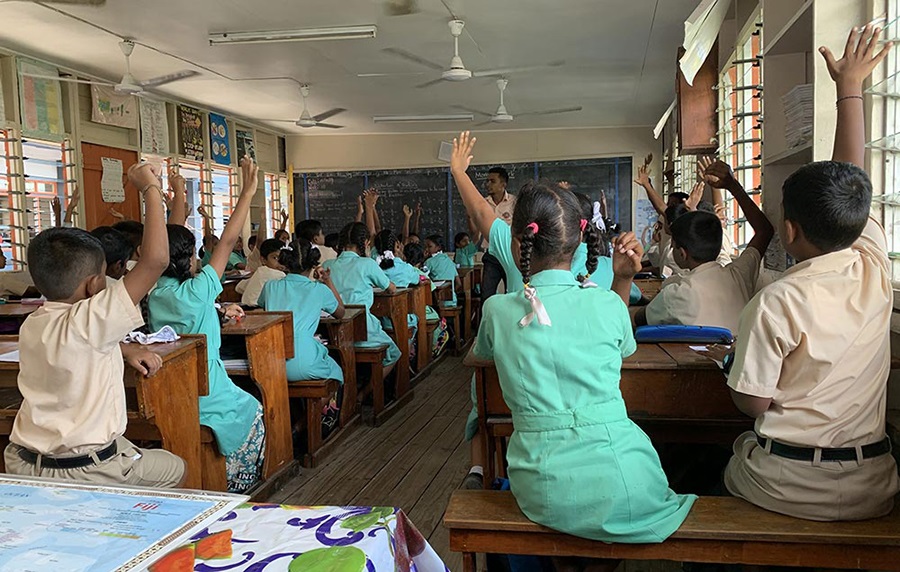
2027 school term dates announced
Nov 18, 2026, 11:12 AM

Crown Plaza Wedding Expo Attracts 65 Attendees
Nov 18, 2026, 10:59 AM
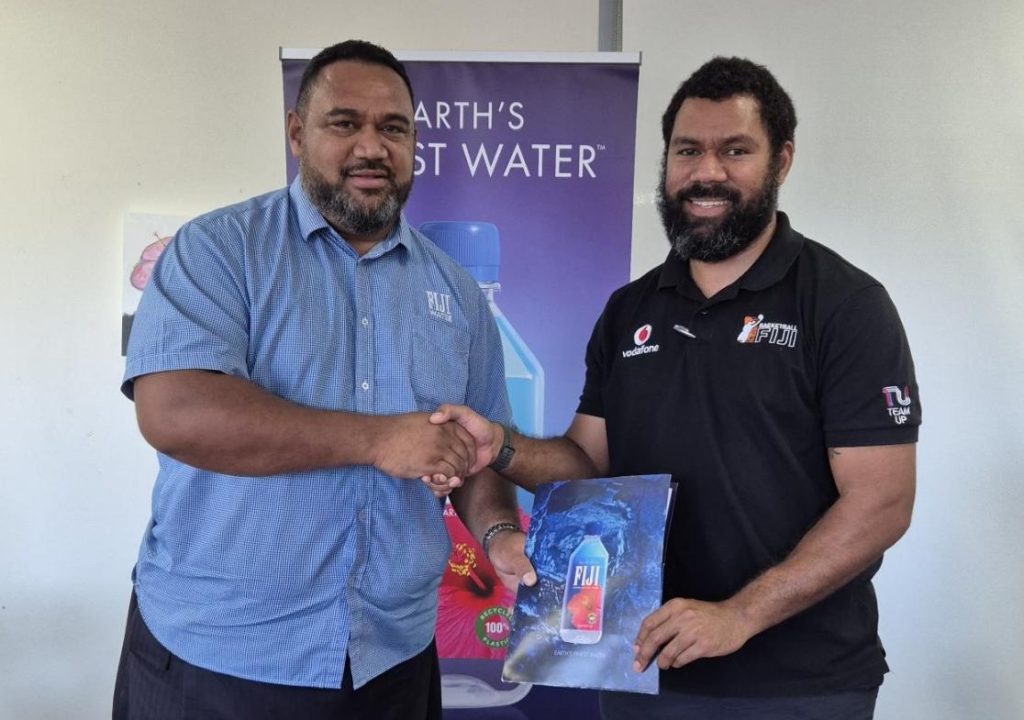
Fiji Water Boosts National Basketball Team Ahead of Mongolia Campaign
Nov 18, 2026, 10:37 AM
Fiji's Rising Netball Talent Set for PACIFICAUS Challenge
Nov 18, 2026, 11:57 AM
Consumer Council welcomes Food Safety Law Review
Nov 18, 2026, 11:21 AM
2027 school term dates announced
Nov 18, 2026, 11:12 AM
Crown Plaza Wedding Expo Attracts 65 Attendees
Nov 18, 2026, 10:59 AM
Fiji Water Boosts National Basketball Team Ahead of Mongolia Campaign
Nov 18, 2026, 10:37 AM
 Eparama Warua