In Fiji:

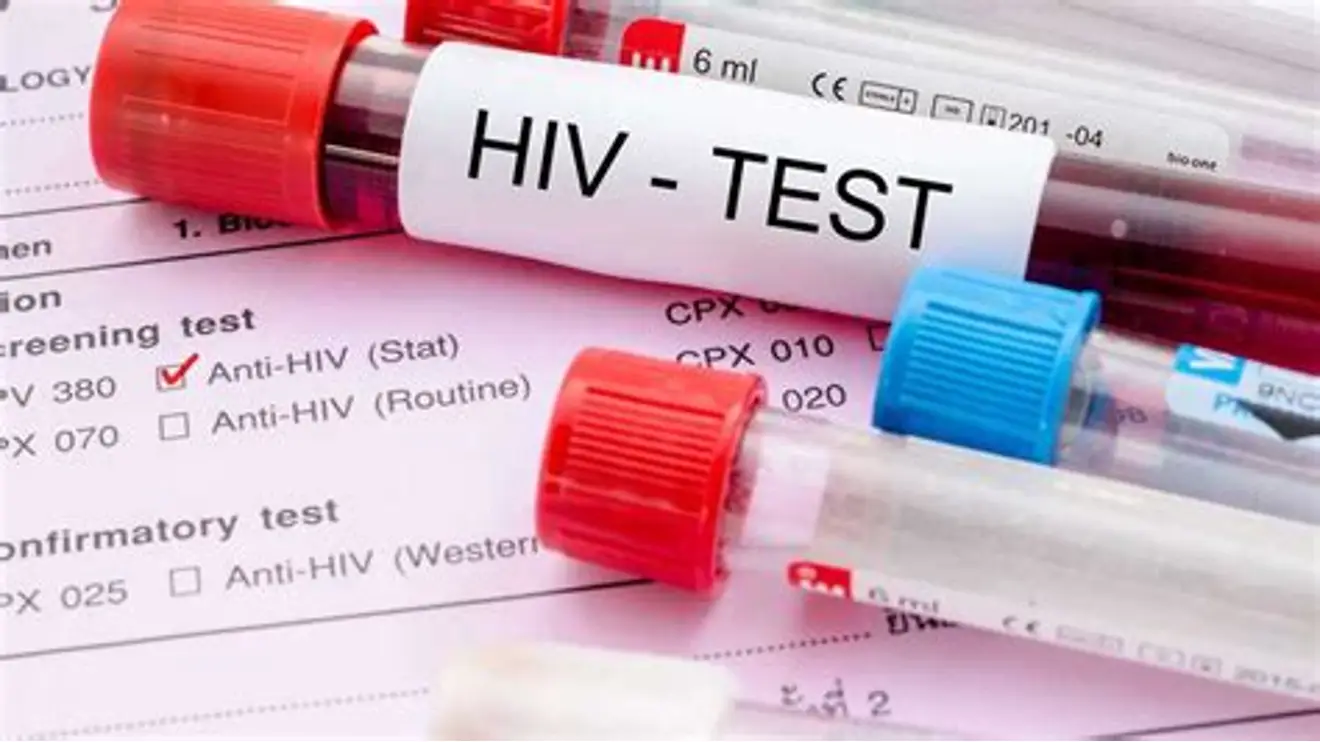
Eighteen cases of HIV were recorded at a single correctional facility in Fiji among 42 prisoners admitted between April and May this year, raising concerns over HIV prevention, prisoner rehabilitation and the need to review existing remand policies.
Revealing the figures in Parliament, former Fiji Corrections Service health professional Mareca Baba said all 18 cases were recorded among the 36 prisoners who had spent less than a year in prison.
Baba called for a review of the remand policy, suggesting that low-risk offenders serving short sentences should be considered for treatment and rehabilitation centres instead of correctional facilities.
She said greater investment was needed in prisoner rehabilitation to ensure those leaving prison could reintegrate into society without facing stigma associated with HIV or incarceration.
Baba stressed that prisoners would eventually return to their communities and should be supported to rebuild their lives with dignity and access to appropriate healthcare.
Meanwhile, Women’s Practice in Parliament participant Adi Titilia Lalabalavu says HIV must be discussed more openly within homes and communities.
She called for conversations about HIV to take place during village meetings and yaqona sessions, rather than allowing the issue to remain a taboo subject.
Lalabalavu said open discussions were important in raising awareness, challenging misconceptions and reducing the stigma surrounding HIV.
Another Women’s Practice in Parliament participant, Varanisese Mataturaga, emphasised the need to provide young people affected by HIV with safe and supportive spaces where they could seek assistance and discuss their experiences without fear of discrimination.
The concerns raised highlight the need for a broader response to HIV in Fiji, combining access to healthcare with effective rehabilitation, community awareness and support for vulnerable groups.
The speakers stressed that reducing stigma and ensuring access to care are essential to protecting people living with HIV and helping them participate fully in society with dignity and support.
By: Litia Rabua
Last-Gasp Nadroga Tries Seal Thrilling Win Over Tailevu
Oct 24, 2026, 06:38 PM

November referee line-up confirmed for Nations Championship
Oct 23, 2026, 04:08 PM
Kamikamica defends proposed Constitution changes, says Bill aims to unite...
Oct 23, 2026, 02:55 PM
Kamikamica says Fiji can benefit from Israel’s cybersecurity expertise
Oct 23, 2026, 02:53 PM
Merchant Finance Strengthens Board with Appointment of Emily King
Oct 23, 2026, 02:48 PM
Last-Gasp Nadroga Tries Seal Thrilling Win Over Tailevu
Oct 24, 2026, 06:38 PM
November referee line-up confirmed for Nations Championship
Oct 23, 2026, 04:08 PM
Kamikamica defends proposed Constitution changes, says Bill aims to unite...
Oct 23, 2026, 02:55 PM
Kamikamica says Fiji can benefit from Israel’s cybersecurity expertise
Oct 23, 2026, 02:53 PM
Merchant Finance Strengthens Board with Appointment of Emily King
Oct 23, 2026, 02:48 PM
 Fiji One News Team