In Fiji:


One in three children aged 10 to 14 years in Fiji are overweight or obese, according to 2022 Ministry of Health data, highlighting growing concerns over childhood nutrition and the food environments children are exposed to.
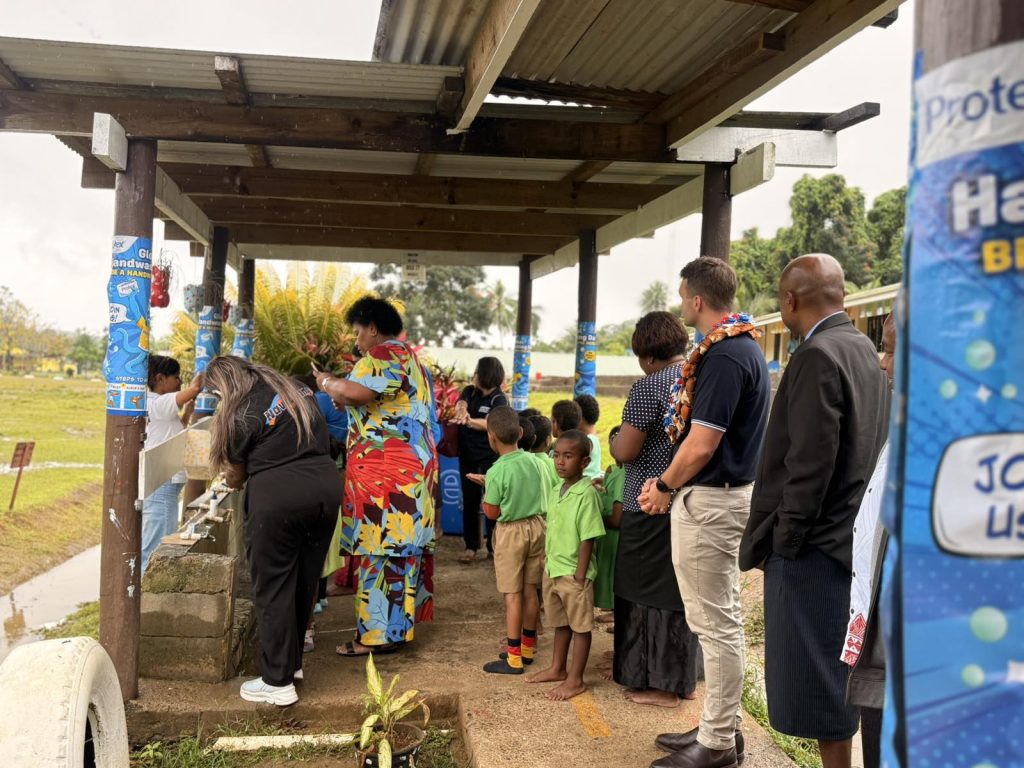
The statistic was highlighted during the launch of the Home-Grown School Meals Policy Brief at the Suva Civic Centre, as Fiji looks at ways to improve access to healthier and more nutritious food for children in schools.
Minister for Health and Medical Services Dr Atonio Lalabalavu officially launched the Policy Brief during the policy dialogue, “Putting Children First: Building Healthier Food Environments through Home-Grown School Meals.”
The initiative aims to make healthier food more accessible and affordable for children while strengthening connections between schools, local farmers, communities and Fiji’s food system.
Dr Lalabalavu says improving school food is not only about what is placed on a child’s plate, but also about creating an environment that makes healthy choices easier.
He says schools are important because children spend a significant part of their day there, developing habits that can influence their health beyond their school years.
The Minister says increasing the use of nutritious, locally produced foods in schools could improve children’s diets while creating more predictable demand for local farmers.
This could provide opportunities for farmers, strengthen local supply chains and support Fiji’s wider food system.
Consumer Council of Fiji Chief Executive Officer Seema Shandil said children should also be recognised as consumers because their food choices are influenced by what is available, affordable and promoted around them.
She said children cannot simply be told to eat healthy if nutritious food is unavailable, unaffordable or unappealing.
“Children are consumers too,” Shandil said.
Shandil says schools have an important role in shaping children’s eating habits because they are environments where behaviours are reinforced and lifelong habits can begin.
She says nutritious school meals can also support education, as children who do not have access to adequate and nutritious food may find it harder to concentrate, participate and fully engage in learning.
The Minister says “home-grown” does not simply mean food grown in Fiji, but creating stronger links between schools, farmers, communities and the local food system.
The policy has been developed through collaboration between the Ministry of Health and Medical Services, Ministry of Education, Ministry of Agriculture and Waterways, Consumer Council of Fiji, World Vegetable Center and Dikoda.
Dr Lalabalavu says the Policy Brief is a starting point for action and that continued collaboration between government, schools, communities, farmers and other stakeholders will be needed to make the approach sustainable.
The initiative ultimately aims to give Fiji’s children greater access to nutritious food while supporting healthier eating habits, local farmers and a more resilient food system.
By Vasiti Vose

Gokals Launches Fujitsu Air Conditioning, Focusing on Customer Needs and...
Oct 20, 2026, 04:50 PM

SPX Opens Entries for 2026 Corporate Excellence Awards
Oct 20, 2026, 03:08 PM

Woolworths partners Rugby World Cups in Australia
Oct 20, 2026, 02:47 PM

At 71 Karl Smith Continues to Thrive in Farming
Oct 20, 2026, 02:44 PM

RFMF Women Secure Defence Pacific Cup Series
Oct 20, 2026, 02:31 PM
Gokals Launches Fujitsu Air Conditioning, Focusing on Customer Needs and...
Oct 20, 2026, 04:50 PM
SPX Opens Entries for 2026 Corporate Excellence Awards
Oct 20, 2026, 03:08 PM
Woolworths partners Rugby World Cups in Australia
Oct 20, 2026, 02:47 PM
At 71 Karl Smith Continues to Thrive in Farming
Oct 20, 2026, 02:44 PM
RFMF Women Secure Defence Pacific Cup Series
Oct 20, 2026, 02:31 PM
 Fiji One News Team