In Fiji:

The Ministry of Health and Medical Services has advised that all kava imported into Fiji must meet new mandatory import clearance requirements, effective immediately.
The directive, issued through the Central Board of Health, applies to commercial importers, border agents, traditional traders and members of the public bringing kava into the country.
Under the new requirements, all imported kava must have an approved import permit before arriving at Fiji’s ports of entry. Importers must also provide traceability documents, commercial invoices and declarations confirming the product’s country of origin.
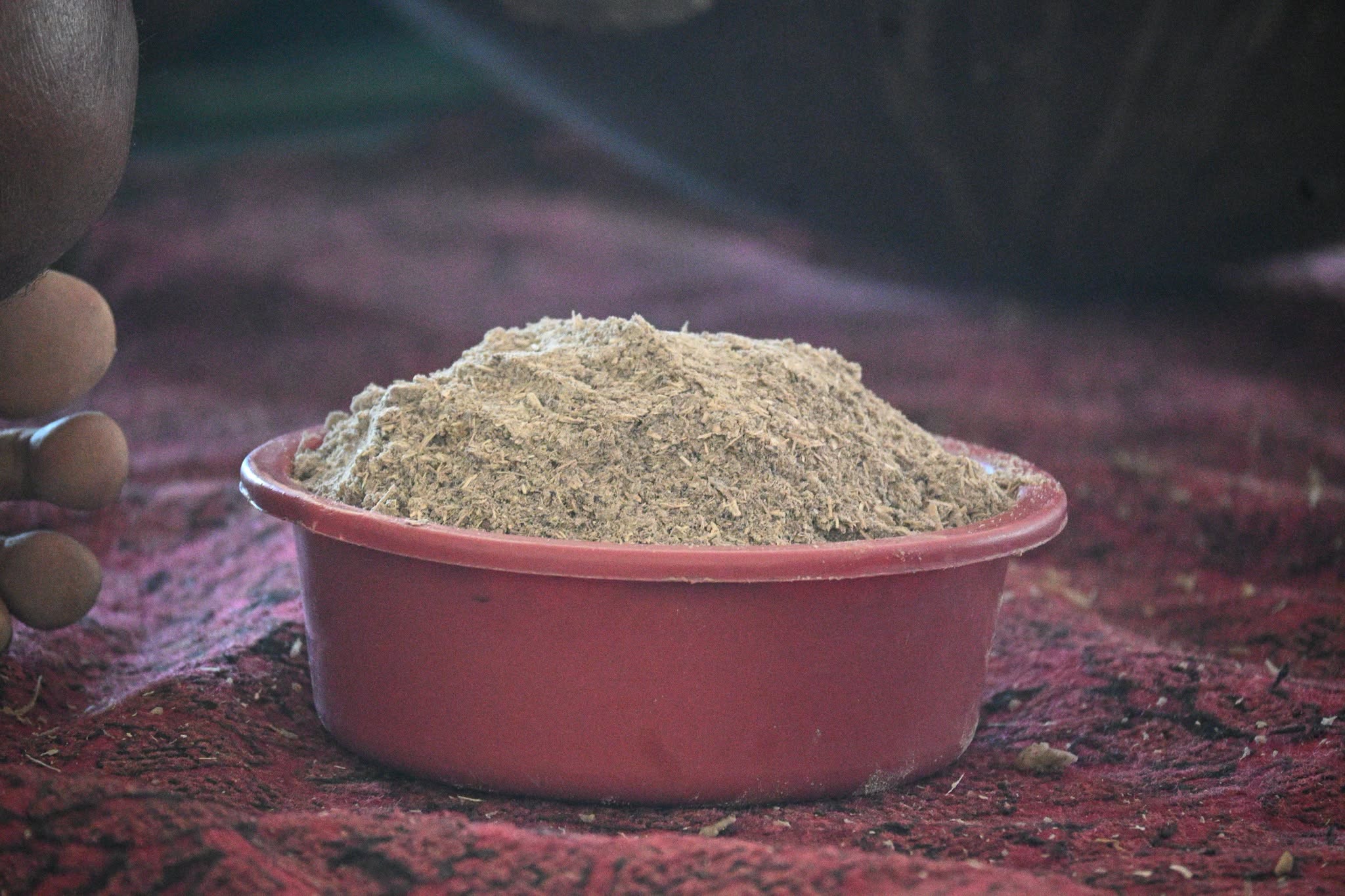
Kava consignments, including raw roots, chips, pieces and processed powder, will also be subject to chemotype and microbiological testing to verify their safety and quality for human consumption.
The Ministry says the measures are being introduced to reduce the risk of contaminated, adulterated or poor-quality kava entering the local market, while ensuring compliance with the Food Safety Act 2003, Food Safety Regulations 2009 and Fiji Kava Standard 2017.
Shipments that fail to meet the required documentation or testing standards may be detained, seized or destroyed at the importer’s expense.
The Ministry is urging importers, wholesalers and border logistics operators to work with environmental health officers to ensure compliance with the new requirements.The Ministry of Health and Medical Services has advised that all kava imported into Fiji must meet new mandatory import clearance requirements, effective immediately.
The directive, issued through the Central Board of Health, applies to commercial importers, border agents, traditional traders and members of the public bringing kava into the country.
Under the new requirements, all imported kava must have an approved import permit before arriving at Fiji’s ports of entry. Importers must also provide traceability documents, commercial invoices and declarations confirming the product’s country of origin.
Kava consignments, including raw roots, chips, pieces and processed powder, will also be subject to chemotype and microbiological testing to verify their safety and quality for human consumption.
The Ministry says the measures are being introduced to reduce the risk of contaminated, adulterated or poor-quality kava entering the local market, while ensuring compliance with the Food Safety Act 2003, Food Safety Regulations 2009 and Fiji Kava Standard 2017.
Shipments that fail to meet the required documentation or testing standards may be detained, seized or destroyed at the importer’s expense.
The Ministry is urging importers, wholesalers and border logistics operators to work with environmental health officers to ensure compliance with the new requirements.
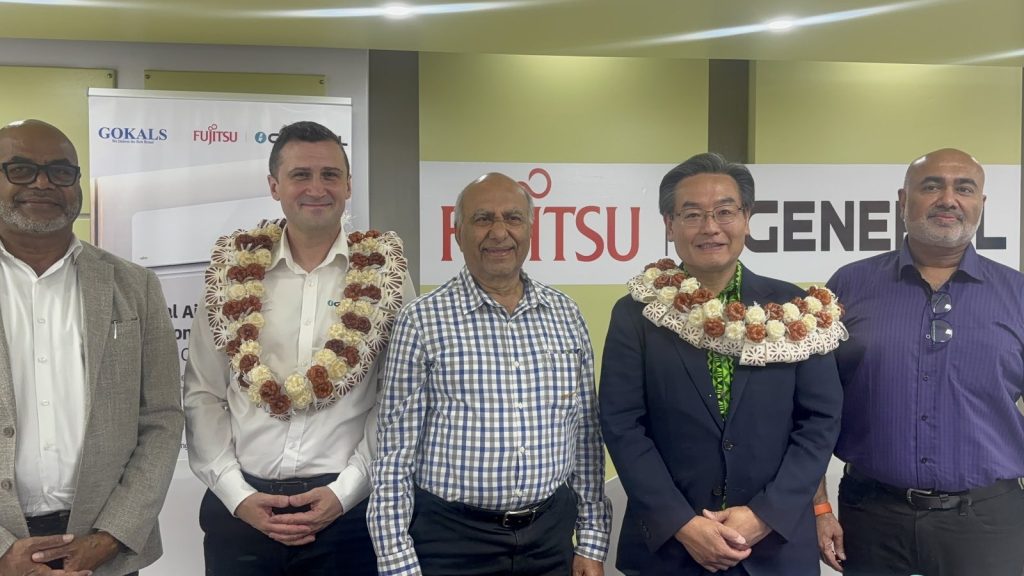
Gokals Launches Fujitsu Air Conditioning, Focusing on Customer Needs and...
Oct 20, 2026, 04:50 PM
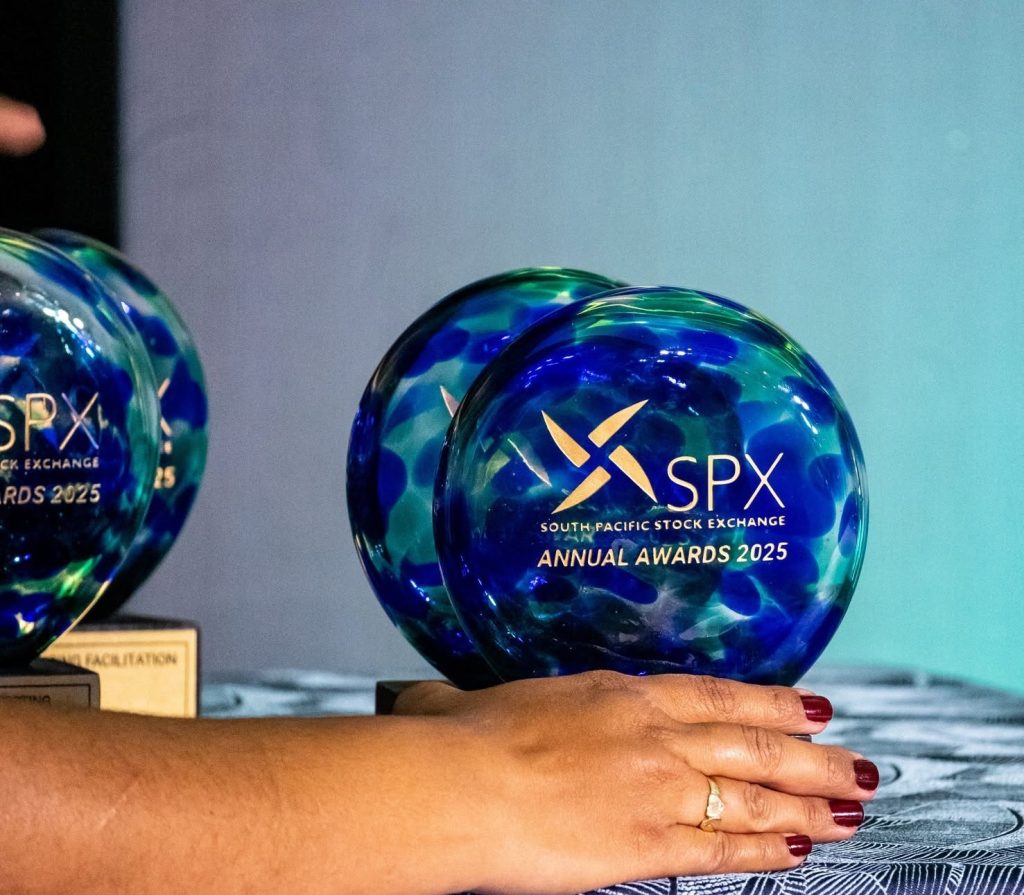
SPX Opens Entries for 2026 Corporate Excellence Awards
Oct 20, 2026, 03:08 PM

Woolworths partners Rugby World Cups in Australia
Oct 20, 2026, 02:47 PM
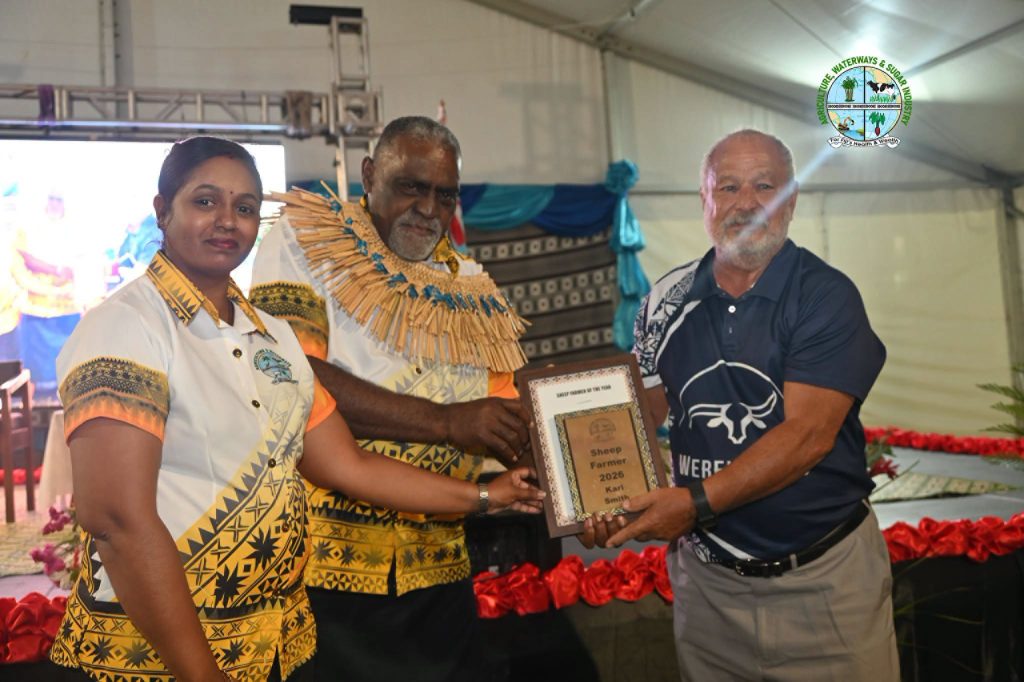
At 71 Karl Smith Continues to Thrive in Farming
Oct 20, 2026, 02:44 PM

RFMF Women Secure Defence Pacific Cup Series
Oct 20, 2026, 02:31 PM
Gokals Launches Fujitsu Air Conditioning, Focusing on Customer Needs and...
Oct 20, 2026, 04:50 PM
SPX Opens Entries for 2026 Corporate Excellence Awards
Oct 20, 2026, 03:08 PM
Woolworths partners Rugby World Cups in Australia
Oct 20, 2026, 02:47 PM
At 71 Karl Smith Continues to Thrive in Farming
Oct 20, 2026, 02:44 PM
RFMF Women Secure Defence Pacific Cup Series
Oct 20, 2026, 02:31 PM
 Fiji One News Team