In Fiji:

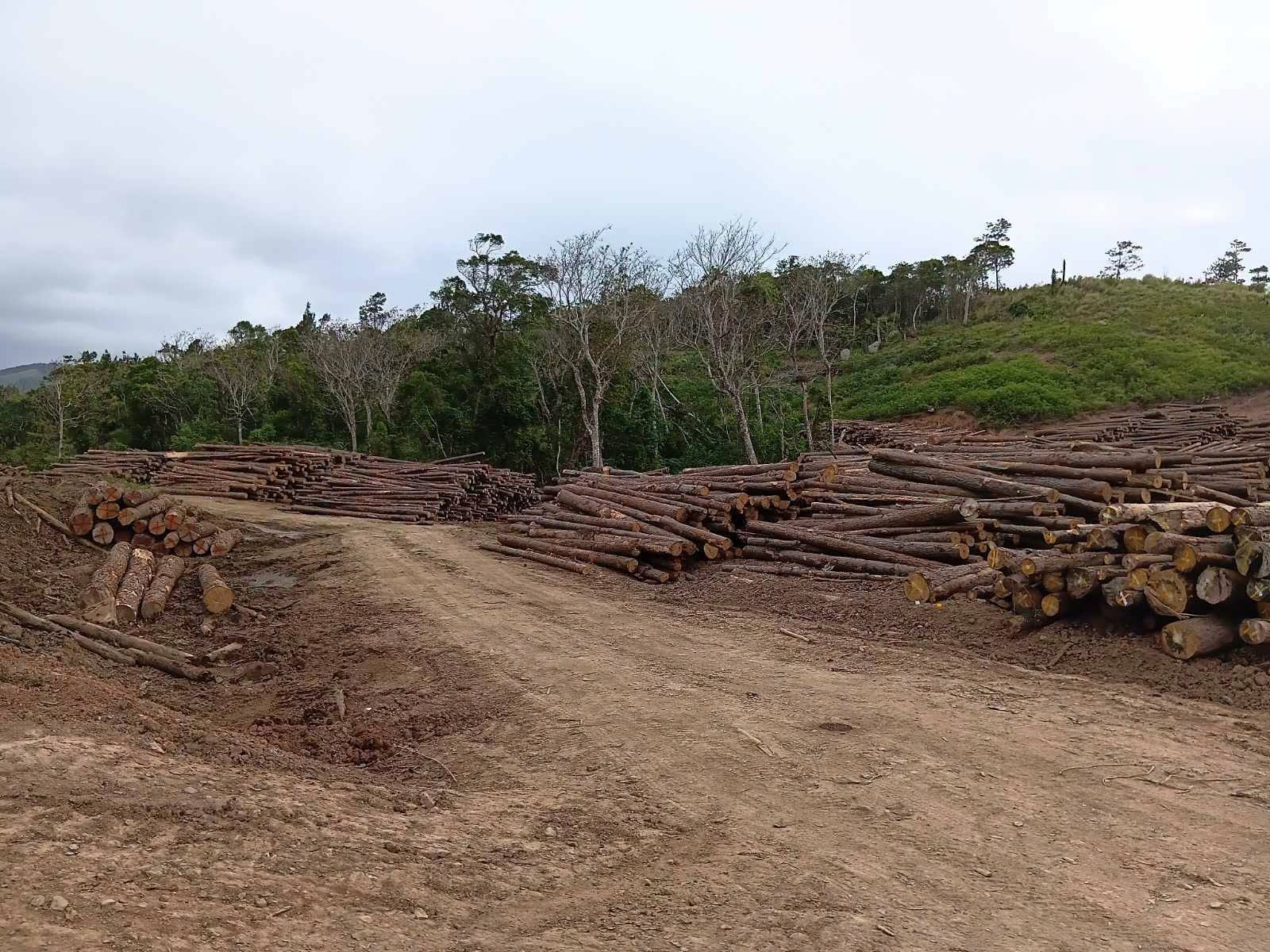
Communities across Kadavu are being supported in efforts to better protect forests, waterways and coastal ecosystems through a series of environmental and forestry assessments.
Conservation and Forestry personnel carried out awareness programmes and field assessments this month in Solodamu, Nasegai, Namalata and Muani villages to identify environmental risks and support sustainable management and restoration efforts.
In Solodamu Village in Tavuki District, the assessment covered water catchment areas, creeks, historical sites and village reserves. Officers also inspected areas where Kaka species have been recorded, as well as restricted locations where tree felling needs to be carefully controlled.
At Nasegai, attention turned to the environmental impacts around logged-out areas, the riverbank and the village’s coastal rehabilitation site.
The team then assessed the logged-out section of the Namalata Pine Scheme before completing the fieldwork at Muani Village.
At Muani, officers examined the logged-out area of the Muani Pine Scheme, with particular attention to silviculture, ecosystem restoration and coastal environmental research.
The information gathered during the assessments will help identify risks linked to forestry activities and determine appropriate measures to restore and protect soil, waterways, biodiversity, village reserve areas and coastal environments.
The work is also aimed at promoting sustainable forestry practices while protecting the natural resources, ecosystems and livelihoods that Kadavu communities rely on.

Gokals Launches Fujitsu Air Conditioning, Focusing on Customer Needs and...
Oct 20, 2026, 04:50 PM

SPX Opens Entries for 2026 Corporate Excellence Awards
Oct 20, 2026, 03:08 PM

Woolworths partners Rugby World Cups in Australia
Oct 20, 2026, 02:47 PM
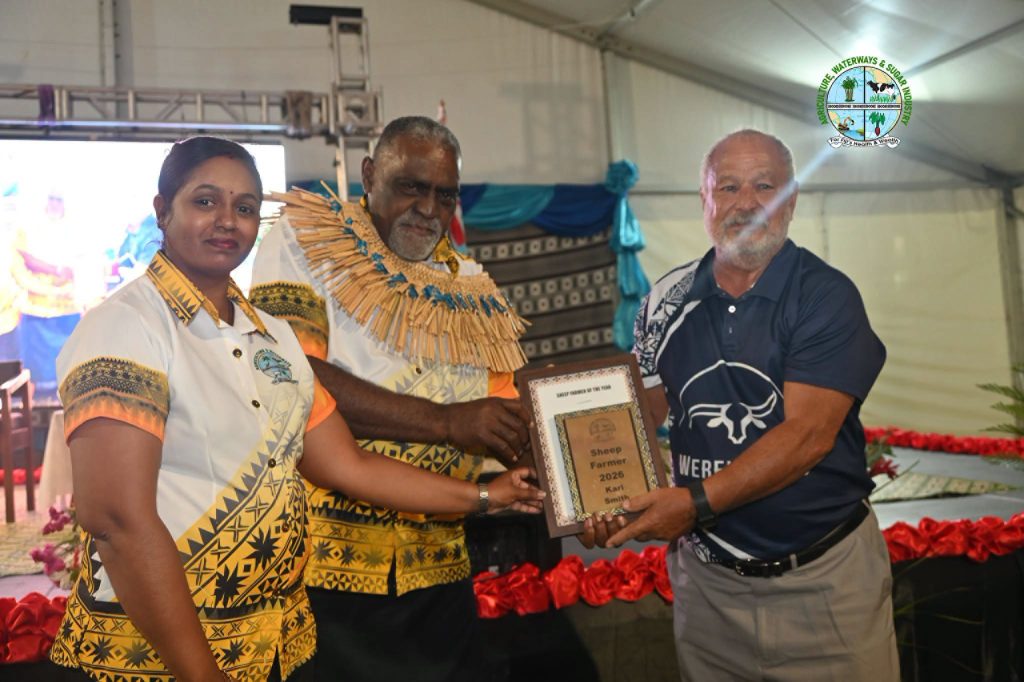
At 71 Karl Smith Continues to Thrive in Farming
Oct 20, 2026, 02:44 PM
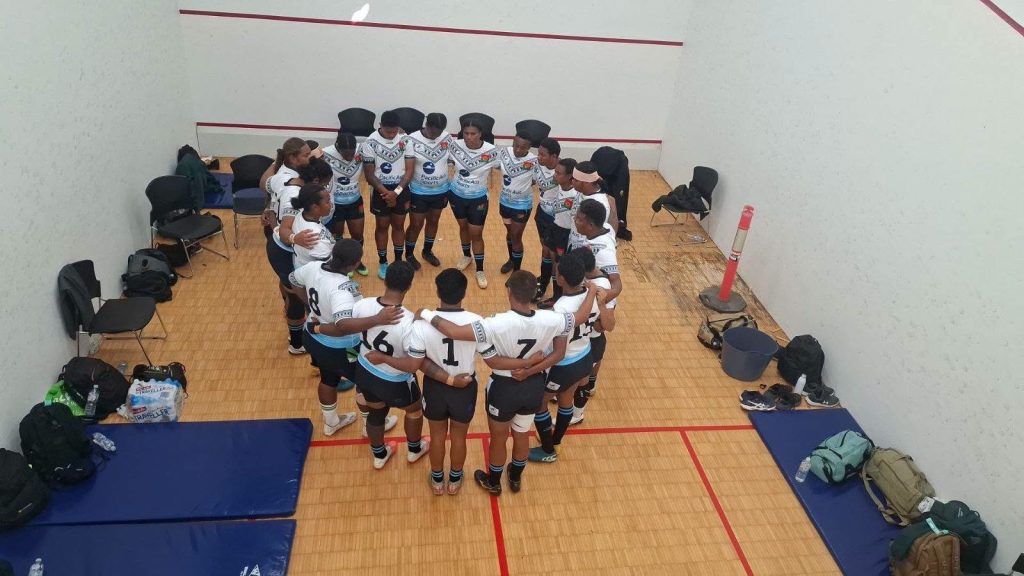
RFMF Women Secure Defence Pacific Cup Series
Oct 20, 2026, 02:31 PM
Gokals Launches Fujitsu Air Conditioning, Focusing on Customer Needs and...
Oct 20, 2026, 04:50 PM
SPX Opens Entries for 2026 Corporate Excellence Awards
Oct 20, 2026, 03:08 PM
Woolworths partners Rugby World Cups in Australia
Oct 20, 2026, 02:47 PM
At 71 Karl Smith Continues to Thrive in Farming
Oct 20, 2026, 02:44 PM
RFMF Women Secure Defence Pacific Cup Series
Oct 20, 2026, 02:31 PM
 Fiji One News Team