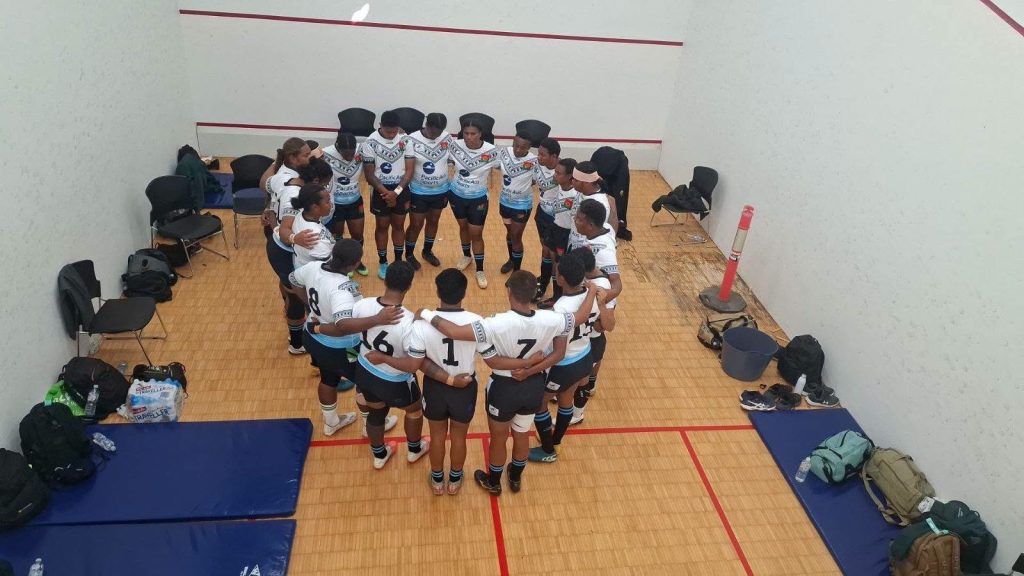
In Fiji:


A new legacy programme linked to the 2027 and 2029 Rugby World Cups has been launched with AUD$30 million in Australian Government funding to deliver long-term benefits for rugby across Australia and the Pacific.
Known as “Impact Beyond”, the initiative will support sustainable growth before, during and after the Men’s Rugby World Cup 2027 and Women’s Rugby World Cup 2029, with the tournaments serving as a platform to strengthen the sport across the region rather than as standalone events.
The Australian Government’s investment forms part of a broader AUD$90 million package supporting both Rugby World Cups. Half of the legacy funding will be directed to Impact Beyond Australia, while the remaining AUD$15 million will support Impact Beyond Pasifika.
The Australian programme, led by Rugby Australia and its Member Unions, focuses on expanding participation, strengthening community rugby and promoting inclusion. It also places a strong emphasis on increasing opportunities for women and girls, with a target of lifting female participation by 70 per cent by 2029.
Among its key goals are increasing rugby union participation nationwide to more than 220,000 players by 2029, growing community rugby participation across both 15s and sevens, boosting the number of accredited coaches and match officials by 30 per cent, and doubling participation in grassroots programmes such as Get into Rugby and Tri-Tag Rugby.
Meanwhile, Impact Beyond Pasifika will focus on strengthening rugby across Oceania through investments in high-performance development, governance, financial sustainability, community rugby and regional engagement.
The regional programme, delivered by World Rugby and Oceania Rugby with Australian Government support, aims to improve elite coaching pathways in Fiji, Tonga and Samoa, expand participation among women and girls, strengthen support for female coaches and introduce safeguarding and governance programmes across Pacific rugby unions.
Organisers say the initiative is designed to create lasting benefits for players, clubs, communities and Member Unions while ensuring the legacy of the two Rugby World Cups extends well beyond the final matches.
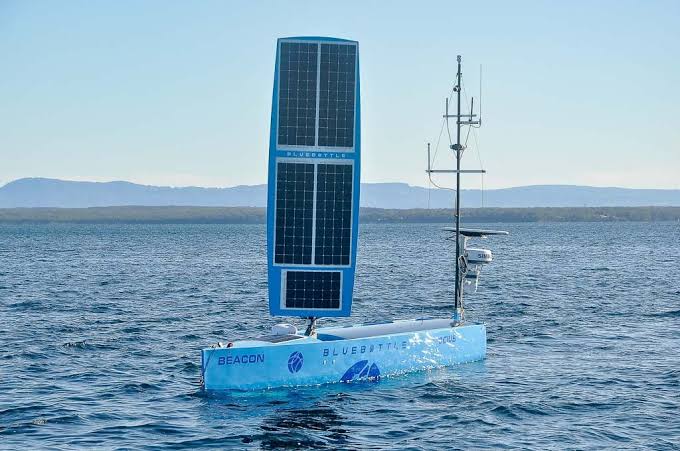
Australia to Provide Fiji with Solar-Powered Drone Vessels to Combat...
Oct 21, 2026, 03:31 PM

Te Nana predicts blockbuster Rugby World Cup 2027
Oct 21, 2026, 11:34 AM
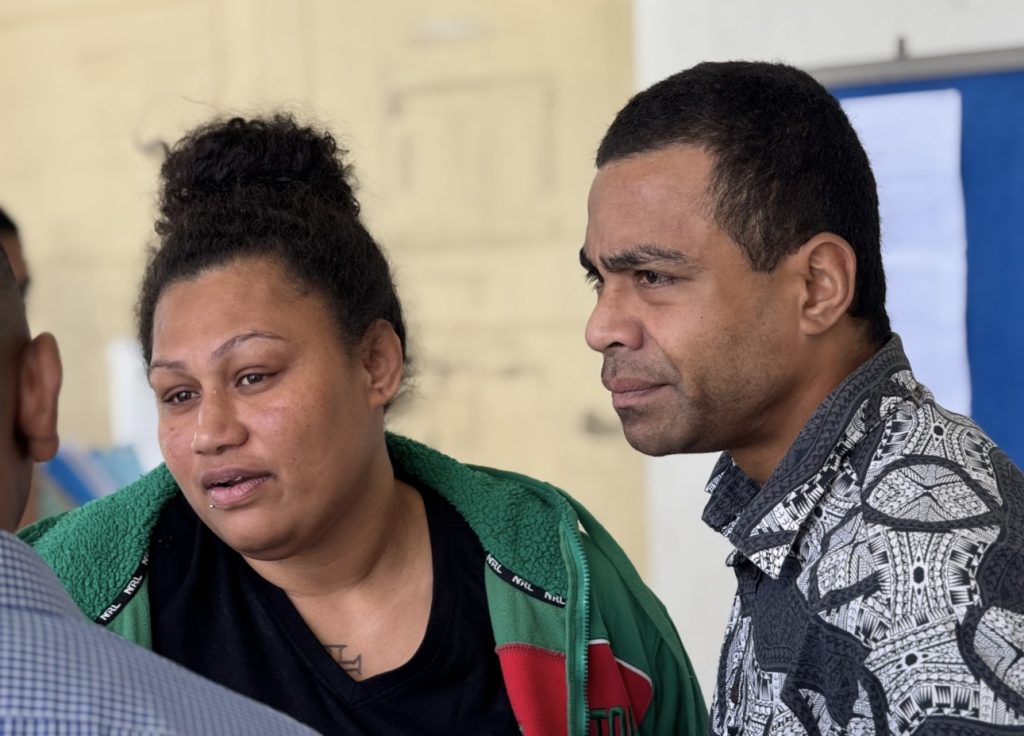
Couple Further Remanded Over Alleged Assault of 12-Year-Old Boy
Oct 21, 2026, 11:26 AM
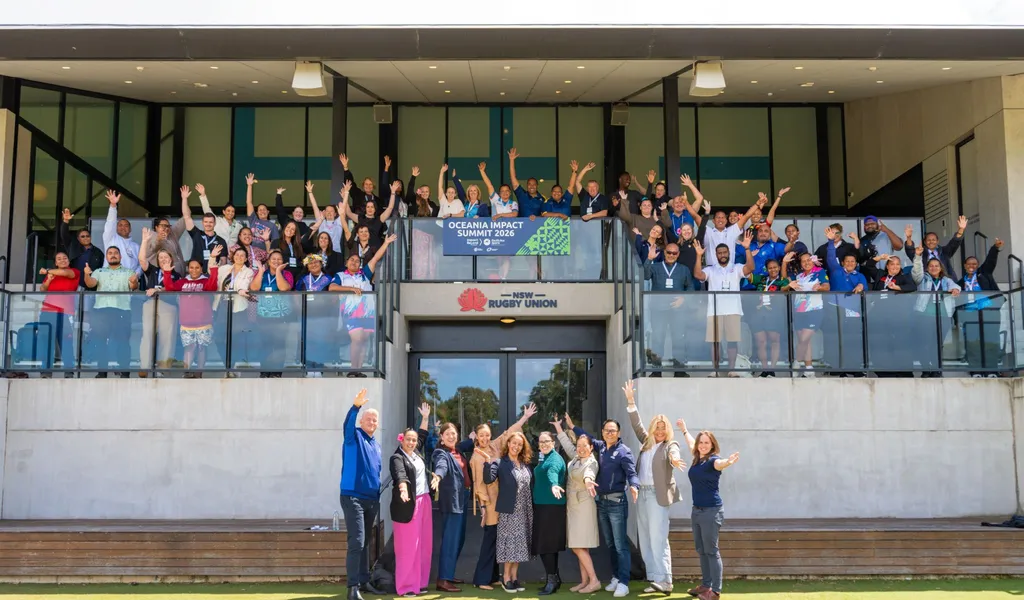
Pacific Summit pushes growth of women’s rugby
Oct 21, 2026, 11:12 AM
Fijian Drua confirm eight home venues for 2027
Oct 21, 2026, 10:07 AM
Australia to Provide Fiji with Solar-Powered Drone Vessels to Combat...
Oct 21, 2026, 03:31 PM
Te Nana predicts blockbuster Rugby World Cup 2027
Oct 21, 2026, 11:34 AM
Couple Further Remanded Over Alleged Assault of 12-Year-Old Boy
Oct 21, 2026, 11:26 AM
Pacific Summit pushes growth of women’s rugby
Oct 21, 2026, 11:12 AM
Fijian Drua confirm eight home venues for 2027
Oct 21, 2026, 10:07 AM
 Fiji One News Team