In Fiji:

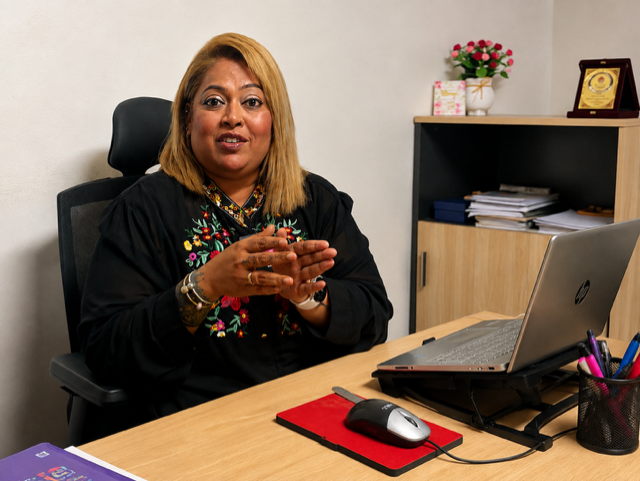
An educator and MSME owner is raising concerns about the proposed $8 living wage, saying while higher wages are important for workers, the impact on micro and small businesses must also be carefully considered.
Dr Swati Nair, who operates an education and training academy centre, says small businesses often operate with limited margins and employ staff in close-knit environments where workers are treated like family.
She says an increase in the minimum wage would not only affect employees currently earning at the minimum level, but could trigger wider wage adjustments across an organisation.
“For me as an MSME owner, it is scary and a bit fearful,” Nair says.
She explains that if entry-level staff receive a significant wage increase, businesses may also need to review the salaries of facilitators, administrators and other employees to maintain a reasonable wage structure.
Nair says this could place additional pressure on small businesses already dealing with rising operating costs.
She questions whether businesses would be forced to reduce working hours or days, delay recruitment or postpone investment to manage the additional costs.
“We have dealt with wage increases within these years, and we are slowly getting into it, also with the fuel increase, the costing increase,” she says.
Nair believes Government should consult more closely with the private sector before introducing a major change to the wage structure.
She is calling for a structured wage-monitoring and review system that allows Government, employers and workers to assess wage increases progressively.
“I think that the Government should consider having a wage monitoring system, where we have a plan increase and are able to consult the private sector, the public sector, and see a proper outline of how this increase is going to go,” Nair says.
She also believes businesses may eventually have to increase the prices of their goods and services to absorb higher labour costs.
According to Nair, this could create a cycle where higher wages lead to higher business costs, which are then passed on to consumers through increased prices.
“If the cost of business is increasing, then we have to increase the cost. So it kind of balances out,” she says.
Nair’s concerns extend beyond the proposed $8 figure itself.
She says Fiji needs to strengthen the existing system used to determine and review the national minimum wage before introducing another wage framework.
She distinguishes between the national minimum wage and a living wage, saying the two concepts are connected but not interchangeable.
Nair argues that Fiji needs clear wage-setting criteria, reliable statistics, a functioning tripartite mechanism and a predictable review process.
She says policymakers should consider both the needs of workers and their families and broader economic factors such as productivity and economic development.
For Nair, the issue is therefore not simply about whether workers should earn more, but how Fiji can introduce higher wages without placing unsustainable pressure on the businesses that employ them.
She believes a gradual and consultative approach would give MSMEs greater certainty while allowing workers to benefit from improved wages.
Fiji Moves to Build Pineapple Export Brand
Oct 15, 2026, 04:16 PM
FDB and Dairy Cooperative partner to improve farmers’ access to...
Oct 15, 2026, 04:11 PM

Colgate-Palmolive promotes handwashing habits among young children
Oct 15, 2026, 11:09 AM
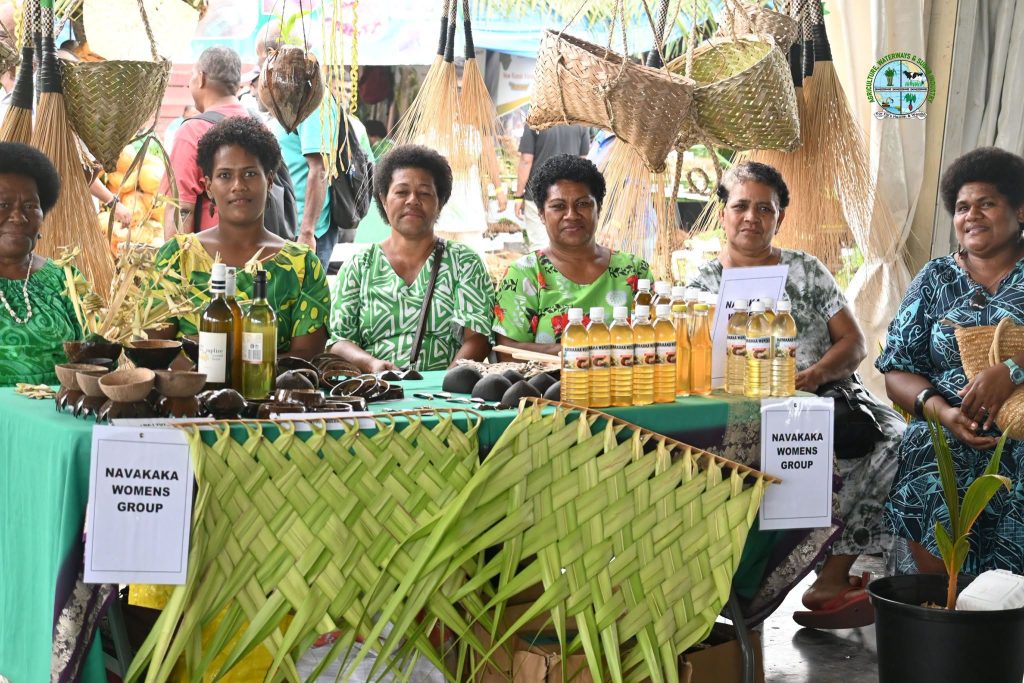
Navakaka Women Build Livelihoods Through Tradition
Oct 05, 2026, 01:17 PM

Women urged to build confidence and knowledge behind the wheel
Sep 19, 2026, 05:49 PM
Fiji Moves to Build Pineapple Export Brand
Oct 15, 2026, 04:16 PM
FDB and Dairy Cooperative partner to improve farmers’ access to...
Oct 15, 2026, 04:11 PM
Colgate-Palmolive promotes handwashing habits among young children
Oct 15, 2026, 11:09 AM
Navakaka Women Build Livelihoods Through Tradition
Oct 05, 2026, 01:17 PM
Women urged to build confidence and knowledge behind the wheel
Sep 19, 2026, 05:49 PM
 Eparama Warua