In Fiji:

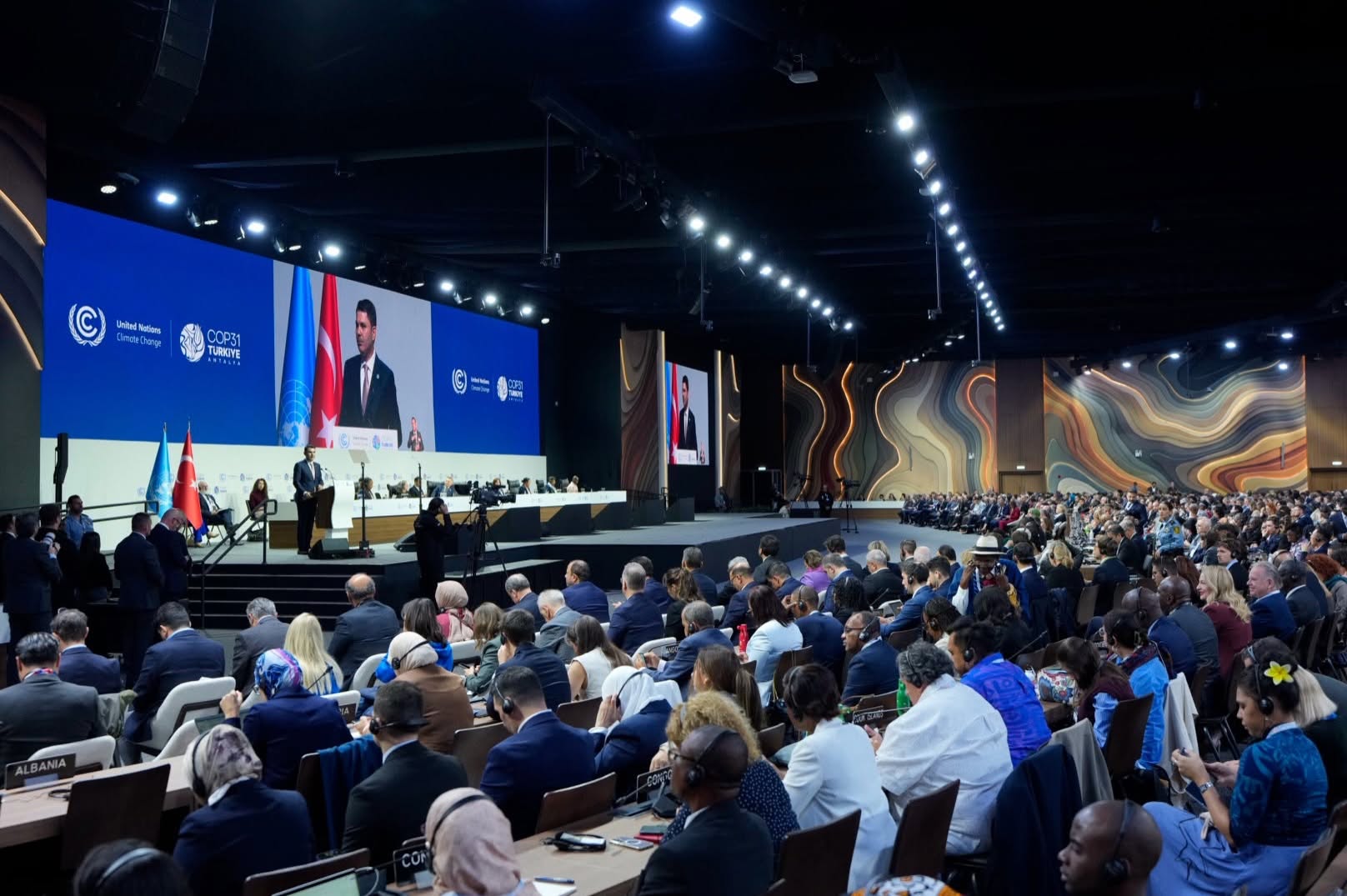
Pacific island nations are facing mounting climate threats as world leaders gather in Türkiye for the UN climate negotiations, with 350.org Pacific warning that further delays in global climate action could have devastating consequences for communities already experiencing the impacts of climate change.
The COP31 talks come at a critical time for the Pacific, with severe El Niño conditions, prolonged dry weather and the approaching cyclone season placing additional pressure on island communities. The region is also grappling with the ongoing effects of global energy and affordability crises, highlighting the growing challenges facing vulnerable nations.
350.org Pacific and Caribbean Program Manager Fenton Lutunatabua said Pacific communities could not afford to wait for governments to turn climate commitments into meaningful action.
“We do not have the luxury of time,” Lutunatabua said.
He said communities across the Pacific were already being urged to conserve water as the region faced what has been described as a “Godzilla” El Niño, while also preparing for an impending cyclone season that could be intensified by warming ocean temperatures.
“This is not a future scenario, it is the reality of today. We need governments to listen to the communities already living with these consequences,” he said.
Lutunatabua said COP31 must deliver concrete measures, including a rapid transition away from fossil fuels, meaningful climate finance and stronger commitments to protect communities and countries most exposed to climate risks.
The negotiations also present an opportunity to build on momentum from COP30 in Brazil and the Santa Marta conference in Colombia, where around 80 countries supported efforts to advance the transition away from fossil fuels.
With the COP30 presidency recently presenting roadmaps to help countries translate commitments into action, 350.org says governments must now move beyond political declarations and establish clear pathways for implementation.
The organisation is calling on the Turkish and Australian COP31 presidencies to ensure the negotiations produce a credible roadmap for phasing out fossil fuels, supported by time-bound targets, accountability measures and adequate financing.
It is also urging governments to accelerate renewable energy development, agree on practical steps towards a just and equitable energy transition, and deliver the climate finance urgently needed by developing countries.
Another key demand is for those most responsible for the climate crisis to contribute their fair share towards addressing its impacts, particularly in vulnerable developing nations.
Lutunatabua stressed that limiting global warming remained essential to reducing the scale of future climate damage, with every fraction of a degree avoided helping to protect lives, livelihoods and ecosystems.
“Every fraction of a degree of warming avoided matters. Every tonne of emissions prevented can reduce future harm,” he said.
He said moving away from fossil fuels was no longer simply a matter of political ambition but an urgent necessity for the safety, security and equity of present and future generations.
For Pacific island nations, the outcome of COP31 will have direct implications for their ability to respond to worsening climate impacts, protect vulnerable communities and secure the resources needed to adapt.
350.org is urging world leaders to recognise the urgency facing the Pacific and ensure that promises made at previous climate summits translate into measurable action.
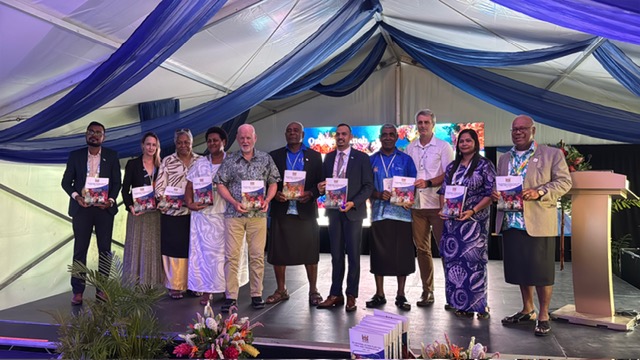
Communities at the centre of Fiji’s new plan to protect...
Oct 07, 2026, 07:02 PM
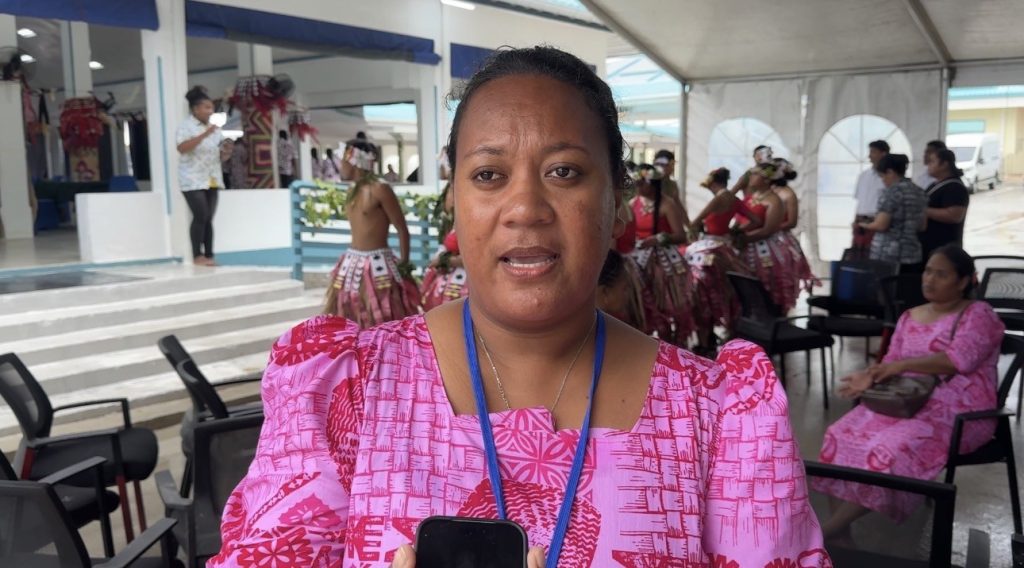
Tuvalu woman urges world leaders to remember what they saw
Oct 06, 2026, 08:47 PM
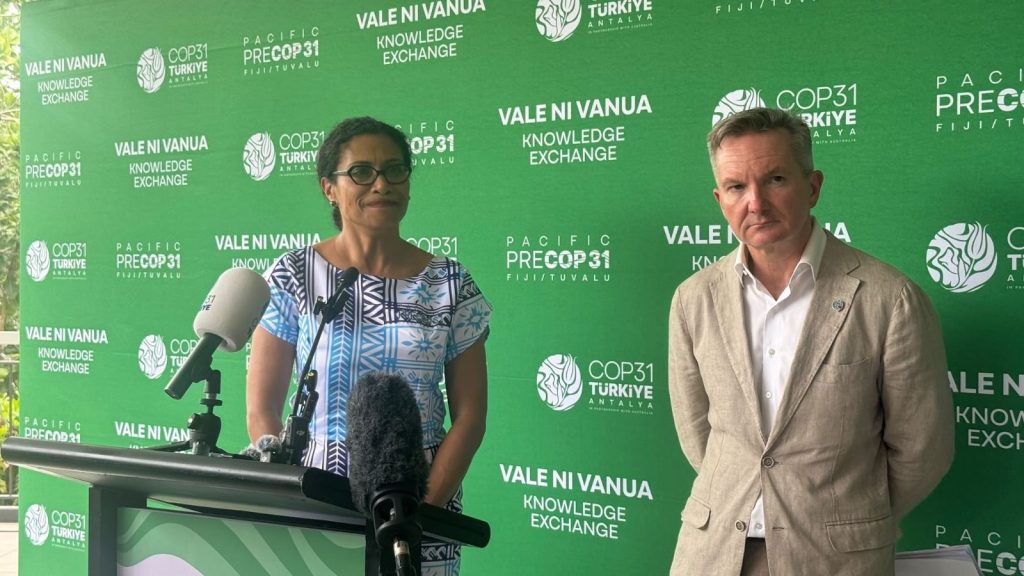
Australia commits new funding to support Pacific clean energy transition
Oct 05, 2026, 10:56 PM

Disability voices urged to be included in climate decisions
Oct 05, 2026, 10:53 PM
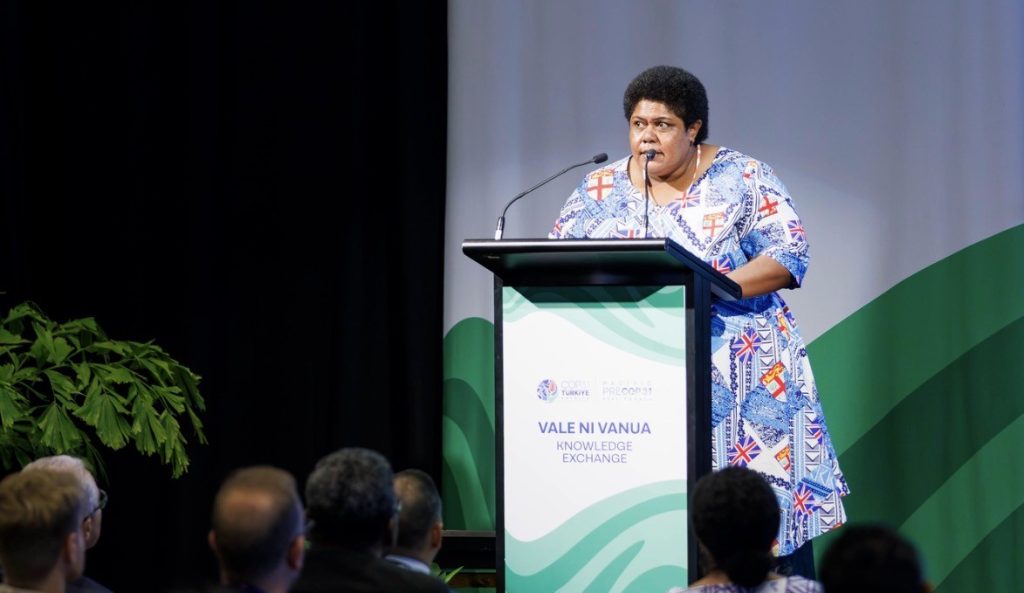
Nacula people fear losing homes, food and history
Oct 05, 2026, 10:34 PM
Communities at the centre of Fiji’s new plan to protect...
Oct 07, 2026, 07:02 PM
Tuvalu woman urges world leaders to remember what they saw
Oct 06, 2026, 08:47 PM
Australia commits new funding to support Pacific clean energy transition
Oct 05, 2026, 10:56 PM
Disability voices urged to be included in climate decisions
Oct 05, 2026, 10:53 PM
Nacula people fear losing homes, food and history
Oct 05, 2026, 10:34 PM
 Eparama Warua