In Fiji:


For small business owner Neelam Maharaj, building a cleaning company from the ground up has meant navigating rising operating costs, staffing challenges and the constant pressure of keeping the business afloat.
Maharaj, the owner of Friendly Mates, says her journey into entrepreneurship began with limited business knowledge and a small loan.
She started with just one employee and an income of about $45 a month, after securing a $5,000 loan and a government grant to help with the deposit.
Her early experience working for a law firm helped her secure some of her first clients, but Maharaj says she had to learn almost everything else about running a business along the way.
“I didn’t even have any knowledge of what to buy, how to handle this,” she said.
One of her early major contracts came through a tender, and as the business expanded, she eventually left her job to focus entirely on Friendly Mates.
But growth came with its own challenges.
At one stage, Maharaj had more than 30 employees. Today, she has reduced the workforce to around 15, with casual workers bringing the number to between 15 and 20 depending on demand.
She says rising living costs have made it increasingly difficult to maintain a larger workforce.
For a cleaning business, transport is also a significant expense.
Maharaj says Friendly Mates pays for employees to travel between work sites, on top of the transport costs employees incur getting to the city from home.
She says the recent increase in bus fares could have placed additional pressure on the business, although the government’s subsidy helped ease some of that burden.
Fuel prices are another concern.
The company has had to absorb higher transportation costs associated with delivering cleaning chemicals and refills to clients, while existing contracts could not simply be increased whenever operating costs rose.
“We basically supply cleaning chemicals every month and replenish, refills, chemical workers every month. So there is transportation used every month for client refills,” she said.
Maharaj says the business has at times had to absorb these additional costs from its profits.
Another major challenge is employee productivity and reliability.
She says absenteeism can create significant difficulties for a small business, particularly when employees are required at specific locations and replacements are not readily available.
Maharaj believes attitudes towards work have also changed, making it harder for businesses to maintain productivity.
She says she has tried to support her employees by ensuring wages, allowances, meals and night-time taxi fares are paid on time.
The company also provides uniforms and safety equipment, although Maharaj says replacing items that are lost or not returned creates another cost for the business.
“I’ve always looked at employees being an asset to the company,” she said.
Despite the challenges, Maharaj continues to work alongside her employees.
She says she still works overnight cleaning shifts, including floor polishing and carpet cleaning, sometimes working from 10pm until 6am.
The COVID-19 pandemic presented another major financial test.
Maharaj says the business continued lodging its tax returns with the Fiji Revenue and Customs Service, but struggled to make payments, eventually accumulating more than $18,000 in outstanding tax.
She says an arrangement with FRCS allowed the business to repay the amount gradually, with penalties waived.
For Maharaj, survival has meant constantly adapting to changing costs, clients and workforce challenges.
She says her experience has reinforced the importance of resilience for anyone considering starting a small business.
Her message to aspiring entrepreneurs is simple: be prepared to work hard, take risks and get back up after setbacks.
“You will rise to a limit where, you know, you think you will not fall, but suddenly if you fall, you must have the courage to stand up,” she said.
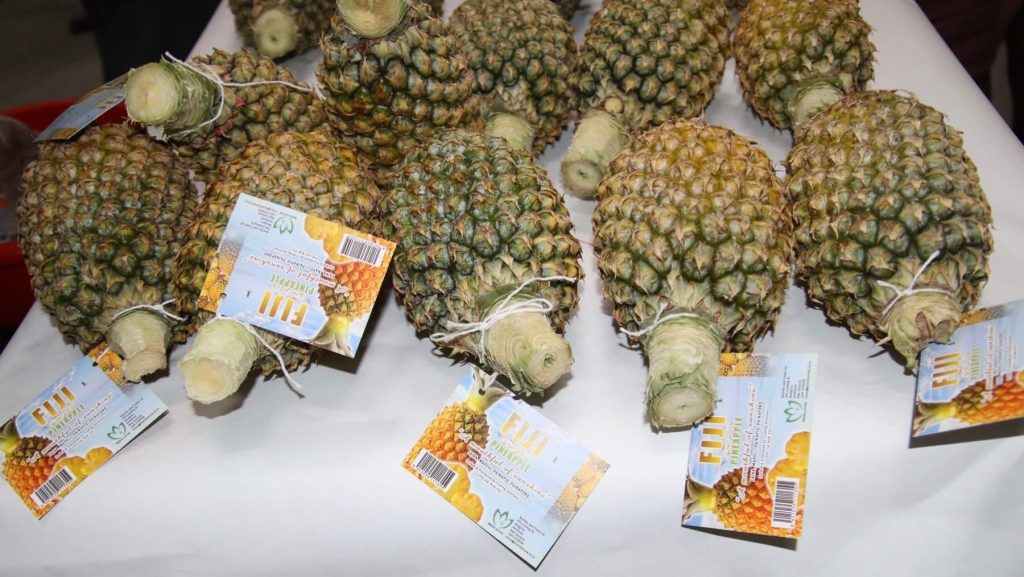
Fiji Moves to Build Pineapple Export Brand
Oct 15, 2026, 04:16 PM

FDB and Dairy Cooperative partner to improve farmers’ access to...
Oct 15, 2026, 04:11 PM

Colgate-Palmolive promotes handwashing habits among young children
Oct 15, 2026, 11:09 AM
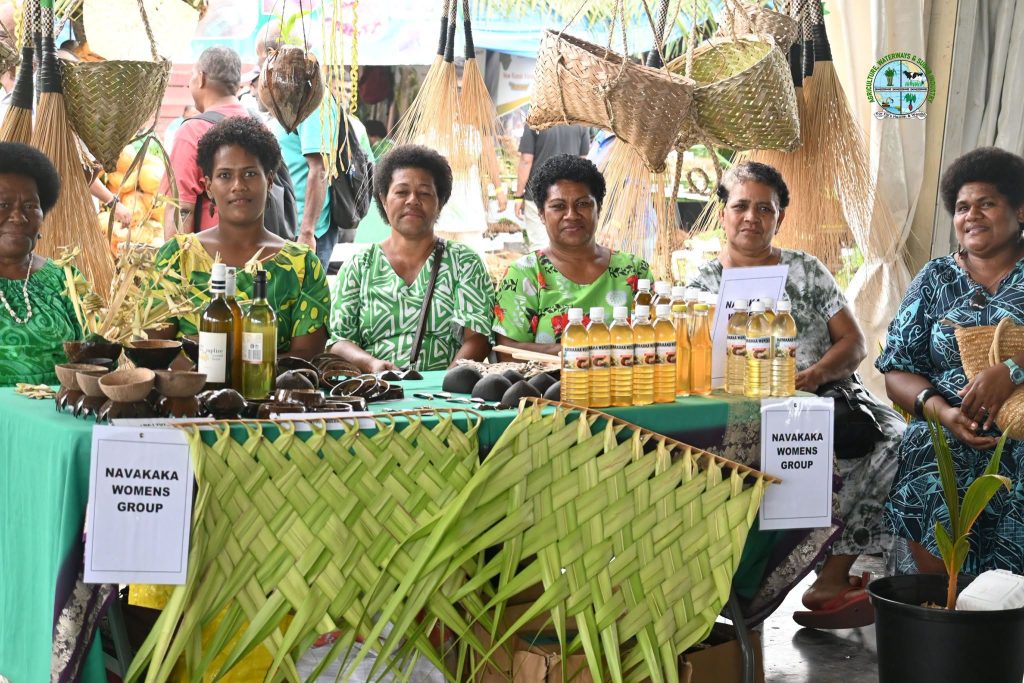
Navakaka Women Build Livelihoods Through Tradition
Oct 05, 2026, 01:17 PM

Women urged to build confidence and knowledge behind the wheel
Sep 19, 2026, 05:49 PM
Fiji Moves to Build Pineapple Export Brand
Oct 15, 2026, 04:16 PM
FDB and Dairy Cooperative partner to improve farmers’ access to...
Oct 15, 2026, 04:11 PM
Colgate-Palmolive promotes handwashing habits among young children
Oct 15, 2026, 11:09 AM
Navakaka Women Build Livelihoods Through Tradition
Oct 05, 2026, 01:17 PM
Women urged to build confidence and knowledge behind the wheel
Sep 19, 2026, 05:49 PM
 Eparama Warua