In Fiji:


Violence happening behind closed doors remains one of the biggest challenges facing families and communities across the country.
A stronger response to gender-based violence is now being taken directly into communities, with the Ministry for Women, Children and Social Protection working to ensure more people know how to identify abuse and where to seek help.
Minister for Women, Children and Social Protection Sashi Kiran highlighted that the ministry has developed new protocols and training programmes to strengthen its own capacity, rather than relying heavily on civil society organisations to respond to cases.
The aim is to ensure support is available closer to home, particularly in villages and communities where signs of violence are often known but rarely addressed.
“So, for gender-based violence, while we’ve been talking about gender-based violence and it is of great concern, there is definitely a lot more that needs to be done.
And our ministry was relying heavily on civil society because of the amount of work and because of the zero harm. Anytime there was a need for workshop or training or supporting any domestic violence cases, we referred largely to Fiji Women’s Crisis Centre and other civil society. And that showed us a lack of capacity within the ministry” Kiran highlighted.
Kiran said that the ministry is also rolling out training manuals and awareness programmes at the grassroots level, working with village leaders, faith-based groups and community networks to encourage earlier intervention.
And added that while policies and procedures are important, lasting change will come when communities no longer treat violence as a private family matter and instead work together to support victims and prevent abuse.
“Because what happens is in every village, in every community, people know the homes that are, you know, that go through violence. A father who’s coming in and this is how he’ll react to the children or the wife or the elder in the house.
So, we’re trying to build capacity in each village and each community because people would be saying, well, we know that happens on a regular basis, but it’s their family business” she said.
The ministry hopes the new approach will help create safer homes and stronger communities by ensuring help is available before violence escalates and causes further harm.
By: Joeli Ragoneliwa
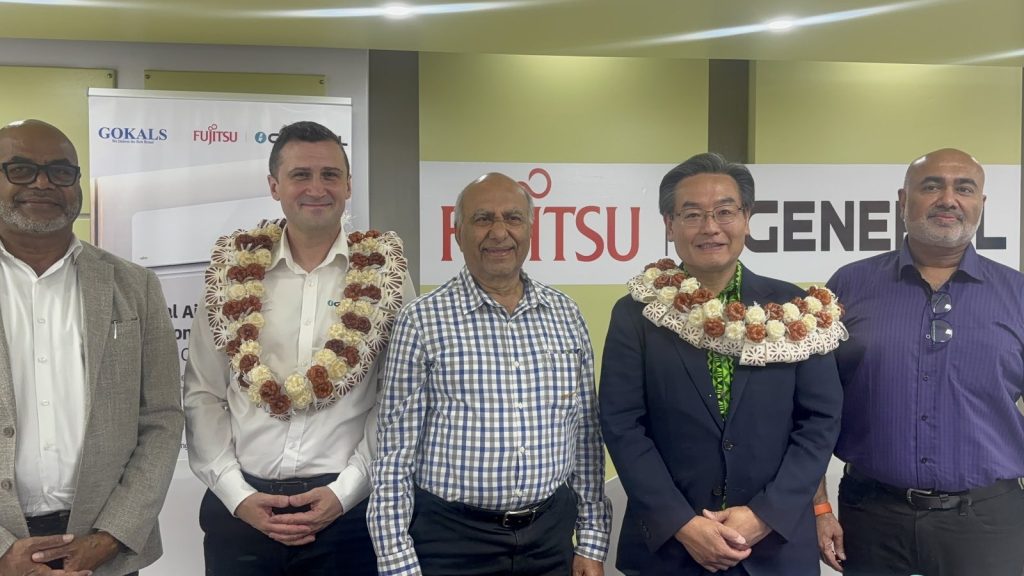
Gokals Launches Fujitsu Air Conditioning, Focusing on Customer Needs and...
Oct 20, 2026, 04:50 PM

SPX Opens Entries for 2026 Corporate Excellence Awards
Oct 20, 2026, 03:08 PM

Woolworths partners Rugby World Cups in Australia
Oct 20, 2026, 02:47 PM
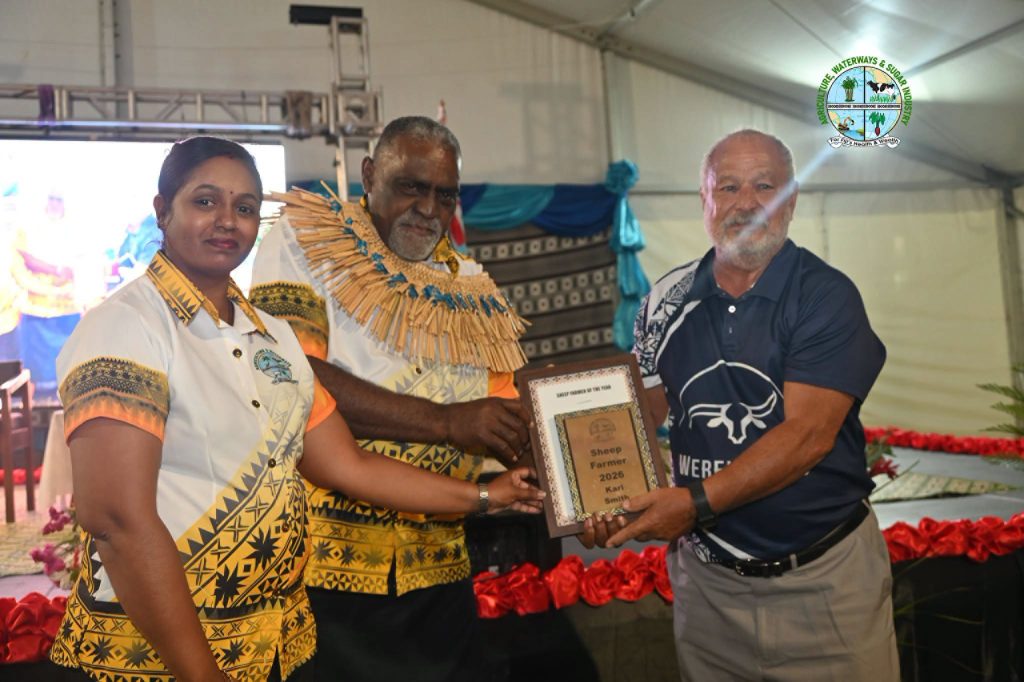
At 71 Karl Smith Continues to Thrive in Farming
Oct 20, 2026, 02:44 PM
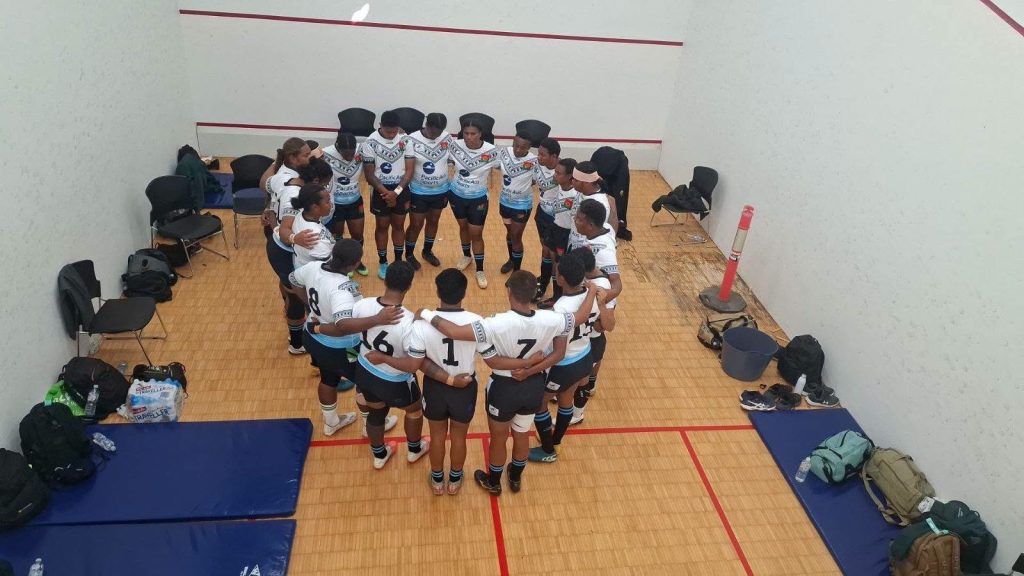
RFMF Women Secure Defence Pacific Cup Series
Oct 20, 2026, 02:31 PM
Gokals Launches Fujitsu Air Conditioning, Focusing on Customer Needs and...
Oct 20, 2026, 04:50 PM
SPX Opens Entries for 2026 Corporate Excellence Awards
Oct 20, 2026, 03:08 PM
Woolworths partners Rugby World Cups in Australia
Oct 20, 2026, 02:47 PM
At 71 Karl Smith Continues to Thrive in Farming
Oct 20, 2026, 02:44 PM
RFMF Women Secure Defence Pacific Cup Series
Oct 20, 2026, 02:31 PM
 Fiji One News Team