In Fiji:

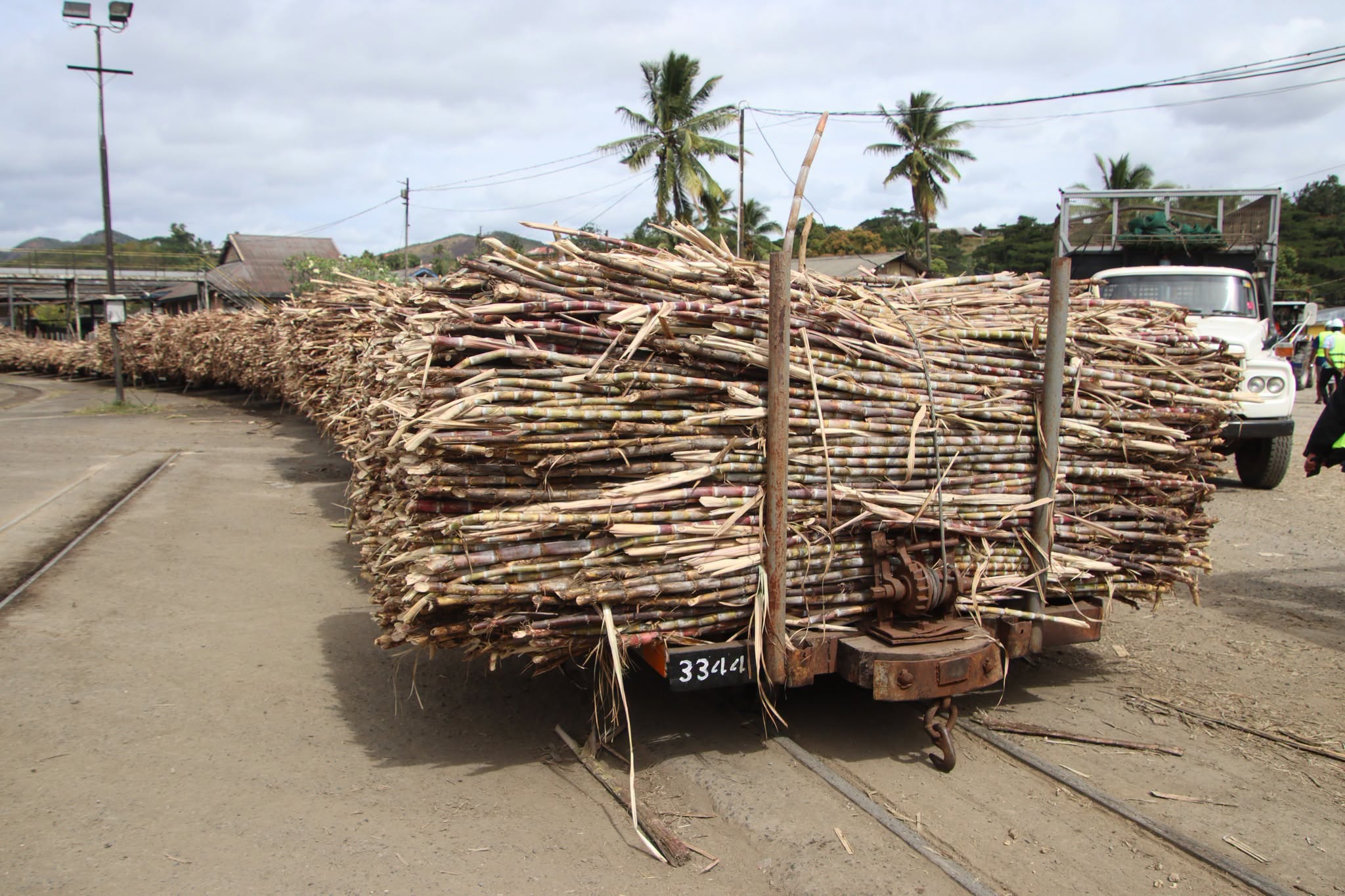
Fiji’s three sugar mills are recording better sugar recovery and reduced downtime in several areas during the 2026 crushing season.
Minister for Agriculture, Waterways and Sugar Industry Tomasi Tunabuna told Parliament that Fiji Sugar Corporation’s figures up to September 21 show improvements compared with the same period last year.
The tonnes of cane required to produce one tonne of sugar, known as the TCTS ratio, improved across all three mills. Lautoka recorded a drop from 16.0 to 11.4, Rarawai from 13.9 to 11.3, and Labasa from 11.0 to 9.1, indicating improved sugar recovery.
Inside mill stoppages also declined at Lautoka and Rarawai. Weekly stoppages fell from 26.6 to 14.3 hours at Lautoka and from 83.5 to 15.4 hours at Rarawai. Labasa recorded 6.3 hours compared with 5.1 hours last year.
Outside stoppages linked to cane supply also decreased at Rarawai and Labasa but increased at Lautoka. Rarawai fell from 28.1 to 15.1 hours, while Labasa dropped from 42.7 to 38.3 hours. Lautoka increased from 28.9 to 55.2 hours per week.
FSC is also monitoring the time taken for harvested burnt cane to reach the mills. At Lautoka, 46.8 percent of burnt cane was crushed within 24 hours and 81.5 percent within 48 hours. Rarawai recorded 34.7 percent and 69.8 percent, while Labasa recorded 32.3 percent and 71.9 percent respectively.
Tunabuna said FSC field staff are monitoring harvesting operations daily and working with growers and other stakeholders to improve cane quality and ensure timely deliveries.
He said improving mill efficiency depends not only on reducing mechanical stoppages, but also on cane quality, harvesting, transportation and reducing the time between cutting and crushing.
FSC will continue monitoring mill downtime, cane supply, cut-to-crush intervals, cane quality and TCTS ratios for the remainder of the 2026 crushing season, with consistent cane supply remaining a key challenge, particularly for the Lautoka Mill.

Gokals Launches Fujitsu Air Conditioning, Focusing on Customer Needs and...
Oct 20, 2026, 04:50 PM

SPX Opens Entries for 2026 Corporate Excellence Awards
Oct 20, 2026, 03:08 PM

Woolworths partners Rugby World Cups in Australia
Oct 20, 2026, 02:47 PM

At 71 Karl Smith Continues to Thrive in Farming
Oct 20, 2026, 02:44 PM
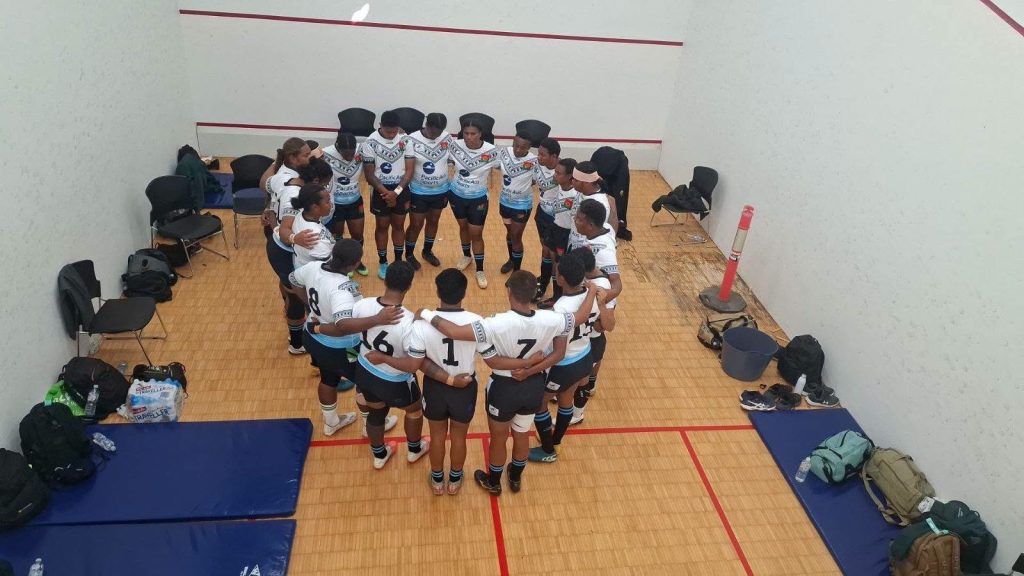
RFMF Women Secure Defence Pacific Cup Series
Oct 20, 2026, 02:31 PM
Gokals Launches Fujitsu Air Conditioning, Focusing on Customer Needs and...
Oct 20, 2026, 04:50 PM
SPX Opens Entries for 2026 Corporate Excellence Awards
Oct 20, 2026, 03:08 PM
Woolworths partners Rugby World Cups in Australia
Oct 20, 2026, 02:47 PM
At 71 Karl Smith Continues to Thrive in Farming
Oct 20, 2026, 02:44 PM
RFMF Women Secure Defence Pacific Cup Series
Oct 20, 2026, 02:31 PM
 Fiji One News Team