In Fiji:

Fiji’s prolonged dry spell and reduced water availability are placing increasing pressure on farmers, with a new initiative by Taiwan aimed at helping local growers protect their crops and maintain production amid worsening climate conditions.
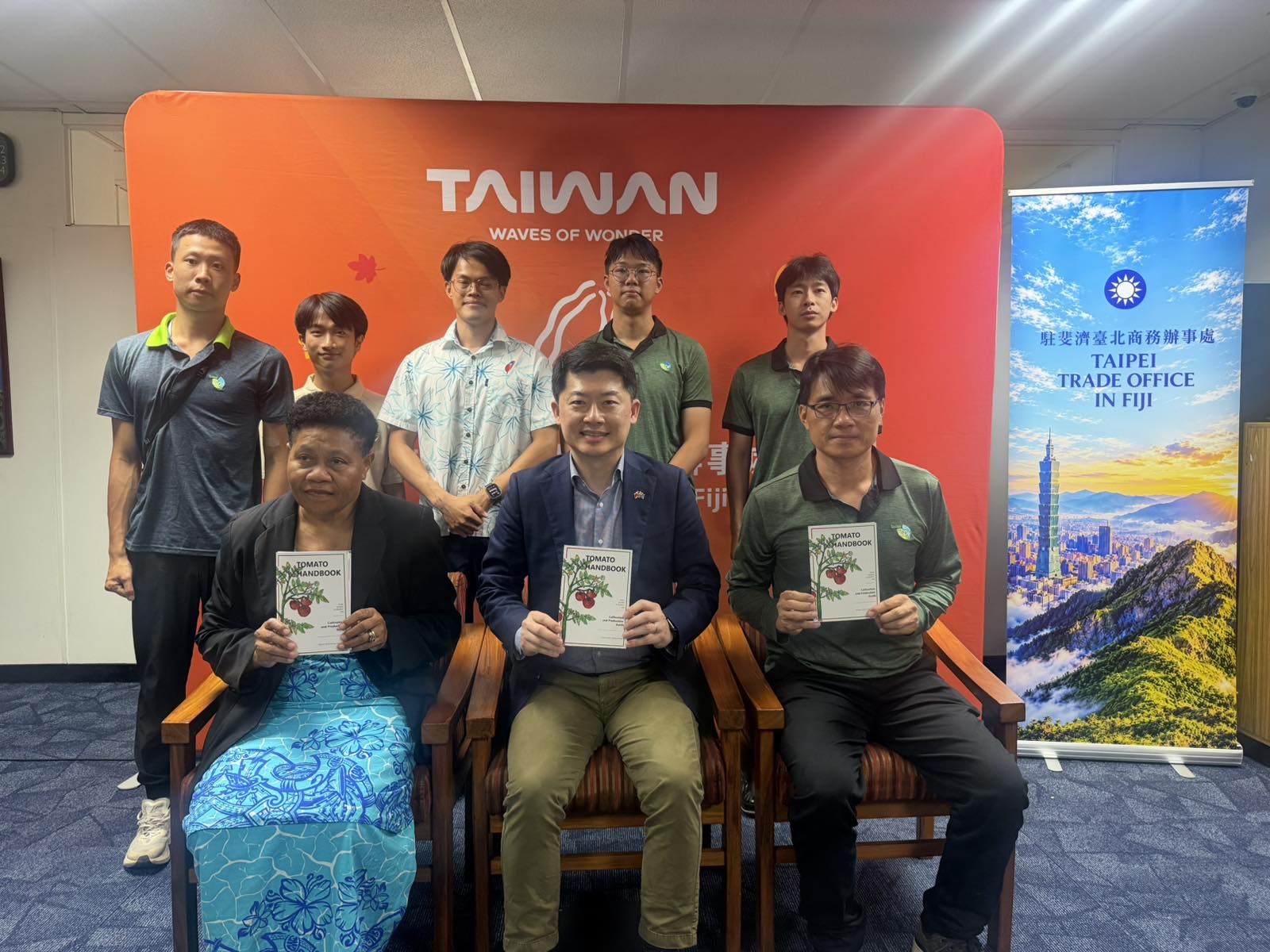
The Taipei Trade Office in Fiji officially launched the Tomato Resilient Cultivation Handbook today, developed by the Taiwan Technical Mission (TTM), to equip local farmers with practical techniques for climate-resilient tomato production.
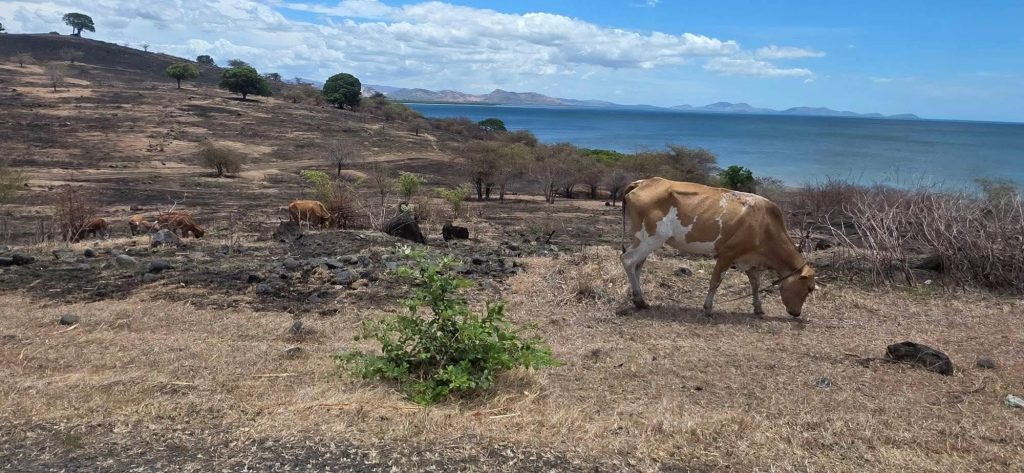
The initiative comes as Fiji continues to grapple with the effects of the 2026 El Niño event, which has brought reduced rainfall and prolonged dry spells, making it increasingly difficult for farmers to maintain soil moisture and secure reliable irrigation.
The handbook focuses on improving water and fertilizer management, crop care, pest and disease control, and adapting farming practices to changing weather conditions.
Speaking at the launch, Taiwan’s Representative David Cheng-Wei Wu said the initiative was timely, particularly as Fiji strengthens its response to the current climate challenges.
“This launch marks a timely step forward in safeguarding Fiji’s agriculture and food security during a critical moment for the nation,” Mr Wu said.
He said the Taiwan Technical Mission was ready to support farmers with practical tools to help them adapt to the changing conditions.
The handbook places particular emphasis on efficient water use and climate-adaptive techniques to help farmers sustain healthy crop growth during dry periods and minimise production risks.
It also provides guidance on planting, pruning and crop care, alongside sustainable approaches to managing pests and diseases while reducing reliance on chemicals.
The initiative is expected to strengthen the capacity of both farmers and agricultural extension officers, providing them with practical knowledge that can be applied to local farming conditions.
Beyond the handbook, the Taiwan Technical Mission operates two demonstration farms in Nausori and Sigatoka, which serve as training and technology demonstration centres for farmers, students and agricultural officers.
These facilities provide opportunities for hands-on learning and the exchange of knowledge on sustainable farming techniques.
The initiative highlights the importance of strengthening local farming capacity and adopting more resilient agricultural practices to protect livelihoods and Fiji’s food security.

People First names six additional provisional candidates ahead of 2027...
Nov 26, 2026, 07:15 PM

63 Finalists Vie for Top Honours at FAME Awards
Nov 26, 2026, 05:47 PM

Heinz joins Rugby World Cup 2027 and 2029
Nov 26, 2026, 04:26 PM

Fiji-Australia treaties officially come into force
Nov 26, 2026, 03:35 PM

Sukuna Bowl trophy to be shared between Police and Military
Nov 26, 2026, 03:29 PM
People First names six additional provisional candidates ahead of 2027...
Nov 26, 2026, 07:15 PM
63 Finalists Vie for Top Honours at FAME Awards
Nov 26, 2026, 05:47 PM
Heinz joins Rugby World Cup 2027 and 2029
Nov 26, 2026, 04:26 PM
Fiji-Australia treaties officially come into force
Nov 26, 2026, 03:35 PM
Sukuna Bowl trophy to be shared between Police and Military
Nov 26, 2026, 03:29 PM
 Eparama Warua