In Fiji:

Gaps in Fiji’s weather-data network could affect the wider use and effectiveness of parametric insurance, with concerns raised in Parliament over whether the country has enough reliable data to support insurance payouts.
Parametric insurance provides payouts when a predetermined weather or climate threshold is reached, rather than assessing the actual damage suffered by a policyholder.
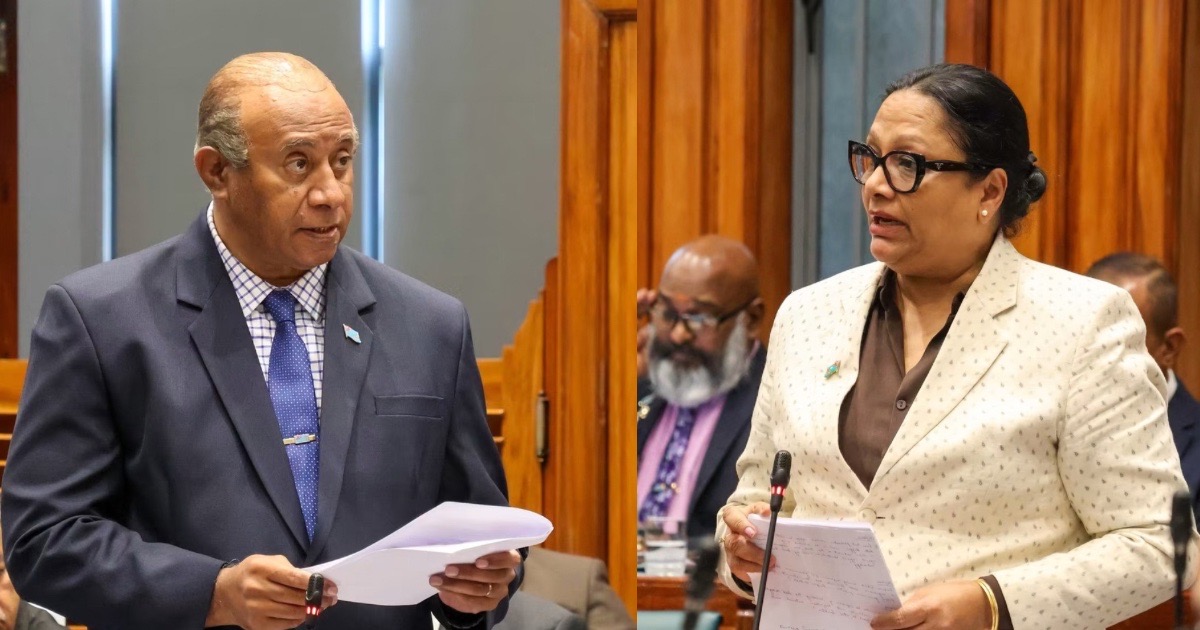
Minister for Public Works and Meteorological Services Ro Filipe Tuisawau says Fiji has a sufficiently reliable weather-data network to support the continued development of parametric insurance, but acknowledged that coverage needs to be strengthened.
He says the main challenge is geographic coverage, particularly in remote and maritime areas.
Tuisawau says a denser network of meteorological observation stations would provide more localised weather information, address data gaps and reduce the risk of differences between actual losses and the weather parameters used to trigger insurance payouts.
He says Fiji Meteorological Services provides historical and real-time data for parametric insurance products, with cyclone monitoring supported by meteorological observations, satellite data and other information.
However, highly localised rainfall remains a challenge, particularly when weather equipment experiences technical faults or communication interruptions during severe weather.
This can create what is known as basis risk, where a policyholder suffers significant damage but the weather data recorded does not reach the predetermined threshold needed to trigger a payout.
Opposition MP Premila Kumar questioned whether Fiji is effectively selling a product that cannot provide adequate coverage because of gaps in the country’s weather-data network.
Kumar says analysis of the Reserve Bank of Fiji’s insurance report raised concerns about the availability of weather data across the country.
She says if the required data is not available, insured people could miss out on payouts despite having parametric insurance cover.
Kumar also called for a nationwide weather-data network that meets a consistent standard, rather than leaving decisions to insurance companies based on information that may not be sufficiently reliable.
Tuisawau says the Fiji Meteorological Service is working to address the gaps.
He also highlighted a 10-year weather-ready programme with the Pacific Community and SPREP aimed at strengthening weather monitoring, particularly in remote areas, and upgrading related infrastructure.
For Fiji’s insurance sector, improving the availability, reliability and independent verification of weather data will be important as parametric insurance products continue to develop.
The government says the existing system provides a sound foundation, but further investment in observation stations and infrastructure will be needed to reduce the risk of policyholders not receiving payouts when they suffer weather-related losses.

Gokals Launches Fujitsu Air Conditioning, Focusing on Customer Needs and...
Oct 20, 2026, 04:50 PM

SPX Opens Entries for 2026 Corporate Excellence Awards
Oct 20, 2026, 03:08 PM

Woolworths partners Rugby World Cups in Australia
Oct 20, 2026, 02:47 PM

At 71 Karl Smith Continues to Thrive in Farming
Oct 20, 2026, 02:44 PM

RFMF Women Secure Defence Pacific Cup Series
Oct 20, 2026, 02:31 PM
Gokals Launches Fujitsu Air Conditioning, Focusing on Customer Needs and...
Oct 20, 2026, 04:50 PM
SPX Opens Entries for 2026 Corporate Excellence Awards
Oct 20, 2026, 03:08 PM
Woolworths partners Rugby World Cups in Australia
Oct 20, 2026, 02:47 PM
At 71 Karl Smith Continues to Thrive in Farming
Oct 20, 2026, 02:44 PM
RFMF Women Secure Defence Pacific Cup Series
Oct 20, 2026, 02:31 PM
 Fiji One News Team