In Fiji:

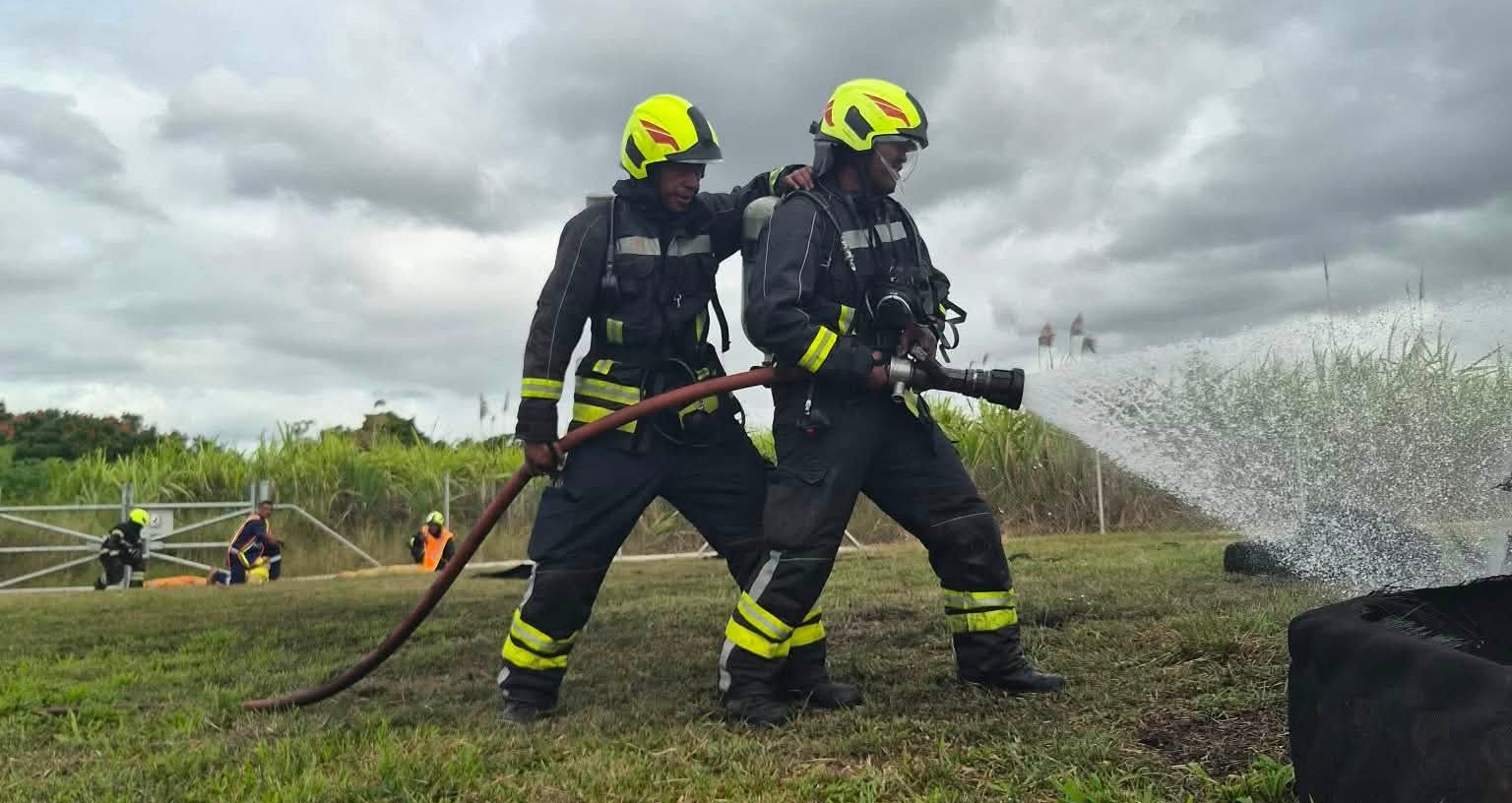
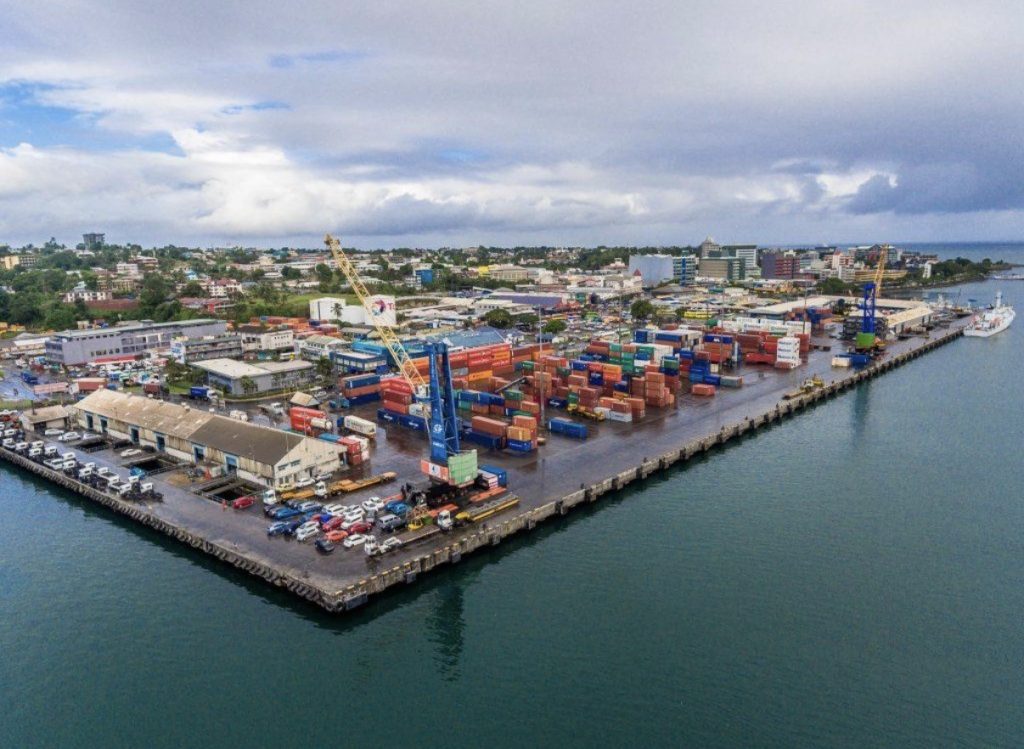
The National Fire Authority may have to turn to seawater to fight fires if freshwater supplies continue to decline under the prolonged El Niño conditions.
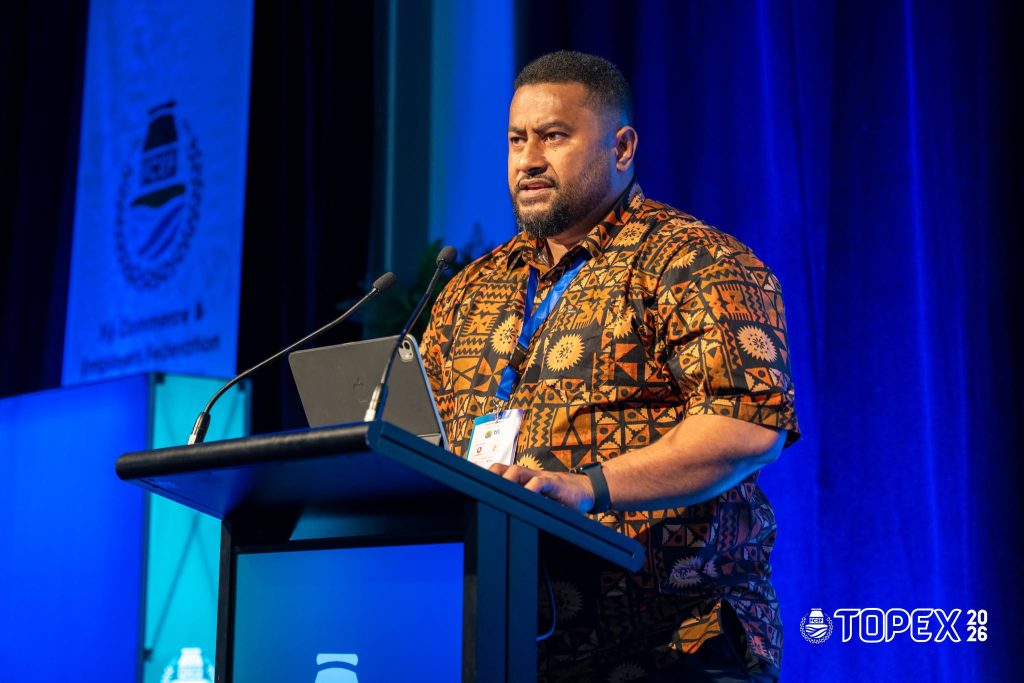
Chief Executive Officer Puamau Sowane says the Authority is preparing for the possibility of water shortages affecting its firefighting operations as the country faces an extended period of dry weather.
Speaking to Fiji One News on the sidelines of TOPEX 2026 at Denarau, Sowane says the Authority is looking at alternative ways to maintain its firefighting capacity, with water availability becoming an increasing concern.
He says NFA is investing in water tanks for all 21 fire stations across the country to reserve water for emergency situations.
However, Sowane admits the initiative alone may not be enough to sustain firefighting operations if the drought continues.
“Even water tanks alone would not be sufficient for us to keep enough water to fight fires,” he says.
Sowane says the Authority may have no choice but to use seawater if freshwater supplies become inadequate.
“When we don’t have enough water to fight fires, the only option for us is to use seawater,” he says.
He acknowledges that using seawater could have serious consequences for the Authority’s equipment.
“But using seawater is very detrimental to our equipment. But the life of people is more important for us,” Sowane says.
His concerns come as the Water Authority of Fiji warns of growing pressure on water sources due to the El Niño weather pattern.
Sowane says the situation is particularly worrying for the Western Division, where the Authority continues to witness widespread bushfire damage, alongside rubbish and structural fires.
He says a residential fire can require between 3,000 and 4,000 litres of water to extinguish, while fires involving commercial and industrial buildings can consume between 5,000 and 15,000 litres.
The NFA Chief Executive says the Authority responds to an average of one to two structural fires nationwide every day.
With dry conditions expected to persist beyond 2027, Sowane is urging the public to take greater responsibility for fire safety and avoid activities that could trigger fires.
He says preventing fires will be critical in conserving water resources that communities also depend on for their daily needs.

Provincial representatives join fight against HIV and AIDS
Nov 13, 2026, 02:23 PM
Ballot paper numering for the General Elections to start from...
Nov 13, 2026, 10:52 AM
Agni Deo Singh to Be Laid to Rest This Sunday
Sep 16, 2026, 06:08 PM

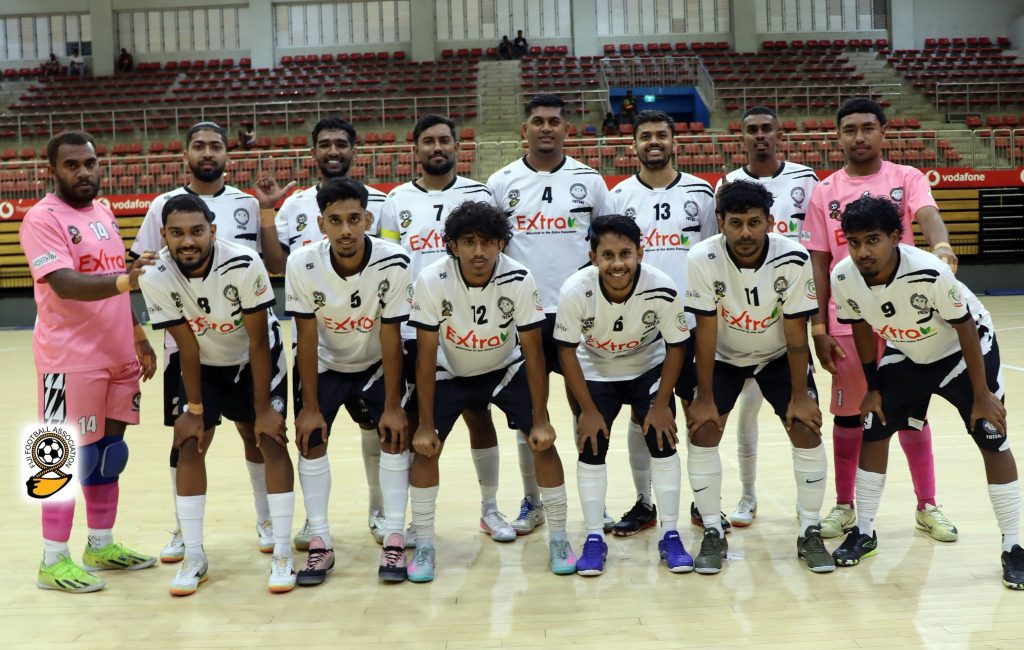
Ba FC edge Suva to book Extra BOG Final spot
Sep 12, 2026, 06:19 PM
FNPF recovers $2.8 million in legacy contributions, urges employers to...
Sep 03, 2026, 05:17 PM
Provincial representatives join fight against HIV and AIDS
Nov 13, 2026, 02:23 PM
Ballot paper numering for the General Elections to start from...
Nov 13, 2026, 10:52 AM
Agni Deo Singh to Be Laid to Rest This Sunday
Sep 16, 2026, 06:08 PM
Ba FC edge Suva to book Extra BOG Final spot
Sep 12, 2026, 06:19 PM
FNPF recovers $2.8 million in legacy contributions, urges employers to...
Sep 03, 2026, 05:17 PM
 Eparama Warua