In Fiji:

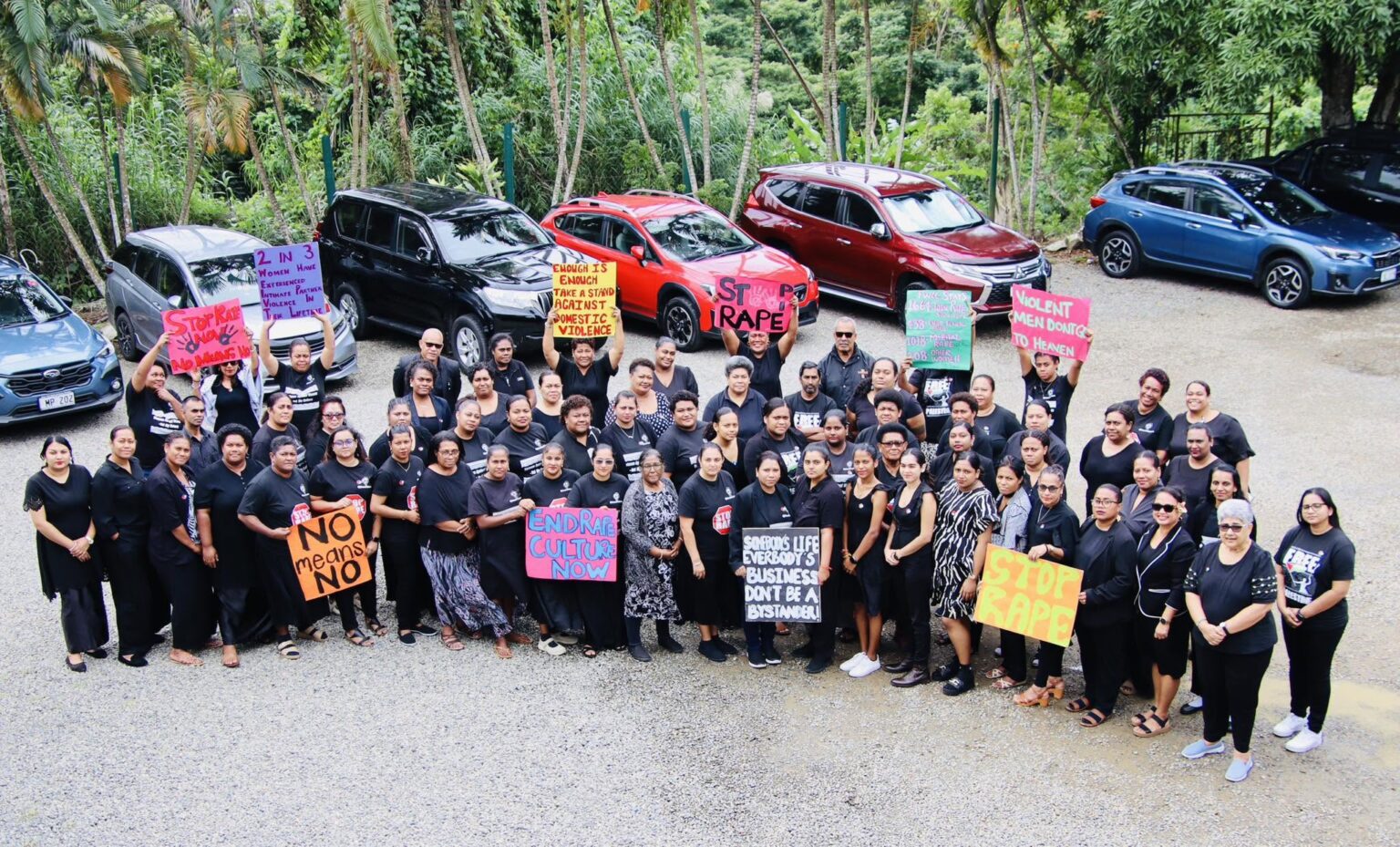
The Fiji Women’s Crisis Centre and its branches across Fiji continue to witness alarming levels of violence against women, girls and children, according to counselling statistics recorded between January and May 2026.
Of the 829 new cases received by FWCC and its branches, 558 involved domestic violence, making it by far the largest category of violence reported. In addition, survivors of domestic violence attended 1,023 repeat counselling sessions, highlighting the long-term trauma and support needs associated with abusive relationships.
The statistics also reveal cases involving rape, attempted rape, sexual assault, child rape, child abuse, adult survivors of sexual violence, sexual harassment, and other forms of violence.
The Centres recorded 7 new rape cases, 36 new physical, verbal and emotional child abuse cases, 6 new cases of sexual assault, 9 new child rape cases, 10 new cases of child sexual abuse, 5 new cases of sexual harassment and 2 new cases of attempted rape.
FWCC Coordinator Shamima Ali says behind every statistic is a survivor seeking safety, justice and support.
Ali says the high number of repeat counselling sessions underscores the reality that recovery from violence is not immediate and often requires ongoing professional counselling and assistance.
She says the continued dominance of domestic violence cases in the Centre’s statistics reflects both the scale of the crisis and ongoing gaps in protection of survivors.
Ali says domestic violence remains one of the most pervasive human rights violations in Fiji and these figures represent women and children who are living with violence, fear and trauma in their own homes.
She said many survivors continue to face barriers when seeking protection and justice, including concerns around the enforcement of Domestic Violence Restraining Orders.
Ali adds that they continue to receive reports from women who have obtained DVROs but remain fearful because breaches are not always responded to swiftly.
She says a protection order is only meaningful if it is enforced and authorities must treat domestic violence as a serious crime and not a private family matter.
Ali says when a woman reports violence, she is asking for protection and delays in responding to complaints or breaches of protection orders can place survivors and their children at even greater risk.
She adds DVROs is often the only safeguard standing between a survivor and further violence. Failure to enforce these orders sends the wrong message to perpetrators and leaves women vulnerable.”
She adds the police response to domestic violence reports must be survivor-centered, timely, consistent and without any gender bias.
The FWCC Coordinator says there is impunity when survivors feel re-victimized by the police process, and they still have survivors telling they stories of police failing to record complaints, urging reconciliation with the perpetrator, or minimizing the violence.
Ali called for stronger accountability across institutions, improved police responses, and greater investment in prevention, protection and survivor support services.
She says ending violence against women requires a coordinated national response.
She says communities, faith-based organizations, government agencies and law enforcement all have a responsibility to ensure that women and children can live free from violence and fear.
The FWCC and its branches remain committed to providing confidential counselling, advocacy and support services to survivors throughout Fiji.
The National Domestic Violence Helpline is 1560. This is available 24 hours and free to call from any network.
Parents urged not to ignore school health screenings
Sep 07, 2026, 10:52 AM
Children turn empty bottles into colorful creation
Sep 04, 2026, 01:09 PM
Suva ready for 2026 FMF Hibiscus Festival
Aug 29, 2026, 12:21 PM

40-yr-old man charged for sexually assaulting his 14-yr-old daughter
Jun 24, 2026, 11:32 AM
Creating a safe haven, giving a second chance
Mar 01, 2026, 01:45 PM
Parents urged not to ignore school health screenings
Sep 07, 2026, 10:52 AM
Children turn empty bottles into colorful creation
Sep 04, 2026, 01:09 PM
Suva ready for 2026 FMF Hibiscus Festival
Aug 29, 2026, 12:21 PM
40-yr-old man charged for sexually assaulting his 14-yr-old daughter
Jun 24, 2026, 11:32 AM
Creating a safe haven, giving a second chance
Mar 01, 2026, 01:45 PM
 Iva Danford