In Fiji:

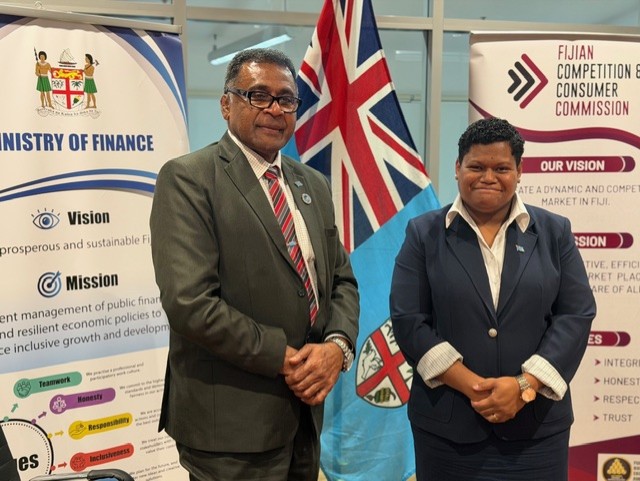
The Coalition Government has announced a series of subsidy measures aimed at shielding Fijians from the impact of rising global fuel prices, following confirmation of increases in bus fares and electricity fuel surcharges.
At a joint press conference today, the Fiji Competition and Consumer Commission announced that bus fares will increase by 22.5 percent, while an interim fuel surcharge adjustment of 5.917 cents per kilowatt hour for electricity will take effect from May 26th.
FCCC Chief Executive Senikavika Jiuta said the increases were necessary due to continued rises in global fuel prices and higher operational costs affecting essential service providers.
Jiuta said for domestic electricity customers currently paying around 34 cents per kilowatt hour, the rate will increase to about 39 cents. A household with an average monthly electricity bill of around $68 can expect an increase of approximately $11.82.
Commercial customers currently paying around 40 cents per kilowatt hour will see rates rise to around 46 cents, with businesses facing significantly higher monthly costs.
Bus commuters will also be affected, with the current stage one fare of $1.02 increasing to approximately $1.25. Long-distance routes will also see substantial increases.
However, Minister for Finance Esrom Emmanuel says Government will step in to absorb much of the additional cost to reduce the burden on ordinary Fijians.
Emmanuel announced that Government will fully absorb the 22.5 percent bus fare increase on top of the existing 10 percent subsidy, meaning passengers using eTransport cards, including students and social welfare recipients, will not pay higher fares despite the increase.
He says the measure will benefit around 350,000 Fijians who rely on public transport daily and will cost Government an additional $2 million per month.
Government has also announced it will fully absorb the new electricity fuel surcharge for subsidised residential customers with annual household incomes below $30,000.
Emmanuel says more than 50,000 domestic electricity customers currently receive electricity at subsidised rates and will not face any increase from the fuel surcharge.
The subsidy will also be extended to micro, small and medium enterprises earning $300,000 or less annually.
Emmanuel says the measures are part of Government’s targeted response to a global fuel crisis caused by rising international fuel prices and geopolitical tensions overseas.
He says while some costs will still need to be borne by businesses and consumers, Government is focused on protecting vulnerable families, maintaining energy security, and ensuring critical services such as public transport continue operating without disruption.
The Finance Minister also confirmed Government is preparing further support measures ahead of the 2026/2027 National Budget, including possible tax relief, business financing support, and additional assistance for affected sectors of the economy.

Gokals Launches Fujitsu Air Conditioning, Focusing on Customer Needs and...
Oct 20, 2026, 04:50 PM

SPX Opens Entries for 2026 Corporate Excellence Awards
Oct 20, 2026, 03:08 PM

Woolworths partners Rugby World Cups in Australia
Oct 20, 2026, 02:47 PM

At 71 Karl Smith Continues to Thrive in Farming
Oct 20, 2026, 02:44 PM

RFMF Women Secure Defence Pacific Cup Series
Oct 20, 2026, 02:31 PM
Gokals Launches Fujitsu Air Conditioning, Focusing on Customer Needs and...
Oct 20, 2026, 04:50 PM
SPX Opens Entries for 2026 Corporate Excellence Awards
Oct 20, 2026, 03:08 PM
Woolworths partners Rugby World Cups in Australia
Oct 20, 2026, 02:47 PM
At 71 Karl Smith Continues to Thrive in Farming
Oct 20, 2026, 02:44 PM
RFMF Women Secure Defence Pacific Cup Series
Oct 20, 2026, 02:31 PM
 Eparama Warua