In Fiji:

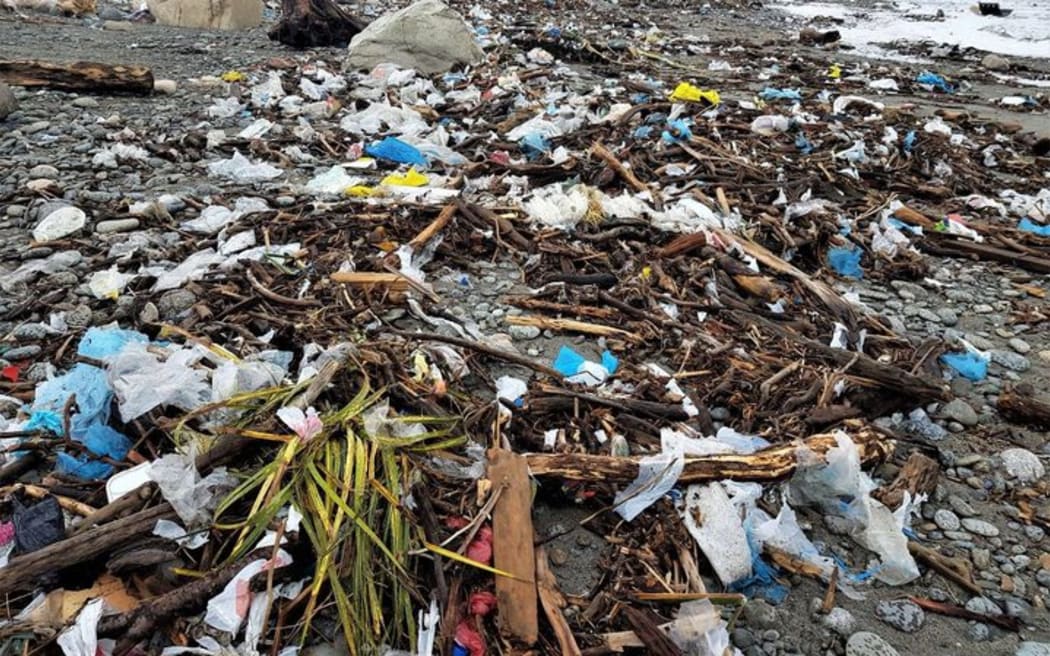
Since the 1950s there have been 9.2 billion tonnes of plastic produced of which 7 billion tonnes has become waste now filling up landfills and polluting our ocean.
As the fourth session of the Intergovernmental Negotiating Committee (INC-4) unfolds in Ottawa, Canada, Pacific Small Island Developing States (PSIDS) are urged to adopt a more strategic approach in addressing the pressing issue of plastic pollution in the marine environment.
Representatives from PSIDS, including Cook Islands, Federated States of Micronesia, Fiji, Kiribati, Marshall Islands, Nauru, Niue, Palau, Papua New Guinea, Samoa, Solomon Islands, Tonga, Tuvalu, and Vanuatu, supported by the Australian government, the United Nations, regional CROP organisations, and other stakeholders, are actively participating in the discussions.
Plastic pollution, alongside climate change and biodiversity loss, is identified as one of the triple planetary crises, with staggering statistics revealing the scale of the problem. Urgent action is needed to prevent further environmental degradation, with projections indicating that without intervention, there could be more plastic than fish in the ocean by 2050.
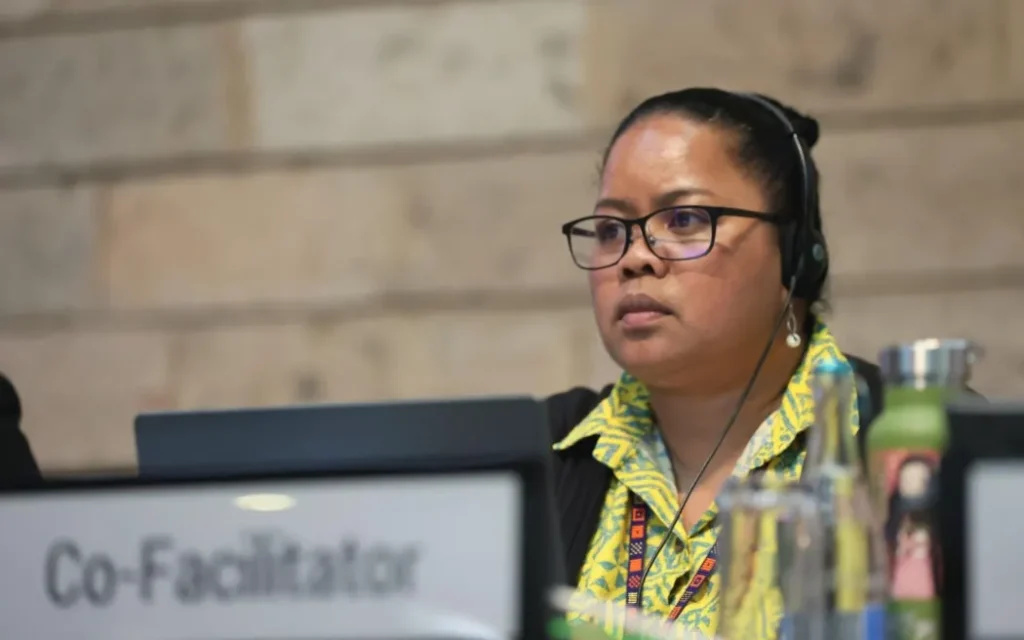
INC-4 represents a critical juncture for PSIDS, tasked with negotiating a draft instrument by the end of 2024. Chief negotiator Gwen Sisior of Palau stresses the importance of focusing on detailed discussions during the session, particularly regarding implementation strategies. She emphasizes the need to strike a balance between comprehensive treaty provisions and flexibility in negotiations.
Acknowledging the challenges ahead, Sisior underscores the necessity for PSIDS to be prepared and strategic in their approach. While advocating for the retention of essential elements in the treaty text, she advises against overly aggressive deletion of opposing positions, which could jeopardize PSIDS’ interests.
Sisior further highlights the distinction between substantive content and negotiation strategy, urging Pacific negotiators to navigate tactfully and adaptively in response to evolving dynamics. Flexibility, she notes, should be complemented by a nuanced understanding of when and how to employ strategic maneuvering to safeguard Pacific interests effectively.
In light of the evolving nature of the negotiations, Sisior emphasizes the critical importance of strategic thinking and adaptive flexibility in steering the Pacific’s stance on plastic pollution at the international level.
As PSIDS continue to engage in the INC-4 discussions, a strategic approach will be instrumental in advancing the region’s priorities and shaping effective solutions to combat plastic pollution.

Japan Clinch 2026 Pacific Nations Cup Title After Thrilling Final...
Sep 20, 2026, 12:01 AM

Canada hold off USA to secure a third-place finish
Sep 19, 2026, 08:49 PM

Fijiana stun Spain with Historic Comeback Victory in Hong Kong
Sep 13, 2026, 09:41 PM

Kikau wins NRL Community Award for Inspiring Impact in Fiji...
Sep 13, 2026, 11:41 AM
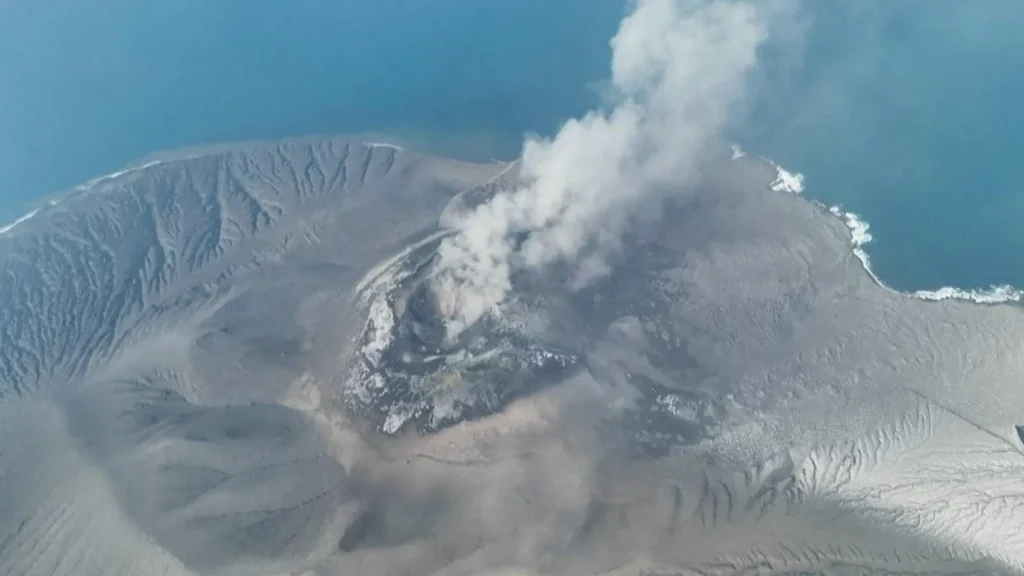
Indonesia Volcano Eruption Disrupts Hundreds Of Flights
Sep 07, 2026, 10:56 AM
Japan Clinch 2026 Pacific Nations Cup Title After Thrilling Final...
Sep 20, 2026, 12:01 AM
Canada hold off USA to secure a third-place finish
Sep 19, 2026, 08:49 PM
Fijiana stun Spain with Historic Comeback Victory in Hong Kong
Sep 13, 2026, 09:41 PM
Kikau wins NRL Community Award for Inspiring Impact in Fiji...
Sep 13, 2026, 11:41 AM
Indonesia Volcano Eruption Disrupts Hundreds Of Flights
Sep 07, 2026, 10:56 AM
 Georgina Ledua