In Fiji:

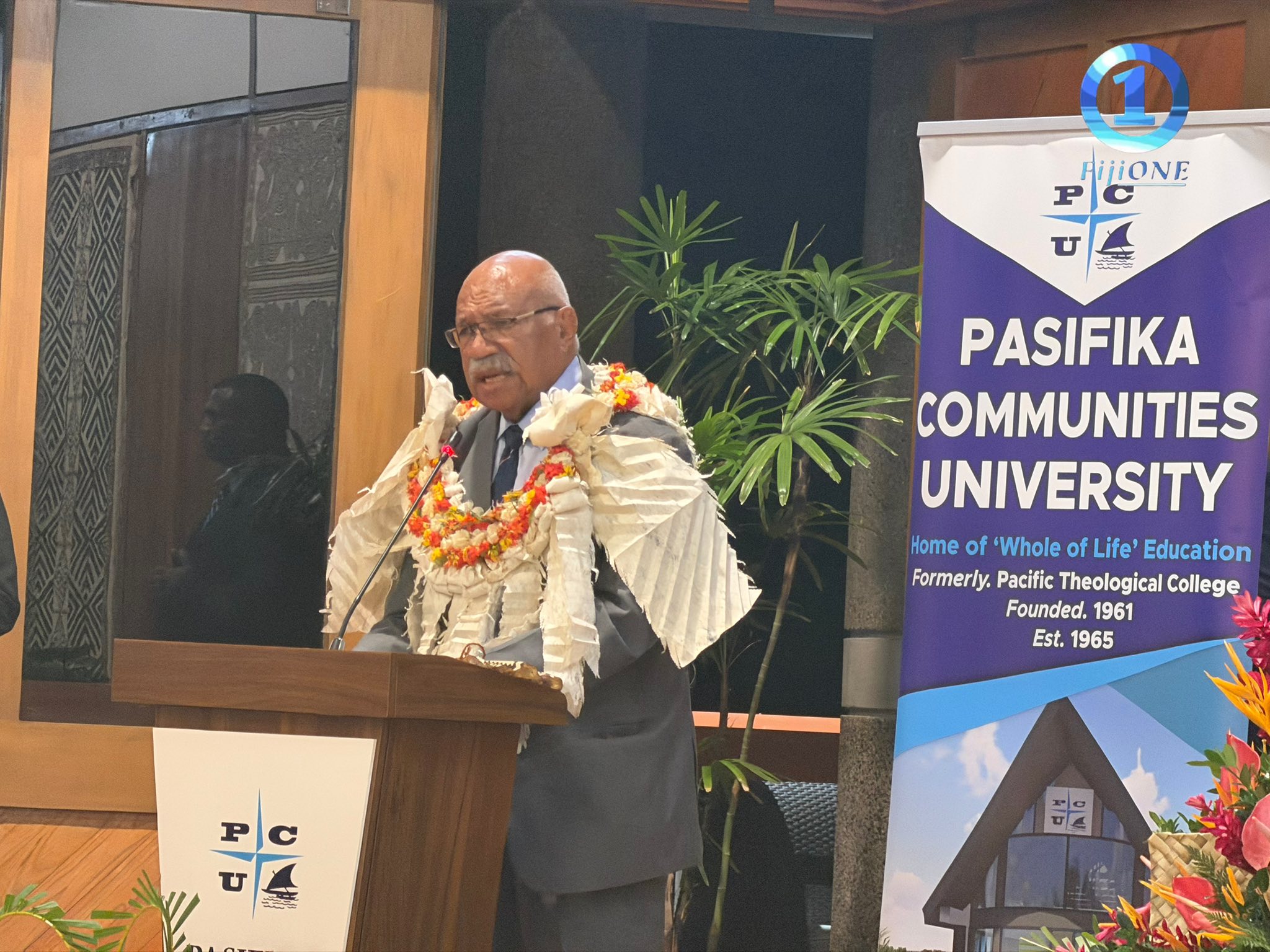
A newly launched publication is calling for a shift in how climate change is understood and addressed in the Pacific, placing culture, spirituality and community at the centre of global responses.
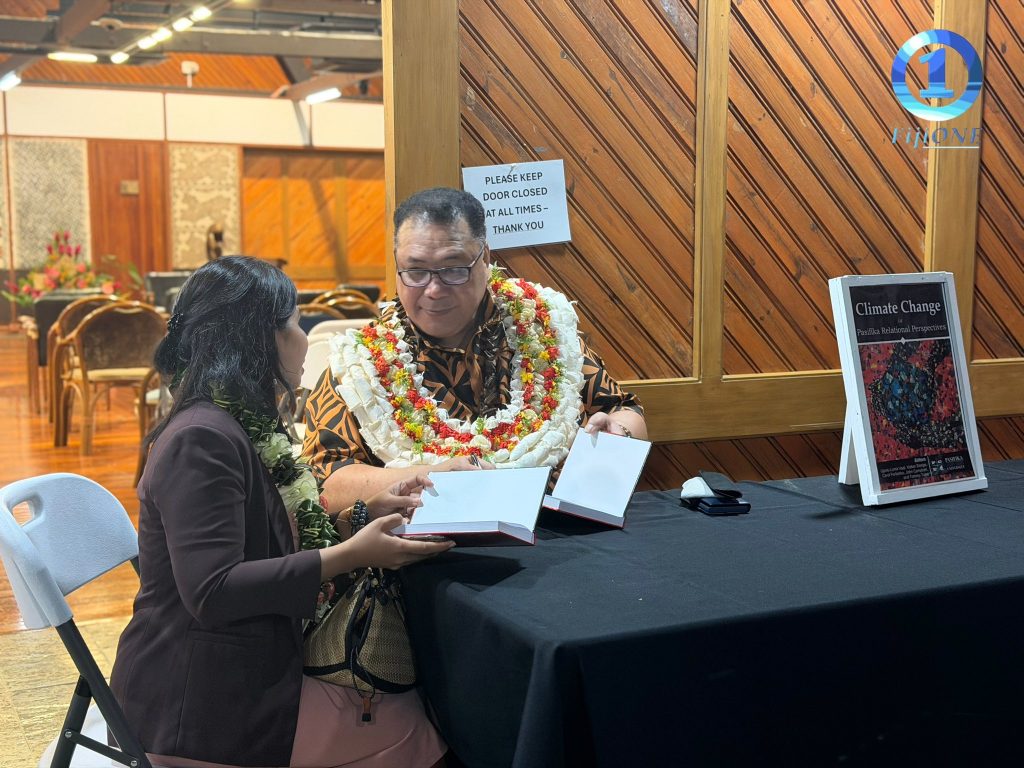
Prime Minister Sitiveni Rabuka officiated the launch of Climate Change in Pasifika Relational Perspectives, emphasising that Fiji’s response to climate change is deeply rooted in traditional values and ways of life.
Rabuka said climate change in the Pacific is not viewed in isolation, but through relationships with the vanua, the ocean, communities and faith.
“As we respond to the accelerating impact of climate change, it is important to reaffirm that our leadership is grounded in values that have long guided our people,” he said.
“For Fiji, climate change is not experienced in settings. It is encountered through our relationship with the vanua, with the ocean, with our community and our faith.”
He stressed that Pacific responses are shaped by spiritual responsibility, communal relationships and moral obligations, elements he described as critical in redefining leadership in the face of a global crisis.
Rabuka added the publication reinforces the need to integrate scientific knowledge with traditional systems, noting that while science provides clarity and direction, Pacific knowledge systems offer moral purpose and guidance.
“In redefining leadership, the Pacific asks not only how to address the climate crisis, but how to safeguard traditions for a good life and a good society in a changing world,” he said.
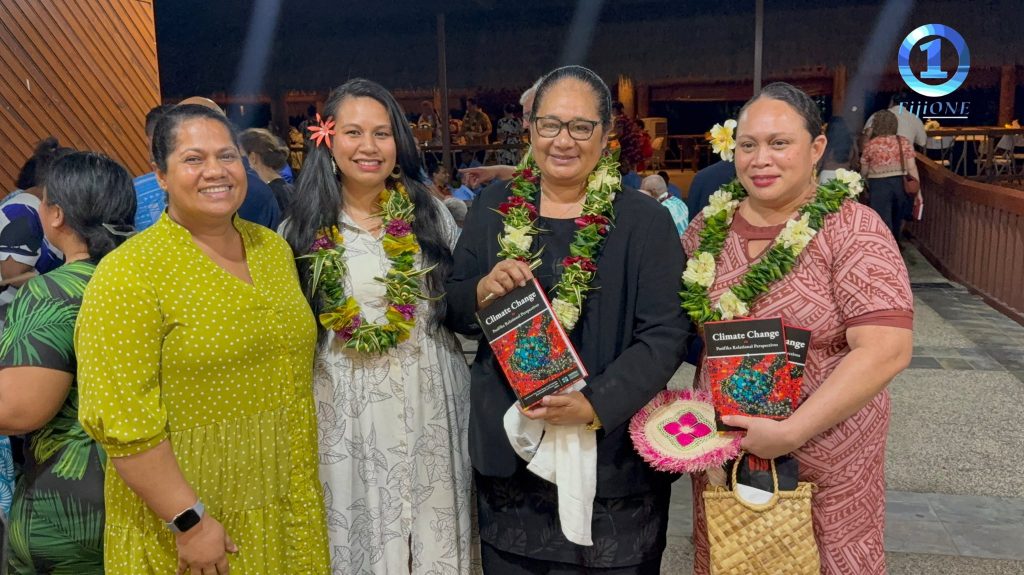
Co-editor and Vice Chancellor of Pacific Theological College, Upolu Luma Vaai, echoed similar sentiments, warning that climate responses risk missing the mark if they are disconnected from the lived realities and belief systems of Pacific people.
Vaai said Pasifika philosophies and spirituality remain essential in shaping meaningful and effective responses, particularly for communities most affected by climate change.
He added that returning to these foundations can generate new ideas and pathways for addressing the links between climate change, conflict, peace and security.
The publication brings together voices from across the region, including academics, policymakers, community leaders and practitioners, offering a holistic, “whole of life” perspective grounded in Pacific worldviews.
The book is a collaborative effort involving the Toda Peace Institute and aims to amplify Pacific-led thinking in global climate discourse.
The launch highlights a growing push from the region to ensure climate solutions are not only scientifically sound, but also culturally grounded and reflective of Pacific identity.
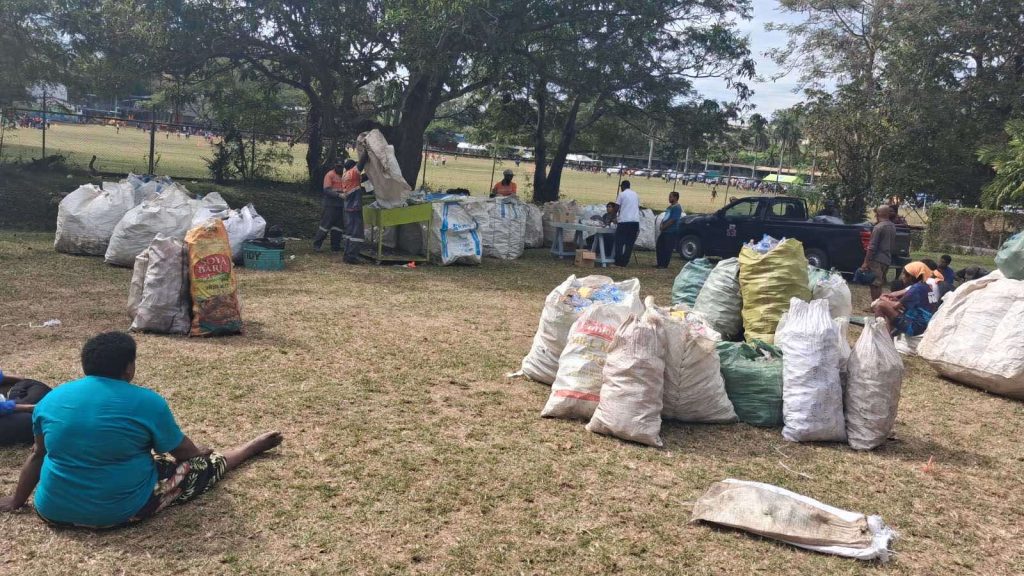
Families and Schools Driving Recycling Efforts
Jul 27, 2026, 02:06 PM
Stop, Think, Verify: Consumer Council urges Fijians to stay alert...
Jul 27, 2026, 01:56 PM
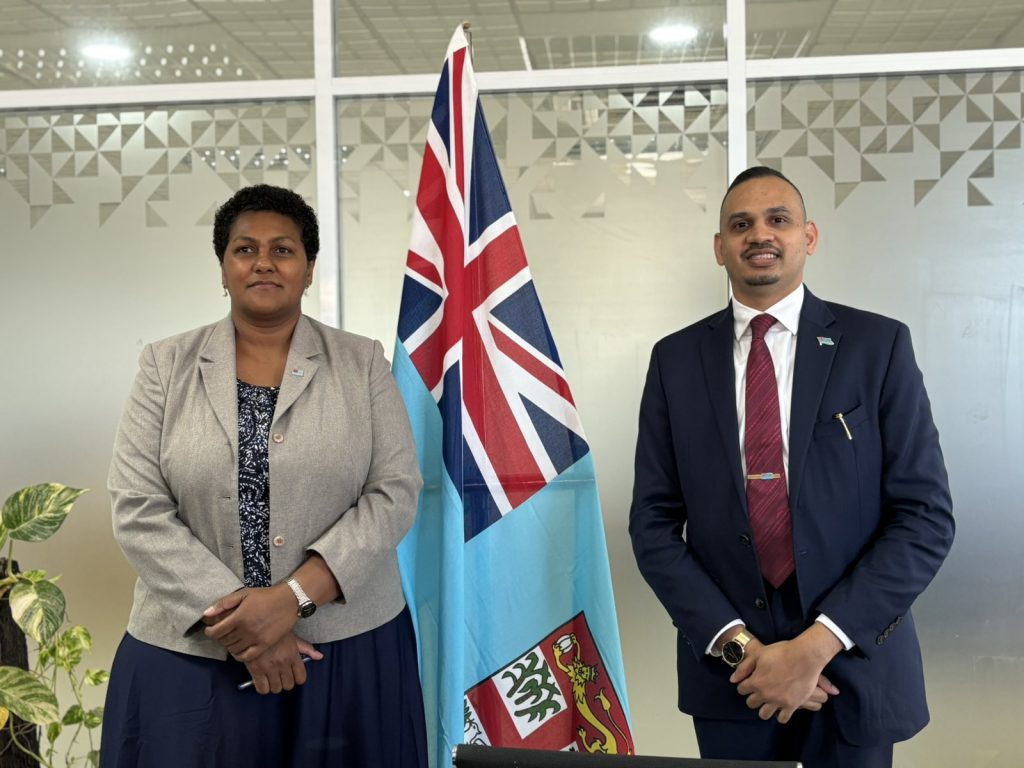
Vuda Waste-to-Energy Project Rejected on 21 grounds, PS Explains
Jun 04, 2026, 06:20 PM
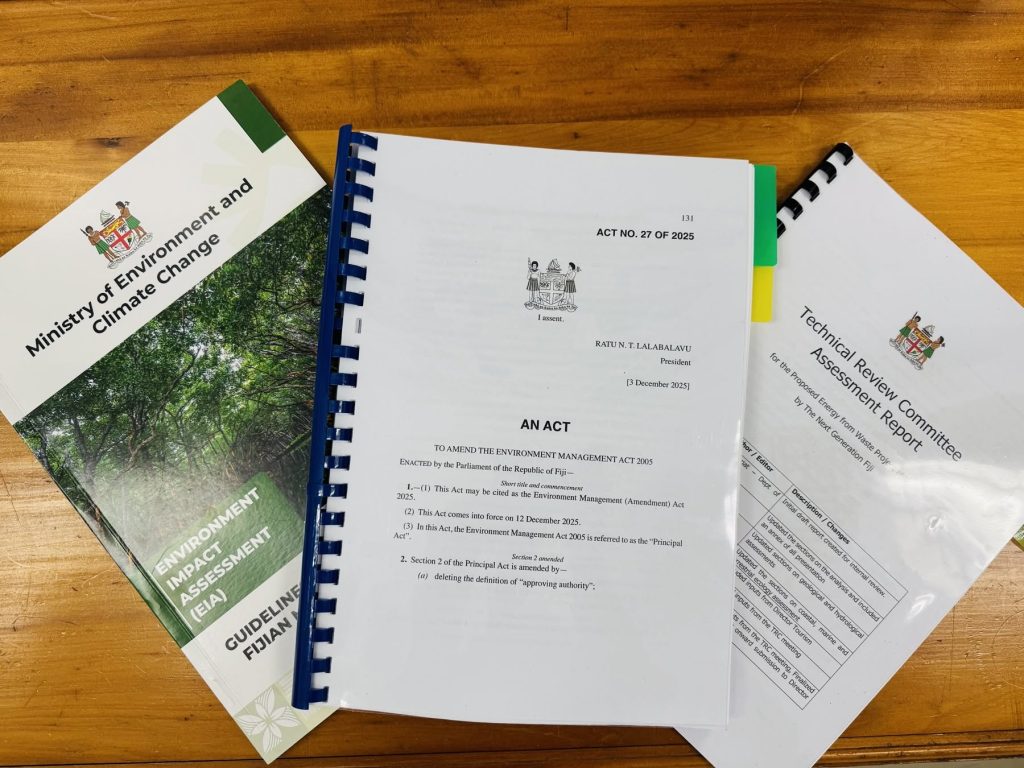
Proposed Energy-from-Waste Plant and Private Port Facility at Vuda Point...
Jun 04, 2026, 11:58 AM
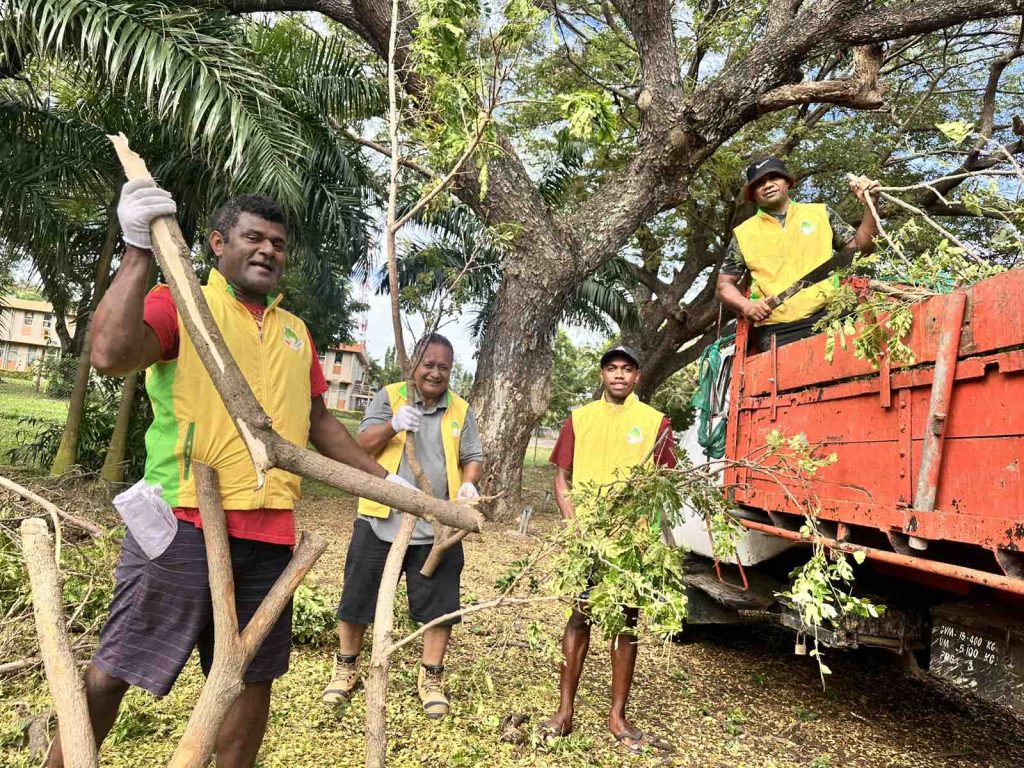
Volunteers clean up Shirley Park after TC Vaianu
Apr 14, 2026, 03:59 PM
Families and Schools Driving Recycling Efforts
Jul 27, 2026, 02:06 PM
Stop, Think, Verify: Consumer Council urges Fijians to stay alert...
Jul 27, 2026, 01:56 PM
Vuda Waste-to-Energy Project Rejected on 21 grounds, PS Explains
Jun 04, 2026, 06:20 PM
Proposed Energy-from-Waste Plant and Private Port Facility at Vuda Point...
Jun 04, 2026, 11:58 AM
Volunteers clean up Shirley Park after TC Vaianu
Apr 14, 2026, 03:59 PM
 Eparama Warua