In Fiji:

Source:RNZ
It all began with a toss of a ball and the smash of a tennis racquet.
The Cook Islands’ Nono Tani’s swift serve to her opponent at 9am on Thursday, August 29, 1963 thus kicked off the South Pacific Games in Suva.
Sixty years on the multi-sport event, now known as the Pacific Games, is a much-anticipated fixture, but with far more athletes and nations/territories competing than all those decades ago.
On that sunny morning, Mrs Tani and the Cook Islands won their mixed team game 8-0 against Western Samoa and would finish fourth, as Fiji took gold ahead of New Caledonia.
While the weather was typically tropical on the tennis courts that opening day, organisers had been concerned about the constant rain that had fallen on Suva in the run-up to the first day and affected some of the sports facilities.
The idea of holding the South Pacific Games came through Dr Abdul Habib Sahu Khan, a Fijian representative at the meeting of the South Pacific Commission in 1959.
His idea was adopted and led to representatives of nine territories meeting in Noumea in March 1961 with the Fiji delegate, Mr L.O. Simpson, being appointed the first chairman.
It seemed logical, given its founding role, that Fiji would be offered the honour of staging the first South Pacific Games, and the country gratefully accepted.
The event was not only an opportunity to give sports people in the region a chance to improve by competing against fellow island rivals; it was established to create friendship and brotherhood among the Pacific.
An action plan moved quickly: during 1962, the South Pacific Commission founded the South Pacific Games Council to organise the Games.
Organisers sought out regional expertise in organising the games with the 1962 Empire Games in Perth, Australia the model for their smaller-scale regional version.
The main venue, Buckhurst Park, was upgraded with a new concrete stand, among the numerous upgrades it received.
However, the lack of finance and expertise caused concern in the lead-up to the Games with the lack of coordination of national sporting bodies and problems in communication creating problems for the organising committee.
A significant step forward was appointing Englishman Francis Joseph Coyne, who had Olympic and Commonwealth games experience, as director in early 1963.
By late August organisers were confident they had everything in hand.
On the opening day a message was read out from Queen Elizabeth II wishing the Games the best.
“These Games are a new venture, and I am glad that they should first be held in a city of which my husband and I have such happy memories,” she wrote.
“I join with the Government and people of Fiji in welcoming the representatives of the many countries which are taking part in the Games. I am sure that they will form new friendships which will strengthen the close and happy relations which exist between Fiji and her neighbours in the Pacific.”
On the eve of the opening ceremony, it was noted by the AAP news agency, of “problems” over flags and anthems. Of the 13 teams there were only two independent nations – Tonga and Western Samoa. The others were British, French or American territories at the time.
That, the reporter said, would lead to La Marseillaise and God Save the Queen being regularly sung at medal ceremonies, accompanied by the flying of Union Jacks and Tricolours. The reporter did also note that the organisers had suggested that each territory bring along its own anthem and flag.
Thirteen nations contested those inaugural Games – Papua New Guinea, British Solomon Islands, New Hebrides (now Vanuatu), Nauru, New Caledonia, Gilbert and Ellice Islands (now Kiribati), Fiji, Tonga, Western Samoa, American Samoa, Niue, the Cook Islands and French Polynesia.
A total of 646 athletes (516 men, 130 women) were sent along with 99 officials.
There was some logistical issues for some teams, with the Nauru squad of 16 athletes and two officials navigating a route involving boats and planes via Melbourne and Canberra to get to and from Suva.
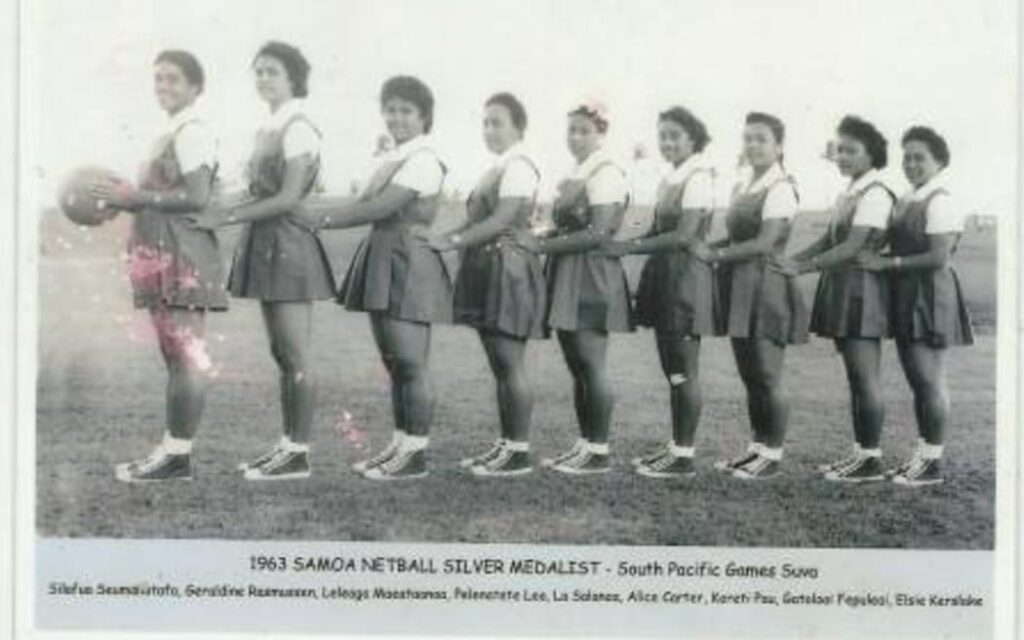
The athletes competed for medals in nine sports – football, basketball, volleyball, swimming, athletics, rugby, boxing, tennis and table tennis.
There were some anomalies; for example, the men’s basketball was held indoors, while the women’s event was played on outdoor grass courts at Albert Park.
Sundar Pleads Not Guilty to Allegedly Killing his Grandfather
Jun 08, 2026, 04:22 PM
First Woman Chairs Pacific Weather Initiative
Jun 08, 2026, 01:03 PM
Drova Returns Home for Fiji FACT
Jun 08, 2026, 12:50 PM
Tavela Settlement Upgrade Completed
Jun 08, 2026, 11:58 AM
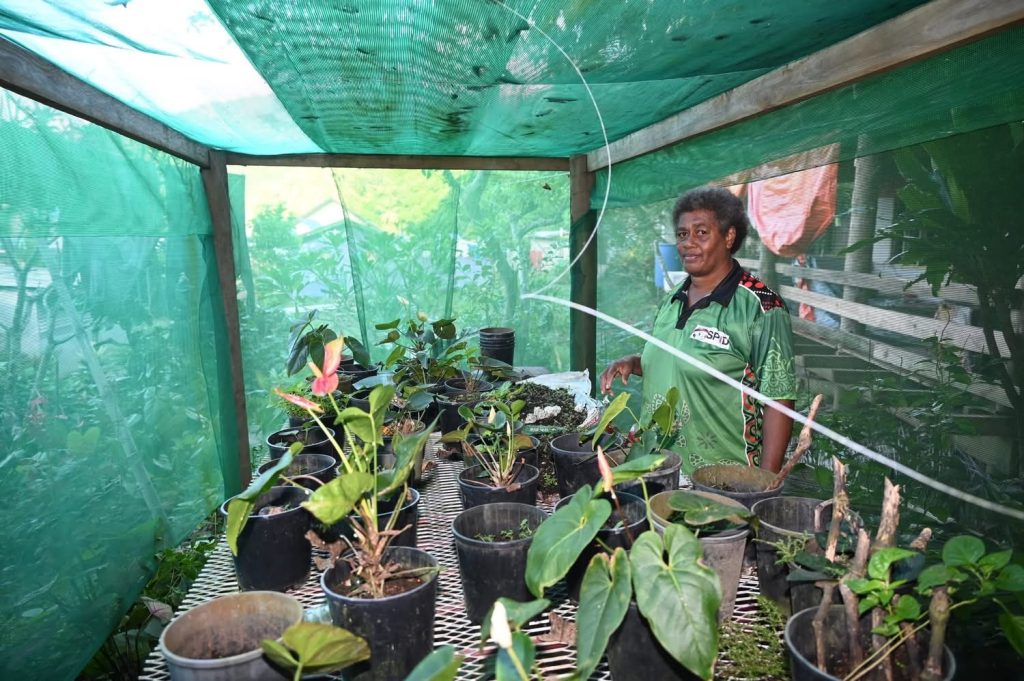
Beqa Women Grow Floriculture Success
Jun 08, 2026, 11:44 AM
Sundar Pleads Not Guilty to Allegedly Killing his Grandfather
Jun 08, 2026, 04:22 PM
First Woman Chairs Pacific Weather Initiative
Jun 08, 2026, 01:03 PM
Drova Returns Home for Fiji FACT
Jun 08, 2026, 12:50 PM
Tavela Settlement Upgrade Completed
Jun 08, 2026, 11:58 AM
Beqa Women Grow Floriculture Success
Jun 08, 2026, 11:44 AM
 Fiji One News Team