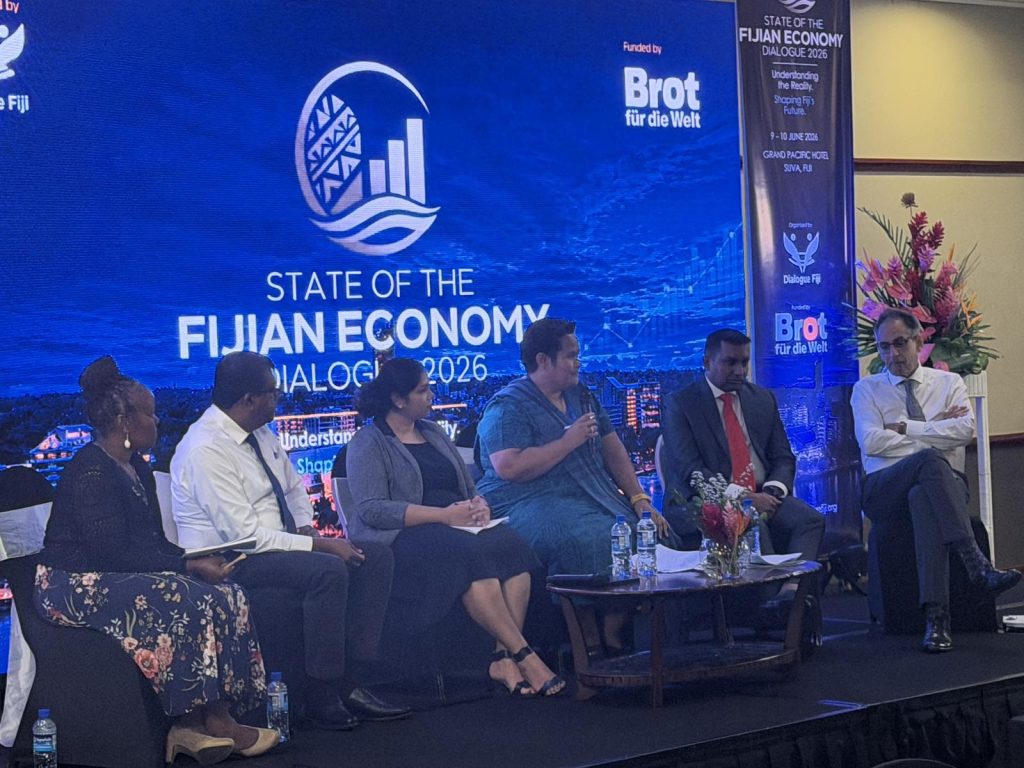
In Fiji:

The United States Federal Reserve is expected to cut its benchmark interest rate for the second time this year; a move designed to support economic growth as inflation in the world’s largest economy continues to cool.
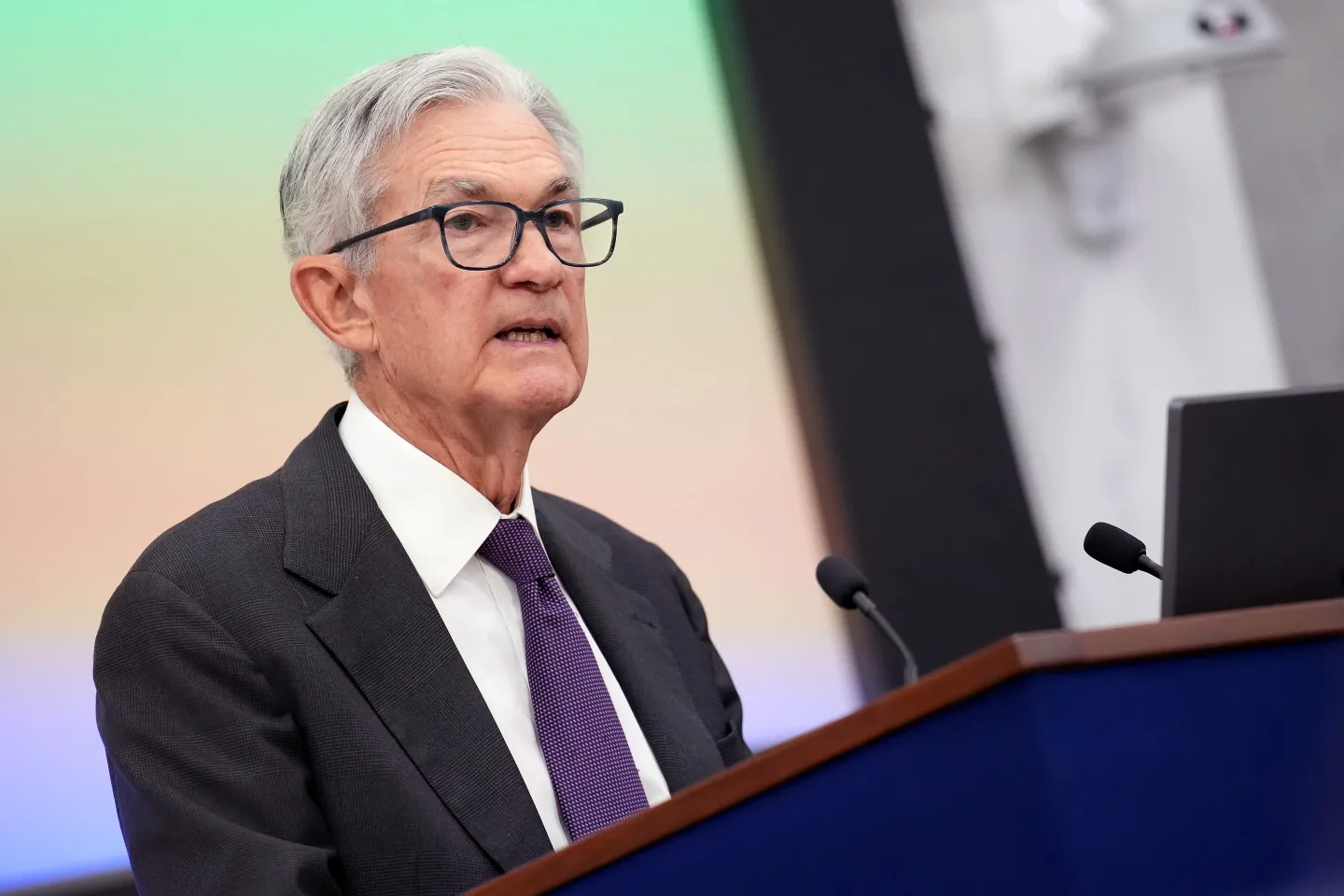
Jerome Powell, the Federal Reserve Chair held a news conference this morning to discuss the lowering their benchmark lending rate to a range between 3.75% and 4%, the lowest in three years. Last month, when Powell announced the Fed’s first rate cut of 2025, he indicated the central bank’s growing concern about a sharp slowdown in the labor market.
“In this less dynamic and somewhat softer labor market, the downside risks to employment appear to have risen,” he said in September.
While the decision may appear distant, its effects could reach small Pacific nations like Fiji, influencing tourism, borrowing costs, and the prices of everyday goods.
A weaker US dollar, which often follows a rate cut, could also help stimulate tourism. Americans may find international travel more affordable, and stronger Australian and New Zealand currencies could further lift visitor arrivals to Fiji; one of the country’s most important sources of foreign exchange.
It could also mean that the imports may temporarily become cheaper; The Fijian dollar is pegged to a basket of major currencies, including the US dollar. If the US dollar weakens, imported goods such as fuel, vehicles, and machinery may become slightly cheaper, easing short-term inflation pressures.
However, analysts caution that this effect may not last long. Increased global liquidity often pushes commodity prices higher in the months that follow, particularly for oil and food, which could reverse the initial relief; While the rate cut may bring short-term advantages, several long-term challenges could arise for Fiji’s small, import-dependent economy.
1. Imported Inflation
If the US dollar weakens significantly, it could drive up global prices for essential goods.
Fiji, which relies heavily on imported fuel and food, may experience rising domestic prices over time.
2. Pressure on Foreign Reserves
Large movements of global capital could affect exchange rates and place pressure on the Fijian dollar’s peg. The Reserve Bank of Fiji may need to manage foreign reserves carefully to maintain currency stability and protect against external shocks.
3. Risk of Rising Debt
Lower global interest rates can encourage borrowing by both governments and businesses.
If interest rates increase again in the future, repayment costs could rise, especially for foreign-currency loans.
4. Slower Global Growth
The Federal Reserve’s decision to lower rates often reflects a slowdown in the US economy.
If global growth weakens, demand for exports and tourism could decline, impacting Fiji’s external earnings.
Balancing Opportunity and Risk
The overall outlook for Fiji is mixed. In the short term, cheaper borrowing costs and improved tourism prospects could support economic activity. In the longer term, Fiji will need to manage inflation risks, protect foreign reserves, and avoid excessive debt to maintain stability.

Temporary Taxi Fare Increase from July
Jun 25, 2026, 06:02 PM

Ali Responds to Tudravu and Tikoduadua Remarks
Jun 25, 2026, 02:10 PM

NEAC Calls for Stronger Constitutional Safeguards for Children
Jun 25, 2026, 01:48 PM

Tamania Homestay Expansion Boosts Local Tourism in Rotuma
Jun 25, 2026, 01:02 PM

Murder Accused Still Unfit to Stand Trial
Jun 25, 2026, 12:32 PM
Temporary Taxi Fare Increase from July
Jun 25, 2026, 06:02 PM
Ali Responds to Tudravu and Tikoduadua Remarks
Jun 25, 2026, 02:10 PM
NEAC Calls for Stronger Constitutional Safeguards for Children
Jun 25, 2026, 01:48 PM
Tamania Homestay Expansion Boosts Local Tourism in Rotuma
Jun 25, 2026, 01:02 PM
Murder Accused Still Unfit to Stand Trial
Jun 25, 2026, 12:32 PM
 Fiji One News Team