In Fiji:

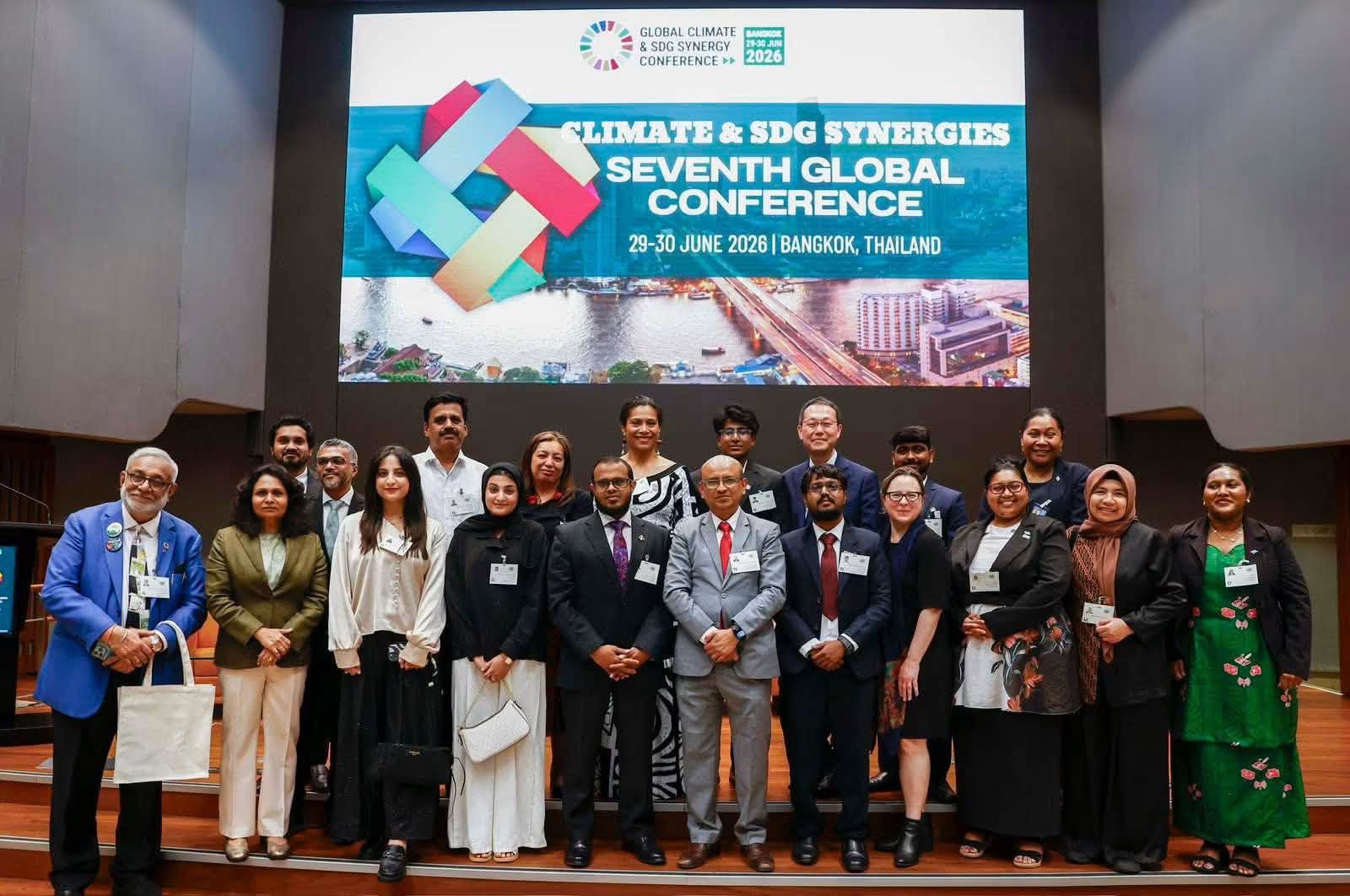
Fiji has renewed its call for Indigenous knowledge to be recognised as a key pillar of global climate action while advocating for stronger climate justice, improved energy resilience and increased support for Small Island Developing States (SIDS).
Addressing the Ministerial Roundtable on Climate Justice, Energy Resilience and SIDS at the United Nations Conference Centre in Bangkok, Pacific Small Island Developing States (PSIDS) Chair and Minister for Information, Environment and Climate Change, Hon. Lynda Tabuya, said Indigenous knowledge systems have enabled Pacific communities to live in harmony with nature for generations and should be integrated with scientific approaches to tackle climate change.
Hon. Tabuya stressed that Indigenous Peoples are rights holders whose knowledge has protected both communities and the environment for centuries, and deserves greater recognition in shaping climate solutions.
She also urged the international community to increase climate finance, strengthen equitable partnerships and invest in practical measures to improve energy resilience. Drawing on Fiji’s recent fuel crisis, she noted that disrupted shipping services left maritime communities, including her home province of Kadavu, without reliable transport for produce and limited their ability to preserve food, exposing the challenges faced by islands that remain dependent on fossil fuels.
The Minister highlighted Fiji’s Rural Electrification Fund, which is expanding access to solar mini-grid systems in remote maritime communities, while reaffirming the country’s commitment to a fair global transition away from fossil fuels through technology transfer, capacity building and international cooperation.
Hon. Tabuya further called for reforms to the global financial system to improve access to concessional climate funding, increase support for adaptation and loss and damage initiatives, and help keep the 1.5°C climate goal within reach.
The roundtable brought together ministers from fellow Small Island Developing States, including the Maldives, along with senior United Nations officials and development partners to explore collaborative approaches to climate resilience, energy security and sustainable development.

Gokals Launches Fujitsu Air Conditioning, Focusing on Customer Needs and...
Oct 20, 2026, 04:50 PM

SPX Opens Entries for 2026 Corporate Excellence Awards
Oct 20, 2026, 03:08 PM

Woolworths partners Rugby World Cups in Australia
Oct 20, 2026, 02:47 PM
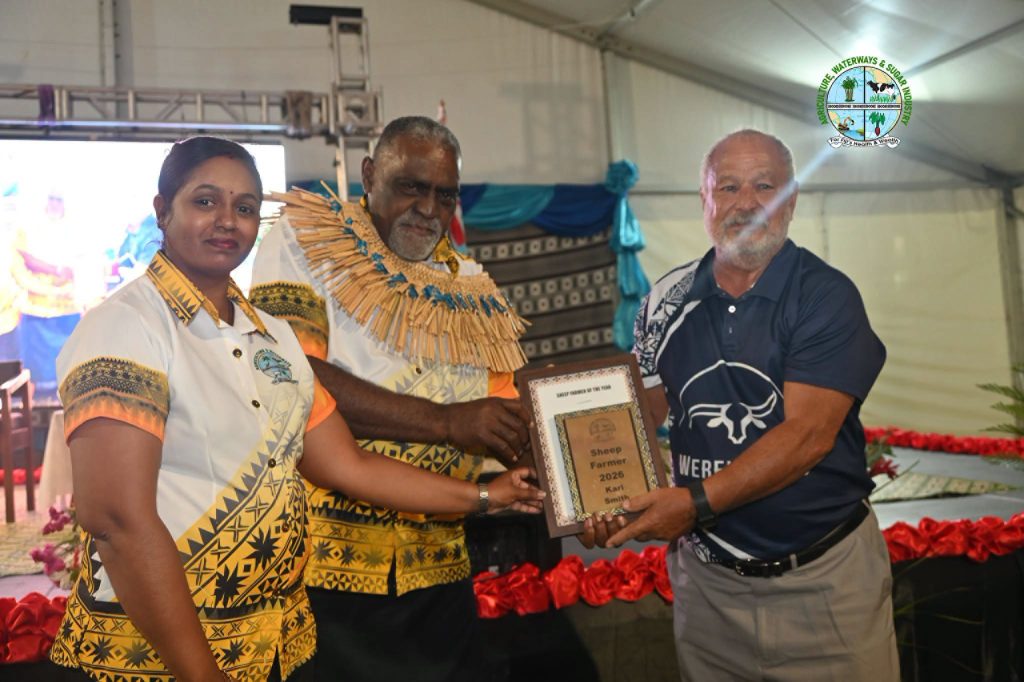
At 71 Karl Smith Continues to Thrive in Farming
Oct 20, 2026, 02:44 PM
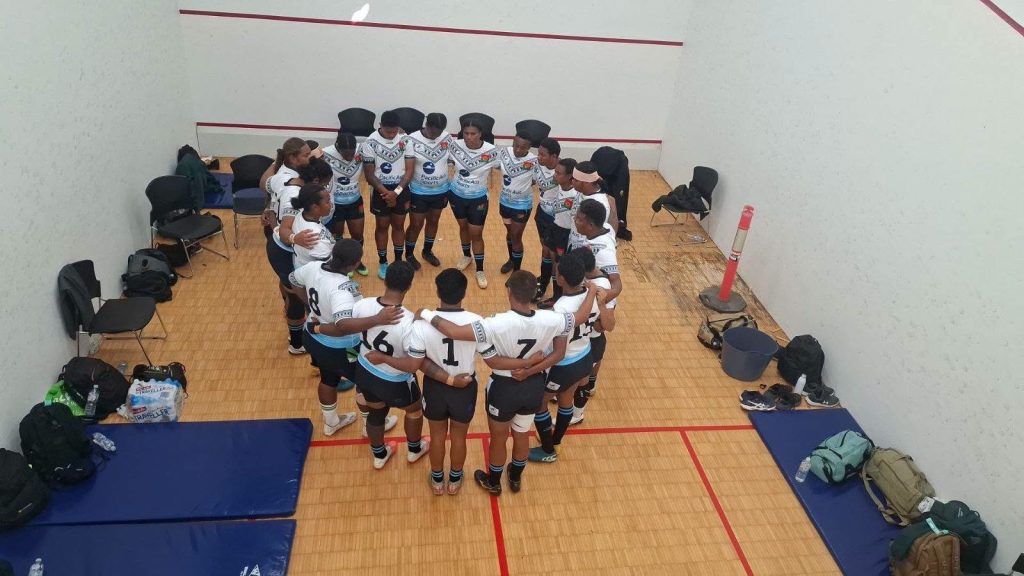
RFMF Women Secure Defence Pacific Cup Series
Oct 20, 2026, 02:31 PM
Gokals Launches Fujitsu Air Conditioning, Focusing on Customer Needs and...
Oct 20, 2026, 04:50 PM
SPX Opens Entries for 2026 Corporate Excellence Awards
Oct 20, 2026, 03:08 PM
Woolworths partners Rugby World Cups in Australia
Oct 20, 2026, 02:47 PM
At 71 Karl Smith Continues to Thrive in Farming
Oct 20, 2026, 02:44 PM
RFMF Women Secure Defence Pacific Cup Series
Oct 20, 2026, 02:31 PM
 Fiji One News Team