In Fiji:


The Fiji Commerce and Employers Federation has welcomed the 2026-2027 National Budget, describing it as a fair and responsible package that balances economic realities with the need to support businesses and vulnerable Fijians.
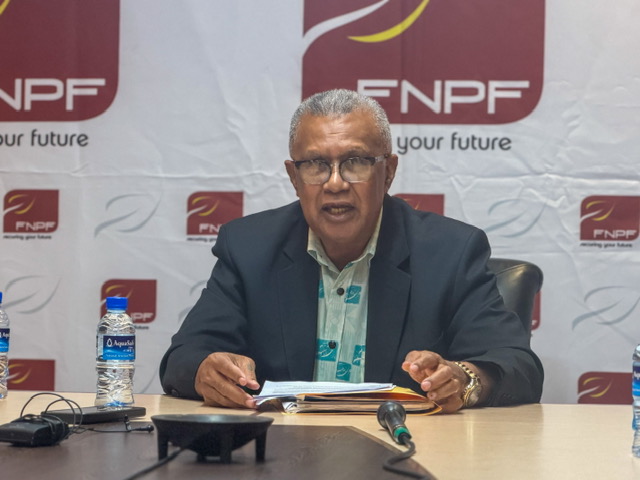
FCEF Chief Executive Officer Edward Bernad says the budget is not a typical election-year budget, but instead takes a measured approach by providing targeted assistance to key sectors while recognising the limited fiscal space available to Government and the continuing impact of the global fuel crisis.
From a private sector perspective, Bernad says one of the biggest positives is the Government’s decision not to increase the corporate tax rate, while maintaining a focus on productivity-linked wage policies and partially reinstating the employers’ training levy.
He says businesses will also benefit from several measures aimed at reducing the high cost of operations.
These include the extension of fuel duty exemptions for eligible hotels, manufacturers and mining operations, as well as the continuation of diesel duty concessions for bus operators, shipping services, Energy Fiji Limited, manufacturers, mining companies and qualifying hotels until 31 October 2026.
Bernad says the temporary reduction in mandatory employer contributions to the Fiji National Provident Fund from 10 percent to 8 percent is expected to generate around $100 million in savings for employers over the next 12 months, providing additional support for business recovery, investment and job retention.
The budget also lowers customs tariffs on a range of imported goods, including construction materials, passenger vans, surveillance cameras and selected food products, which FCEF believes will help reduce costs across several industries.
The federation has also welcomed the Government’s increased investment in workforce development.
Funding for the Training Grant Scheme will rise from 0.1 percent to 0.5 percent, increasing available funding to around $15 million, while new tax incentives have been introduced to encourage businesses to establish training and technical centres.
Tax deductions supporting apprenticeships, work placements, part-time employment and the hiring of persons with disabilities have also been extended.
FCEF says the budget also strengthens investor confidence through new tax holidays for major investments in sectors such as cement manufacturing, mahogany processing and joint venture tourism projects involving iTaukei ownership.
The federation has further welcomed new tax incentives under the Access to Business Funding framework, including support for peer-to-peer lending and equity crowdfunding platforms, saying the measures will improve access to finance for businesses.
Bernad says FCEF looks forward to working closely with Government to ensure the budget measures deliver meaningful economic benefits for businesses, workers and communities throughout Fiji.

Fiji Moves to Build Pineapple Export Brand
Oct 15, 2026, 04:16 PM

FDB and Dairy Cooperative partner to improve farmers’ access to...
Oct 15, 2026, 04:11 PM

Colgate-Palmolive promotes handwashing habits among young children
Oct 15, 2026, 11:09 AM

Navakaka Women Build Livelihoods Through Tradition
Oct 05, 2026, 01:17 PM

Women urged to build confidence and knowledge behind the wheel
Sep 19, 2026, 05:49 PM
Fiji Moves to Build Pineapple Export Brand
Oct 15, 2026, 04:16 PM
FDB and Dairy Cooperative partner to improve farmers’ access to...
Oct 15, 2026, 04:11 PM
Colgate-Palmolive promotes handwashing habits among young children
Oct 15, 2026, 11:09 AM
Navakaka Women Build Livelihoods Through Tradition
Oct 05, 2026, 01:17 PM
Women urged to build confidence and knowledge behind the wheel
Sep 19, 2026, 05:49 PM
 Eparama Warua