In Fiji:


A routine school health screening has uncovered a serious heart condition in a 13 year old boy who showed no obvious signs of illness.
Ilivema Rakotina says her son, Dakuitoga Ratu, was healthy, active and regularly played rugby and swam, so she was surprised when a school screening identified a possible heart problem.
The screening was conducted by the Sai Prema Foundation team, leading to further medical examinations which revealed a hole in his heart.
Rakotina admits she was initially reluctant to accept the findings because her son appeared perfectly healthy.
“I didn’t accept it because I know he’s very healthy,” Rakotina said.
However, doctors later explained that the condition could cause complications later in life if left untreated.
Ratu underwent an atrial septal defect (ASD) device closure procedure at the Sri Sathya Sai Sanjeevani Children’s Hospital on September 2.
The catheter-based procedure meant he did not require open-heart surgery and he was discharged on the same day.
Rakotina says the experience has changed her view of the importance of school health screenings.
She is now urging other parents to give consent when health teams visit schools and, importantly, to follow up when their children are referred for further assessment.
“If your child is being screened and you are told to come here, please do. It’s nothing to be scared of,” she said.
Her concern was also partly financial, as she initially worried about how her family would afford the treatment.
She later learned that the care provided through the hospital was free of charge.
“I found out everything here is free of charge. You just have to come with your child and some clothes. Everything else is provided here,” she said.
Another mother, Ranige Fesaitu, also experienced the importance of early medical intervention after her daughter, Elizabeth Fesaitu, was diagnosed with a hole in her heart shortly after birth.
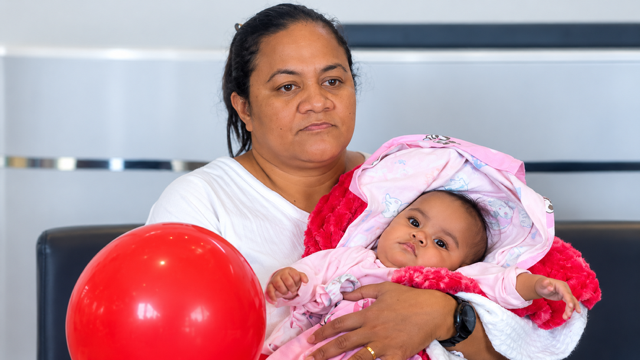
Elizabeth was initially monitored because the hole was small, but concerns grew when she was not gaining weight as expected.
Following months of reviews at Colonial War Memorial Hospital and Sai Sanjeevani, the family was advised to proceed with a minimally invasive heart procedure.
Fesaitu says she was relieved her daughter would not need open-heart surgery.
Both mothers say their experiences highlight the importance of detecting health conditions early and not ignoring referrals.
For Rakotina, the discovery of her son’s condition is a reminder that children can have serious health problems even when they appear completely healthy.
She hopes her experience will encourage more parents to overcome their fears and allow their children to be screened.
The message from both families is clear, and that is early detection can make a significant difference, and parents should not ignore opportunities to have their children checked.
By Prishanta Sharma
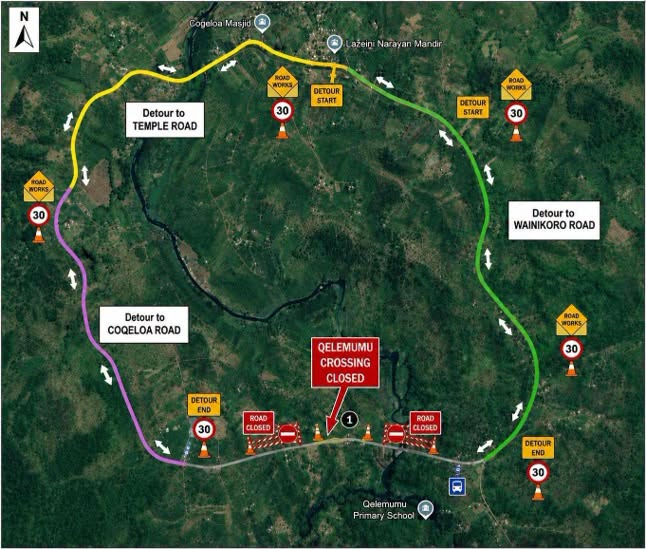
Qelemumu Crossing To Close For Maintenance
Sep 07, 2026, 11:32 AM

Paddle for Hope Takes Ocean Message Around Viti Levu
Sep 07, 2026, 11:04 AM
Indonesia Volcano Eruption Disrupts Hundreds Of Flights
Sep 07, 2026, 10:56 AM
Fiji, UAE Explore Health Cooperation
Sep 07, 2026, 10:45 AM
Mini Kulas Crush Cook Islands 11-0
Sep 07, 2026, 10:37 AM
Qelemumu Crossing To Close For Maintenance
Sep 07, 2026, 11:32 AM
Paddle for Hope Takes Ocean Message Around Viti Levu
Sep 07, 2026, 11:04 AM
Indonesia Volcano Eruption Disrupts Hundreds Of Flights
Sep 07, 2026, 10:56 AM
Fiji, UAE Explore Health Cooperation
Sep 07, 2026, 10:45 AM
Mini Kulas Crush Cook Islands 11-0
Sep 07, 2026, 10:37 AM
 Fiji One News Team