In Fiji:


The Government is proposing changes to the way Fiji’s yaqona industry is managed through the Yaqona (Kava) Bill 2026, which includes plans to establish a Fiji Yaqona Council.
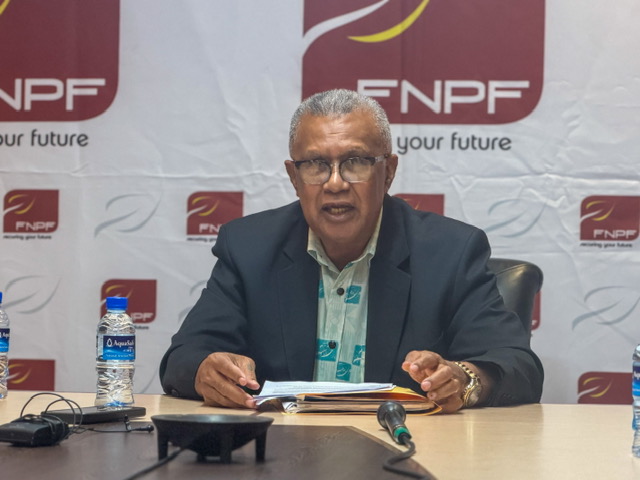
Speaking in Parliament during the Bill’s Second Reading, Agriculture, Waterways and Sugar Industry Minister Tomasi Tunabuna said the proposed framework would strengthen farmers’ representation while improving quality, traceability, market confidence and coordination across the industry.
The 2024 National Yaqona Farming Household Census recorded 14,532 yaqona farming households and 17,200 farmers. About 93 percent of these households rely on yaqona as their main source of income.
Yaqona exports have also grown significantly, increasing from around 137 tonnes valued at FJ$6.6 million in 2013 to about 1,016 tonnes worth FJ$79.1 million in 2025.
The proposed council would include farmers, processors, exporters and relevant Government agencies, with responsibilities covering industry development, research, standards, registration, coordination and market development.
The Bill also proposes a mandatory Working Group to provide representation for yaqona operators from Fiji’s provinces.
Tunabuna said the new system should not create unnecessary difficulties for smallholder farmers, women, young farmers or maritime communities.
Government support has included the distribution of close to one million yaqona cuttings and 78 physical assets between 2023–24 and 2025–26 to support production and post-harvest handling.
Funding for the Yaqona Farming Programme increased from FJ$0.5 million in 2024–25 to FJ$1.955 million in 2025–26, while a further FJ$782,600 was allocated for yaqona research and development.
Tunabuna said improving the industry would require more than legislation, with farmers also needing knowledge, infrastructure and access to markets.
Weak climate deal worse than no deal - Environment PS
Oct 03, 2026, 11:09 AM
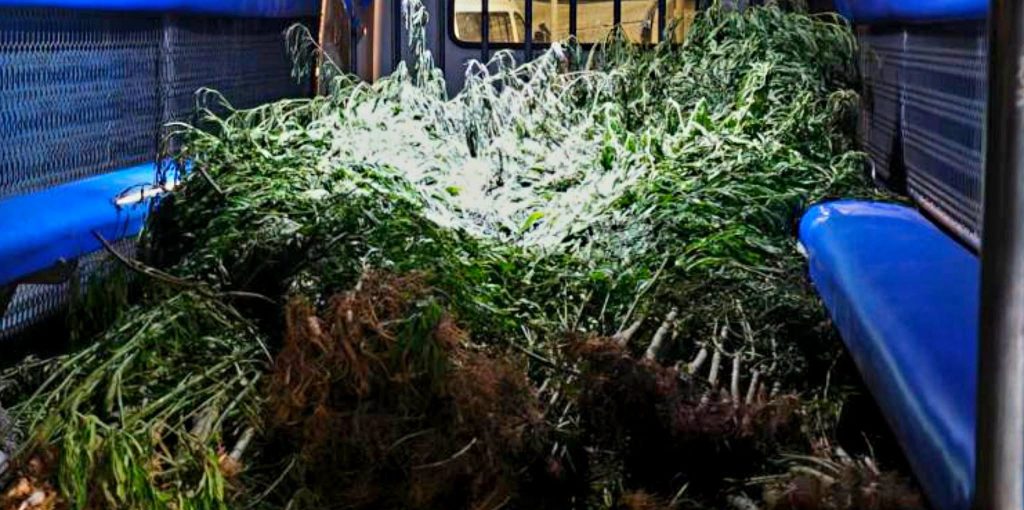
Over 11,000 Suspected Marijuana Plants Uprooted
Oct 03, 2026, 10:32 AM
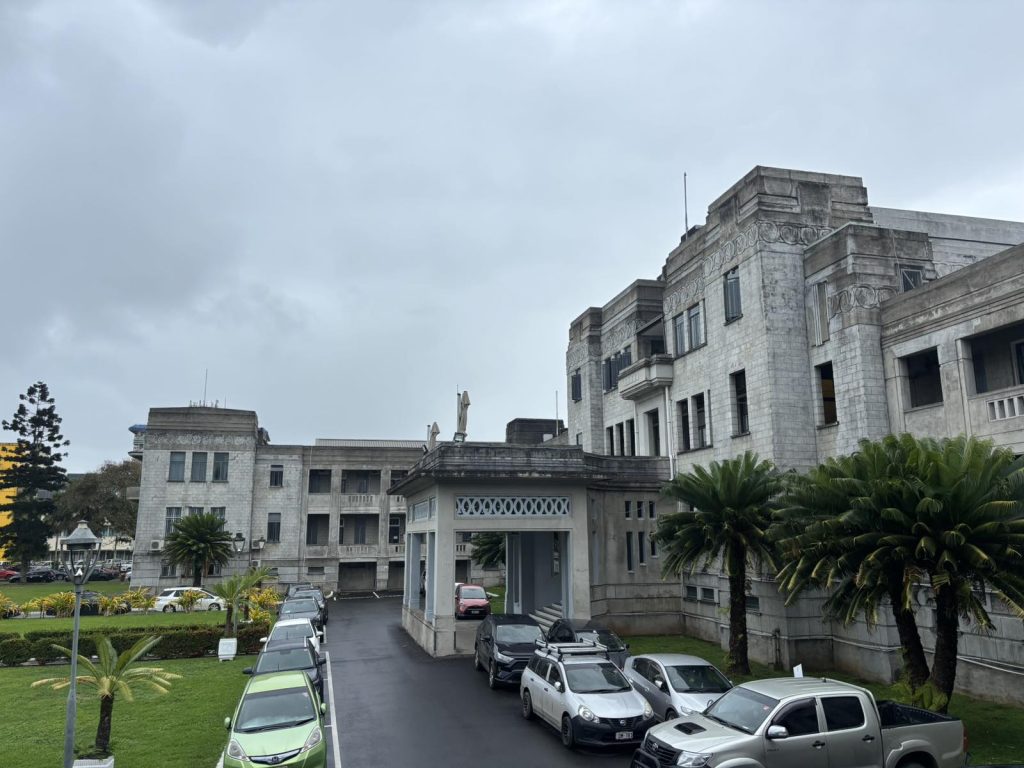
Suva High Court Exhibit Tampering Probe Continues
Oct 03, 2026, 10:13 AM

Officer Interdicted Over Serious Child Assault Case
Oct 03, 2026, 09:57 AM
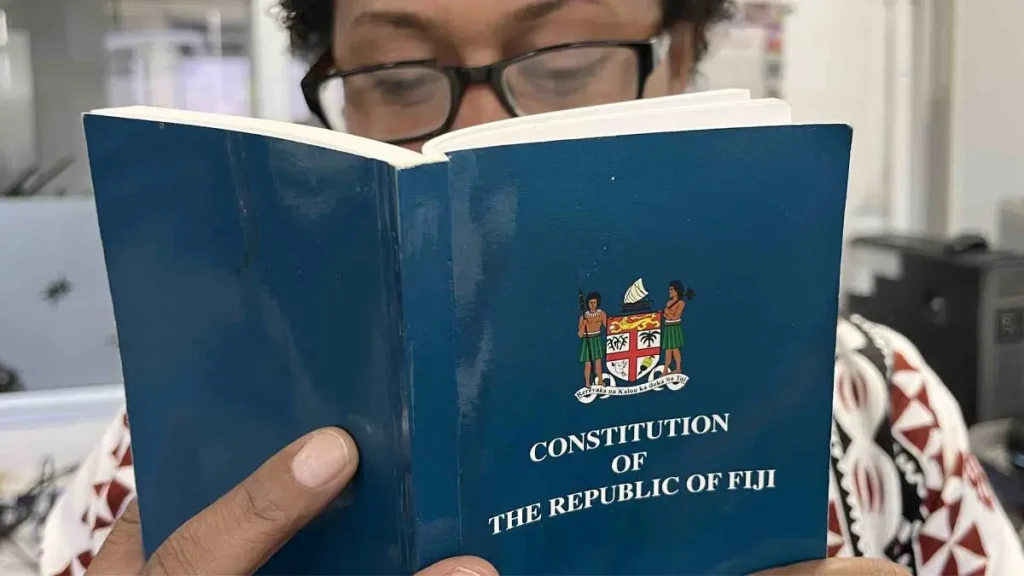
Rabuka: Constitution amendment process must remain in the hands of...
Oct 02, 2026, 07:52 PM
Weak climate deal worse than no deal - Environment PS
Oct 03, 2026, 11:09 AM
Over 11,000 Suspected Marijuana Plants Uprooted
Oct 03, 2026, 10:32 AM
Suva High Court Exhibit Tampering Probe Continues
Oct 03, 2026, 10:13 AM
Officer Interdicted Over Serious Child Assault Case
Oct 03, 2026, 09:57 AM
Rabuka: Constitution amendment process must remain in the hands of...
Oct 02, 2026, 07:52 PM
 Fiji One News Team