In Fiji:

The Fijian Competition and Consumer Commission (FCCC) is assessing a request by Energy Fiji Limited (EFL) to increase the electricity fuel surcharge by an additional 6.34 cents per kilowatt-hour (kWh), amid worsening dry conditions and rising reliance on fuel-powered electricity generation.
If approved in full, the proposed increase would raise the total fuel surcharge from the existing 5.91 cents to 12.25 cents per kWh.
However, FCCC has clarified that the request has not been approved, and the existing surcharge of 5.91 cents per kWh will remain in place until 31 December 2026 while the assessment continues.
In its submission dated 20 November 2026, EFL attributed the request to declining water levels affecting hydroelectric generation, increased fuel consumption and international fuel price pressures linked to geopolitical tensions.
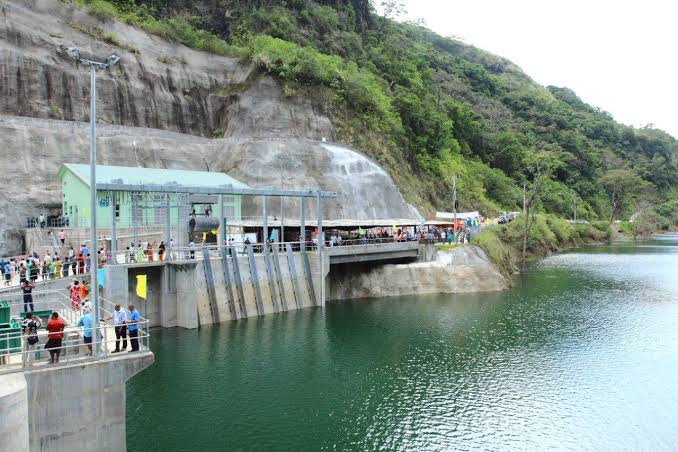
According to EFL, rainfall recorded at Monasavu up to 16 November stood at 84.7 millimetres, representing approximately 34.1 per cent of the long-term average of 248.4 millimetres.
The reduced rainfall has affected water availability for hydroelectric generation, forcing greater reliance on fuel-powered generation to meet electricity demand.
EFL says the combined impact of increased fuel consumption and higher international fuel costs is raising its electricity generation expenses and placing pressure on its cash flow and ability to maintain a reliable power supply.
The request comes as Fiji continues to experience El Niño-related drought conditions, following the Government’s declaration of a National State of Disaster covering the entire country on 18 November 2026.
FCCC says it will independently examine EFL’s submission before making any regulatory determination.
The assessment will consider fuel purchasing costs, consumption levels, changes in the electricity generation mix, demand and revenue already recovered through the existing surcharge.
The Commission will also assess whether the additional costs are justified, supported by verifiable records and consistent with the regulatory framework.
FCCC says it recognises the potential impact of higher electricity costs on households and businesses, particularly across key sectors such as manufacturing, agriculture, tourism, retail and transport.
It says its assessment will balance consumer affordability with EFL’s financial sustainability and the need to maintain a reliable electricity supply.
Meanwhile, households and businesses are being encouraged to reduce unnecessary electricity consumption during the dry period to help manage power bills and ease pressure on the electricity system.
FCCC says it will keep the public informed as its assessment progresses.
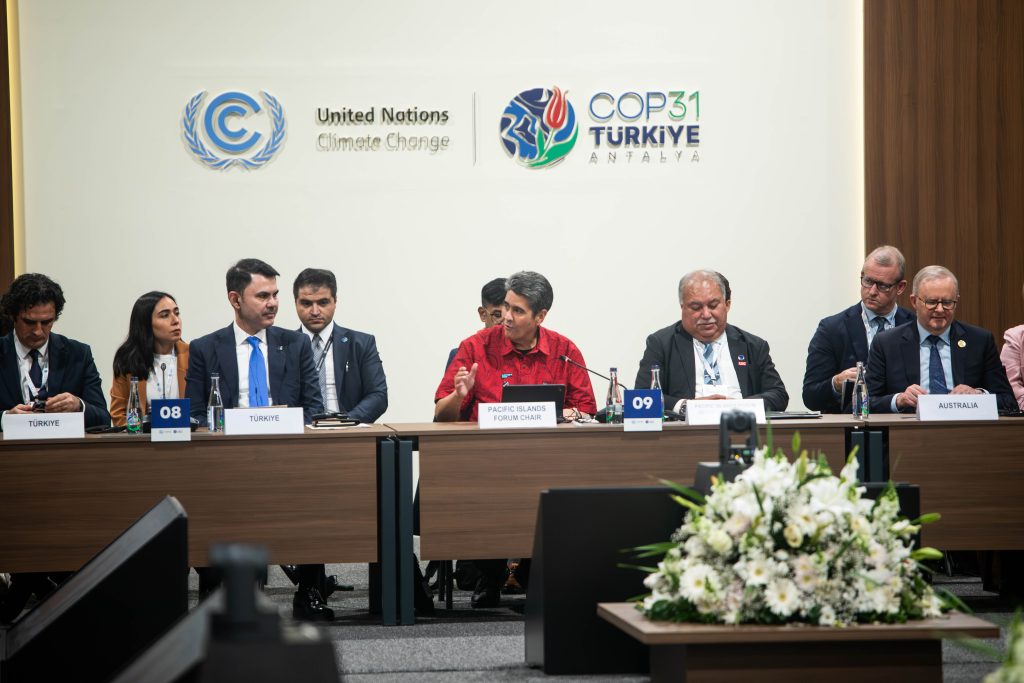
Pacific Resilience Facility launches US$500 million funding campaign at COP31
Nov 23, 2026, 08:37 AM

COP31: Pacific pushes to protect 1.5-degree target
Nov 21, 2026, 06:38 PM
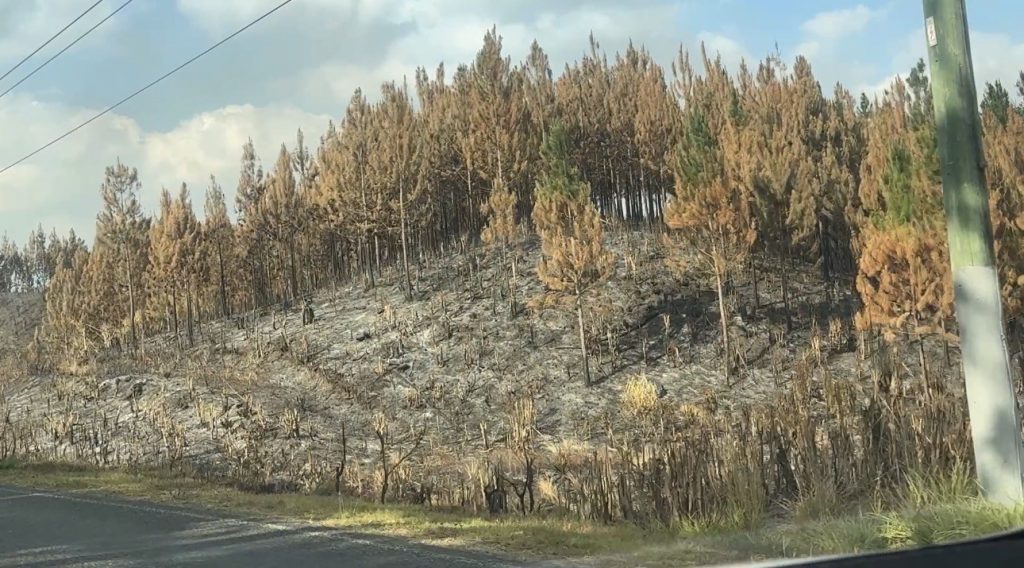
NFA warns water shortages could hamper firefighting as bushfires continue...
Nov 21, 2026, 02:46 PM
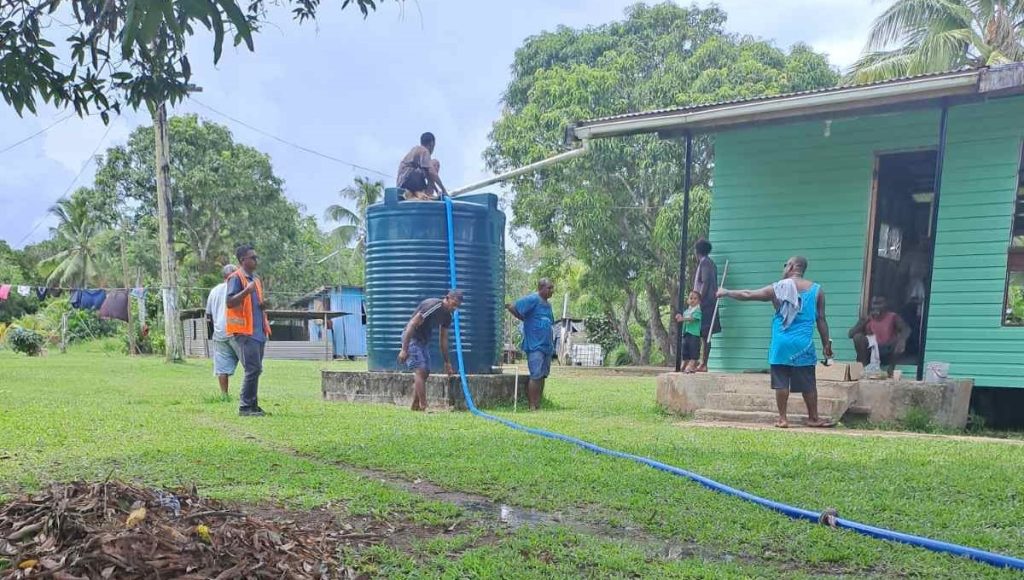
Rural communities bear the brunt of El Niño
Nov 21, 2026, 12:02 PM

Fiji calls for stronger climate action at COP31
Nov 12, 2026, 03:51 PM
Pacific Resilience Facility launches US$500 million funding campaign at COP31
Nov 23, 2026, 08:37 AM
COP31: Pacific pushes to protect 1.5-degree target
Nov 21, 2026, 06:38 PM
NFA warns water shortages could hamper firefighting as bushfires continue...
Nov 21, 2026, 02:46 PM
Rural communities bear the brunt of El Niño
Nov 21, 2026, 12:02 PM
Fiji calls for stronger climate action at COP31
Nov 12, 2026, 03:51 PM
 Eparama Warua