In Fiji:

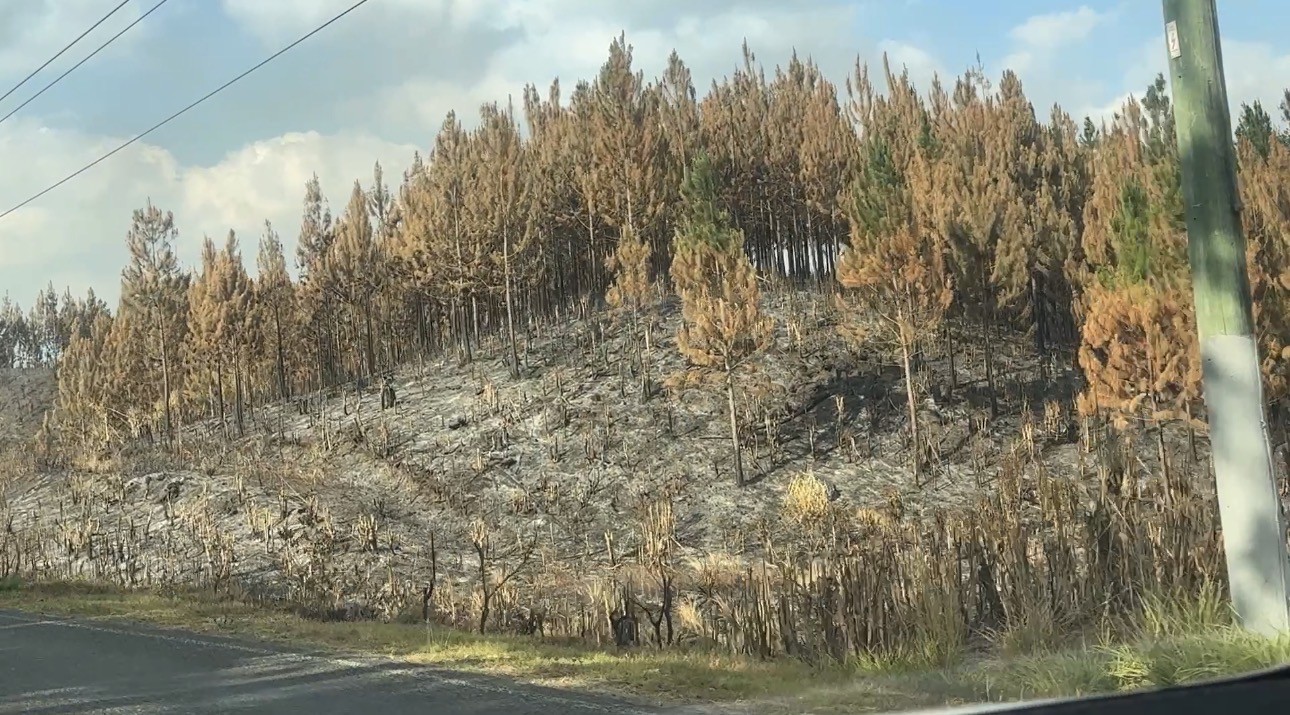
The National Fire Authority is warning that worsening water shortages caused by the El Niño weather pattern could significantly affect its ability to respond to fires, as bushfires, rubbish fires and structural fires continue to threaten communities, particularly in the Western Division.
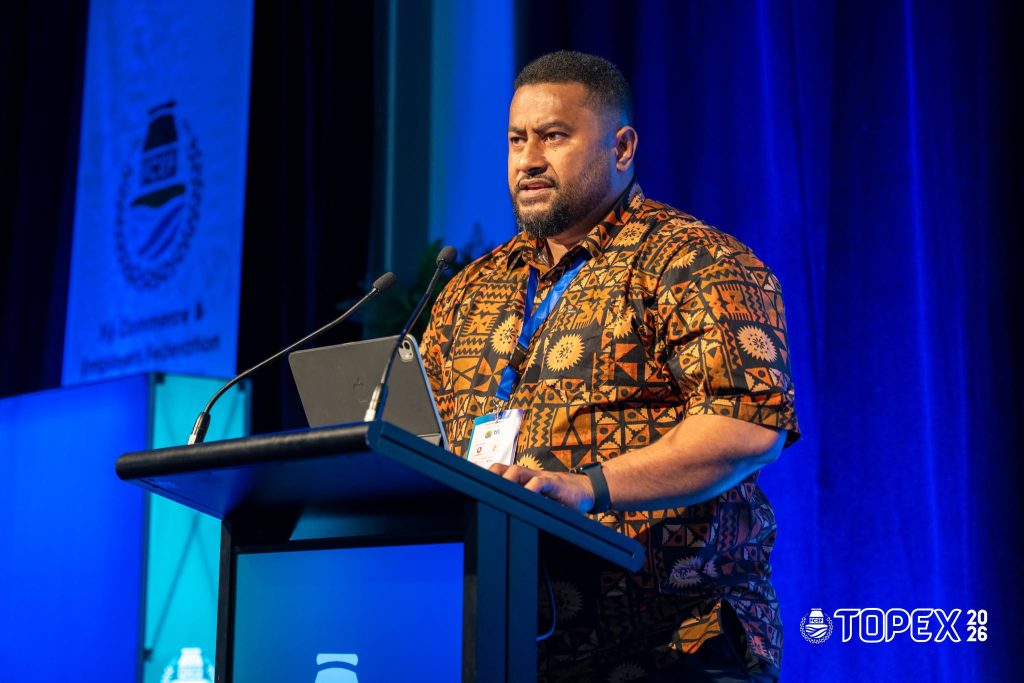
Chief Executive Officer Puamau Sowane says the declining availability of water is a growing concern for the Authority, which relies heavily on water supplies to contain and extinguish fires.
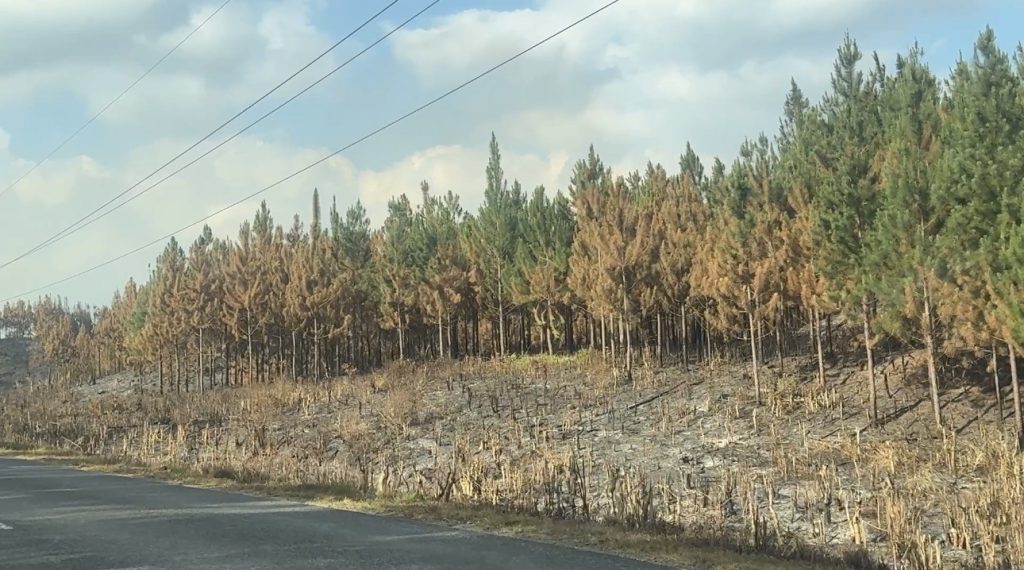
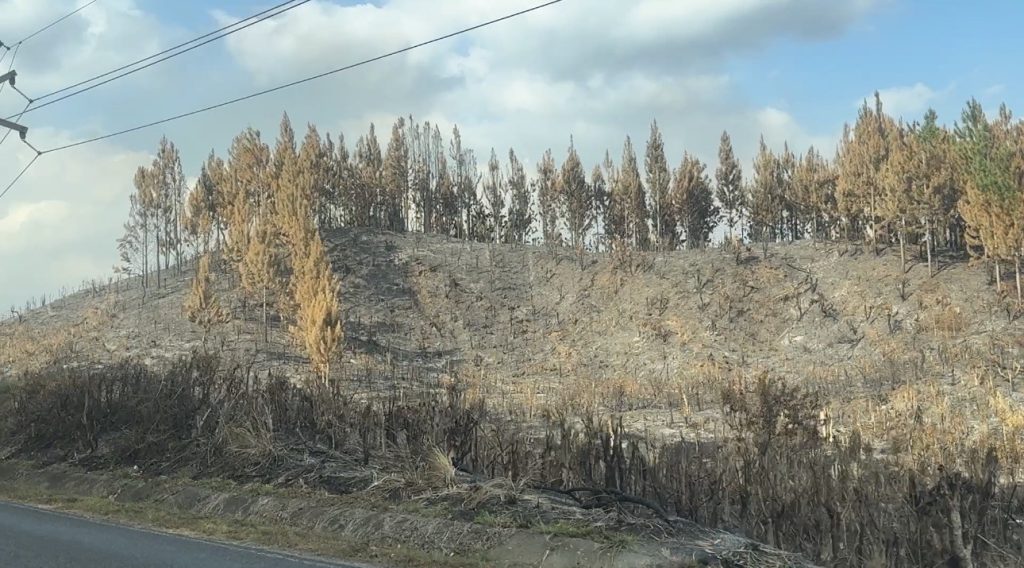
Speaking to Fiji One News on the sidelines of TOPEX 2026 at Denarau, Sowane says the situation is becoming increasingly worrying, with visible signs of bushfire damage across several parts of the West.
He says the Authority continues to respond to structural fires, bushfires and rubbish fires, all of which require significant volumes of water.
“If the water supplies are being affected, that is also a worrying factor for the National Fire Authority, because we need water to fight fires,” Sowane says.
He says a residential fire can require between 3,000 and 4,000 litres of water to extinguish, while fires involving commercial and industrial buildings can consume between 5,000 and 15,000 litres.
Bushfires and rubbish dump fires require even greater volumes because they are particularly difficult to put out.
Sowane is urging the public to stop burning household rubbish and avoid activities that could spark fires.
“These small fires can potentially spread and destroy their homes,” he warns.
He says burning household waste in backyards is also unlawful under environmental legislation.
With the El Niño conditions expected to continue beyond 2027, the Authority is looking at ways to secure alternative water supplies for firefighting operations.
Sowane says NFA is investing in water tanks for all 21 fire stations across the country to reserve water for emergencies.
However, he admits this may not be enough to meet demand during a prolonged period of water shortages.
“Even water tanks alone would not be sufficient for us to keep enough water to fight fires,” he says.
Sowane says the Authority may eventually have to resort to using seawater if freshwater supplies become insufficient, despite the damage it can cause to firefighting equipment.
“When we don’t have enough water to fight fires, the only option for us is to use seawater. But using seawater is very detrimental to our equipment. But the life of people is more important for us,” he says.
The NFA Chief Executive says the Authority responds to an average of one to two structural fires nationwide every day, with bushfire incidents continuing to be a major concern in the Western Division.
He is appealing to communities to take greater responsibility for fire safety, particularly during the current drought conditions.
“Be very considerate, very, very careful in and around your homes in terms of keeping your homes fire safe and avoid any types of fire, whether it be bushfire, rubbish fire or structural fires,” Sowane says.
He says preventing fires is particularly important at a time when communities are already facing pressure on their water supplies.
COP31: Pacific pushes to protect 1.5-degree target
Nov 21, 2026, 06:38 PM
Rural communities bear the brunt of El Niño
Nov 21, 2026, 12:02 PM
Fiji calls for stronger climate action at COP31
Nov 12, 2026, 03:51 PM

Pacific island nations warn against further delays as COP31 climate...
Nov 10, 2026, 09:44 AM

Communities at the centre of Fiji’s new plan to protect...
Oct 07, 2026, 07:02 PM
COP31: Pacific pushes to protect 1.5-degree target
Nov 21, 2026, 06:38 PM
Rural communities bear the brunt of El Niño
Nov 21, 2026, 12:02 PM
Fiji calls for stronger climate action at COP31
Nov 12, 2026, 03:51 PM
Pacific island nations warn against further delays as COP31 climate...
Nov 10, 2026, 09:44 AM
Communities at the centre of Fiji’s new plan to protect...
Oct 07, 2026, 07:02 PM
 Eparama Warua