In Fiji:

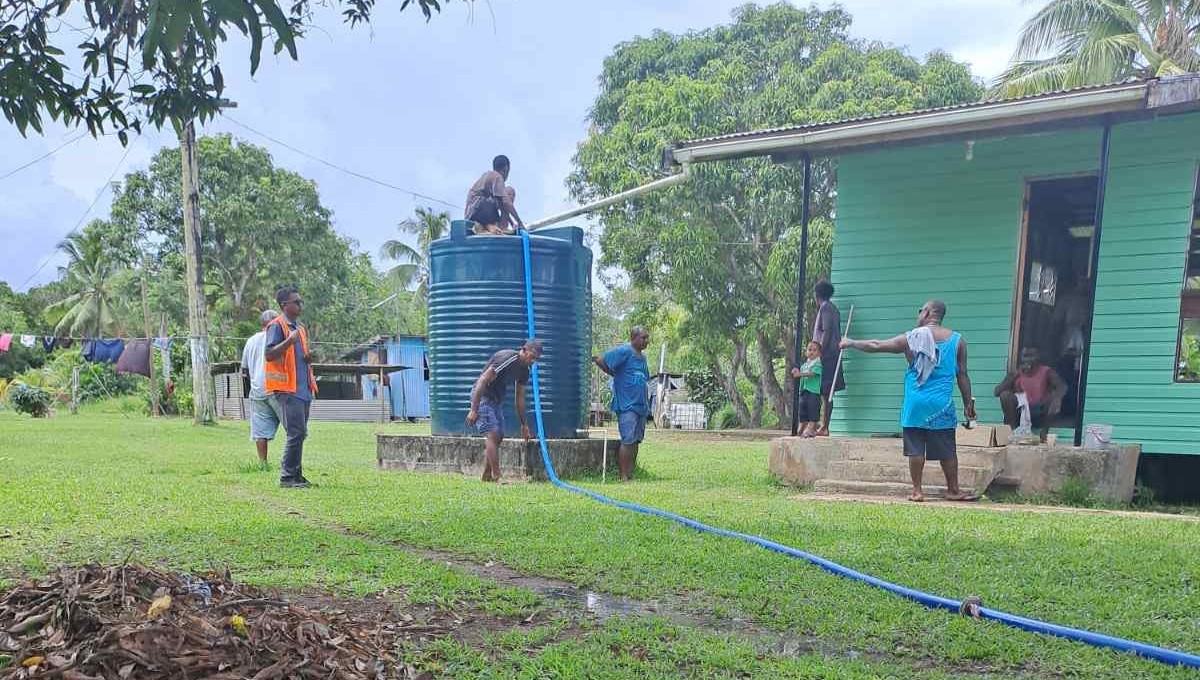
Rural communities are bearing the brunt of the current El Niño drought, with the Water Authority of Fiji receiving an increasing number of requests for water carting as local sources continue to dry up.
WAF Chief Executive Officer Seru Soderberg says the Western and Northern divisions are currently experiencing the greatest pressure, after receiving no substantial rainfall since August.
He says the prolonged dry spell is also drawing down water levels at Vaturu Dam, placing further pressure on the region’s supply.
“It’s the rural communities who have really been hit by the El Niño event,” Soderberg said.
He says the Authority has already received requests for water carting from Batiki Island, with similar requests now coming from Ovalau.
Soderberg warns the number of affected communities is expected to increase if the dry spell continues.
“Every month, the number of communities that get affected by this dry spell continues to go up,” he said.
While urban supplies have so far been managed through intermittent water supply operations, Soderberg says smaller rural water sources tend to dry up much earlier than the larger sources supplying towns and cities.
The Authority is working with the National Disaster Risk Management Office and the Ministry of Public Works to support water carting to rural communities and maritime islands.
It is also looking at desalination plants and packaged water treatment plants to improve its response, particularly for remote communities where trucks currently have to travel long distances to deliver water.
Soderberg is urging the public to conserve water, saying drinking water and hygiene must remain the priority.
“Don’t wash your car. Don’t water blast your driveway. They all help,” he said.
He says WAF has also allocated additional workers to address leaks across its infrastructure, stressing that water conservation must be a shared responsibility.
“We ask the public to do their part, and we ourselves have to do our part.”

Fiji calls for stronger climate action at COP31
Nov 12, 2026, 03:51 PM

Pacific island nations warn against further delays as COP31 climate...
Nov 10, 2026, 09:44 AM
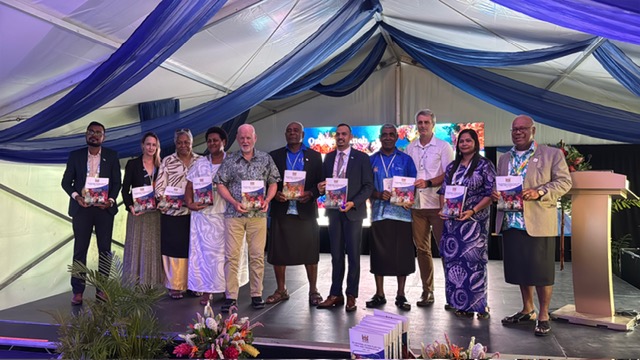
Communities at the centre of Fiji’s new plan to protect...
Oct 07, 2026, 07:02 PM
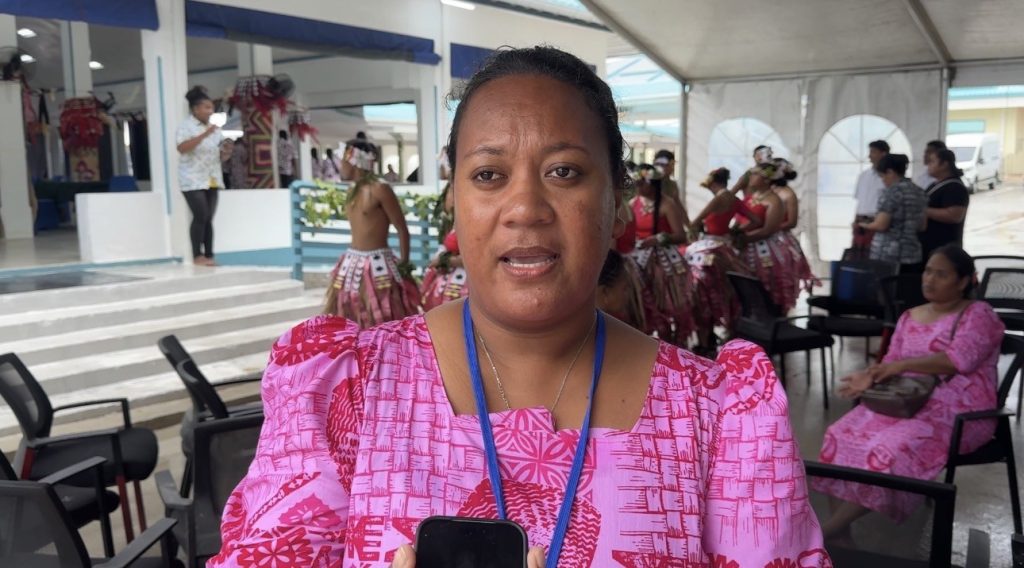
Tuvalu woman urges world leaders to remember what they saw
Oct 06, 2026, 08:47 PM
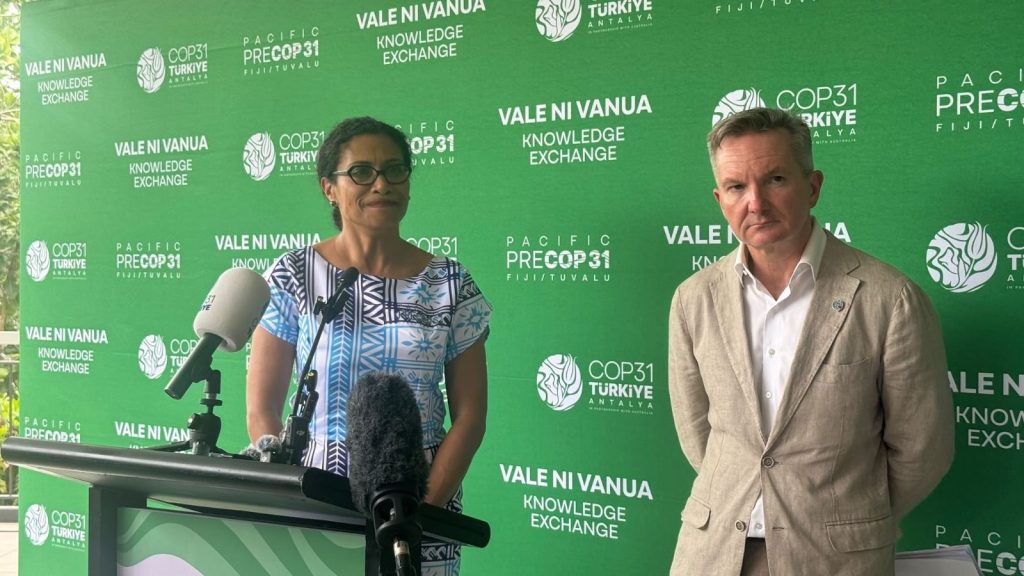
Australia commits new funding to support Pacific clean energy transition
Oct 05, 2026, 10:56 PM
Fiji calls for stronger climate action at COP31
Nov 12, 2026, 03:51 PM
Pacific island nations warn against further delays as COP31 climate...
Nov 10, 2026, 09:44 AM
Communities at the centre of Fiji’s new plan to protect...
Oct 07, 2026, 07:02 PM
Tuvalu woman urges world leaders to remember what they saw
Oct 06, 2026, 08:47 PM
Australia commits new funding to support Pacific clean energy transition
Oct 05, 2026, 10:56 PM
 Eparama Warua