In Fiji:


Fiji’s coral reefs are under growing pressure from overfishing, pollution, damaged coastal habitats and a warming ocean, prompting the launch of a new national plan aimed at protecting the reefs communities depend on.
The Fiji National Action Plan for Coral Reef Conservation 2026–2031 was launched in Nadi on the margins of Pacific Pre-COP31, with government officials stressing that the plan was shaped by the people who have cared for Fiji’s reefs for generations.
Director of Environment Sainimili Baleicakacaka says the process started with communities sharing what they were seeing on their reefs and how those changes were affecting them.
“We started where we should have started. That is, with the communities.”
Community representatives, traditional resource owners, government agencies and technical experts were brought together to identify the major pressures facing Fiji’s reefs.
Three major local threats were identified, unsustainable fishing, pollution, and the destruction and degradation of coastal habitats, alongside climate change as a major global threat.
The new action plan has seven strategic areas and 82 actions, covering coral reef ecosystems, sustainable fisheries and inclusive governance, community empowerment and traditional knowledge, policy and coordination, as well as research, education, capacity building and sustainable financing.
A major focus is on identifying and protecting climate-resilient reefs, areas considered better able to withstand the impacts of a changing climate.
Baleicakacaka says the plan also looks beyond the reefs themselves, including mangroves and catchment areas where action on land can reduce pollution and other pressures reaching the ocean.
Permanent Secretary for Environment Dr Sivendra Michael says Fiji’s reefs are vital to the lives and livelihoods of communities.
He says the reefs support fisheries, protect shorelines and underpin tourism, but their resilience cannot be taken for granted.
The plan aims to bring Fiji’s priority climate-resilient reefs under sustainable management while also supporting mangrove restoration and action from the ridge to the reef.
Dr Michael says the work did not begin in a boardroom.
It involved going back to communities, listening to their concerns and working to find practical ways forward.
For the people who rely on the ocean for food, income and protection, the new plan is intended to turn those community concerns into action.
And as Pacific leaders push for stronger climate action at Pre-COP31, Fiji is also linking reef protection to the wider call to keep 1.5 degrees Celsius within reach, improve access to climate finance and put the ocean at the centre of climate discussions.
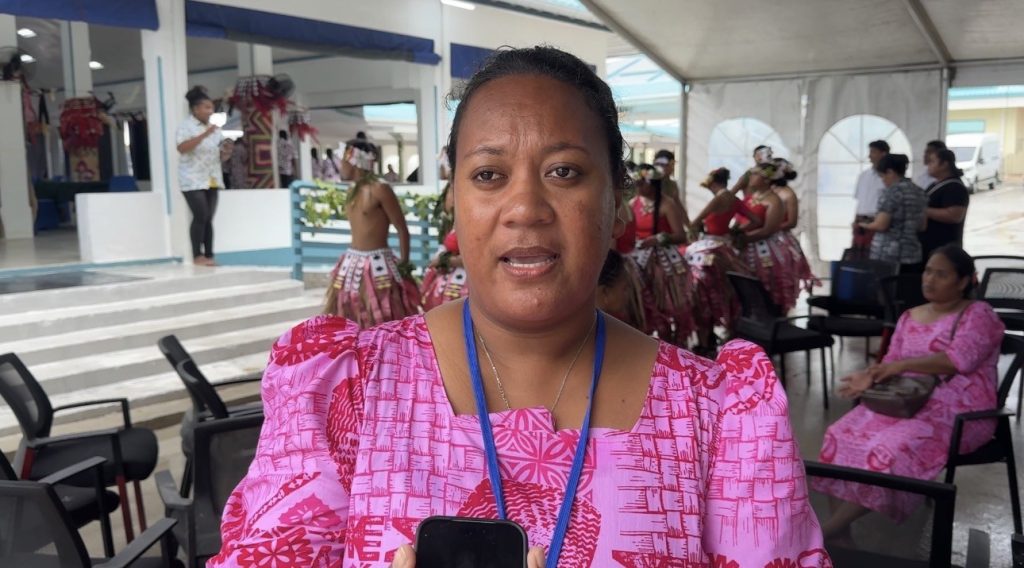
Tuvalu woman urges world leaders to remember what they saw
Oct 06, 2026, 08:47 PM
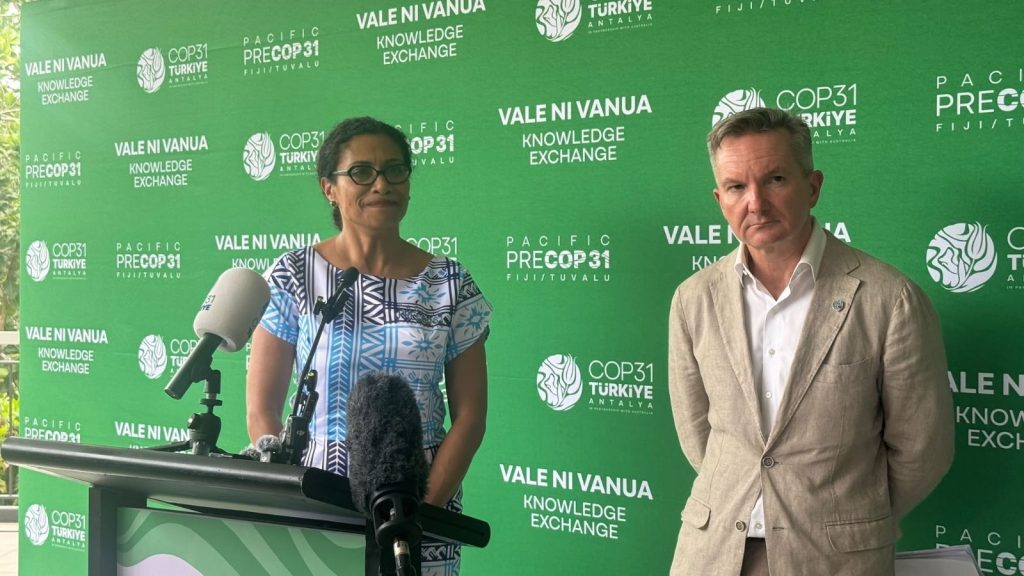
Australia commits new funding to support Pacific clean energy transition
Oct 05, 2026, 10:56 PM

Disability voices urged to be included in climate decisions
Oct 05, 2026, 10:53 PM

Nacula people fear losing homes, food and history
Oct 05, 2026, 10:34 PM
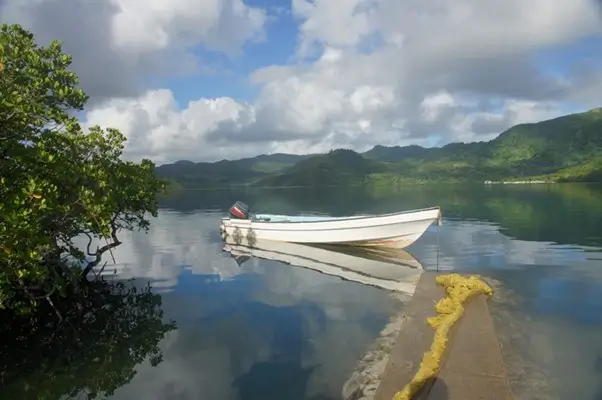
Pacific climate finance focus ahead of Pre-COP31
Sep 27, 2026, 04:51 PM
Tuvalu woman urges world leaders to remember what they saw
Oct 06, 2026, 08:47 PM
Australia commits new funding to support Pacific clean energy transition
Oct 05, 2026, 10:56 PM
Disability voices urged to be included in climate decisions
Oct 05, 2026, 10:53 PM
Nacula people fear losing homes, food and history
Oct 05, 2026, 10:34 PM
Pacific climate finance focus ahead of Pre-COP31
Sep 27, 2026, 04:51 PM
 Eparama Warua