In Fiji:

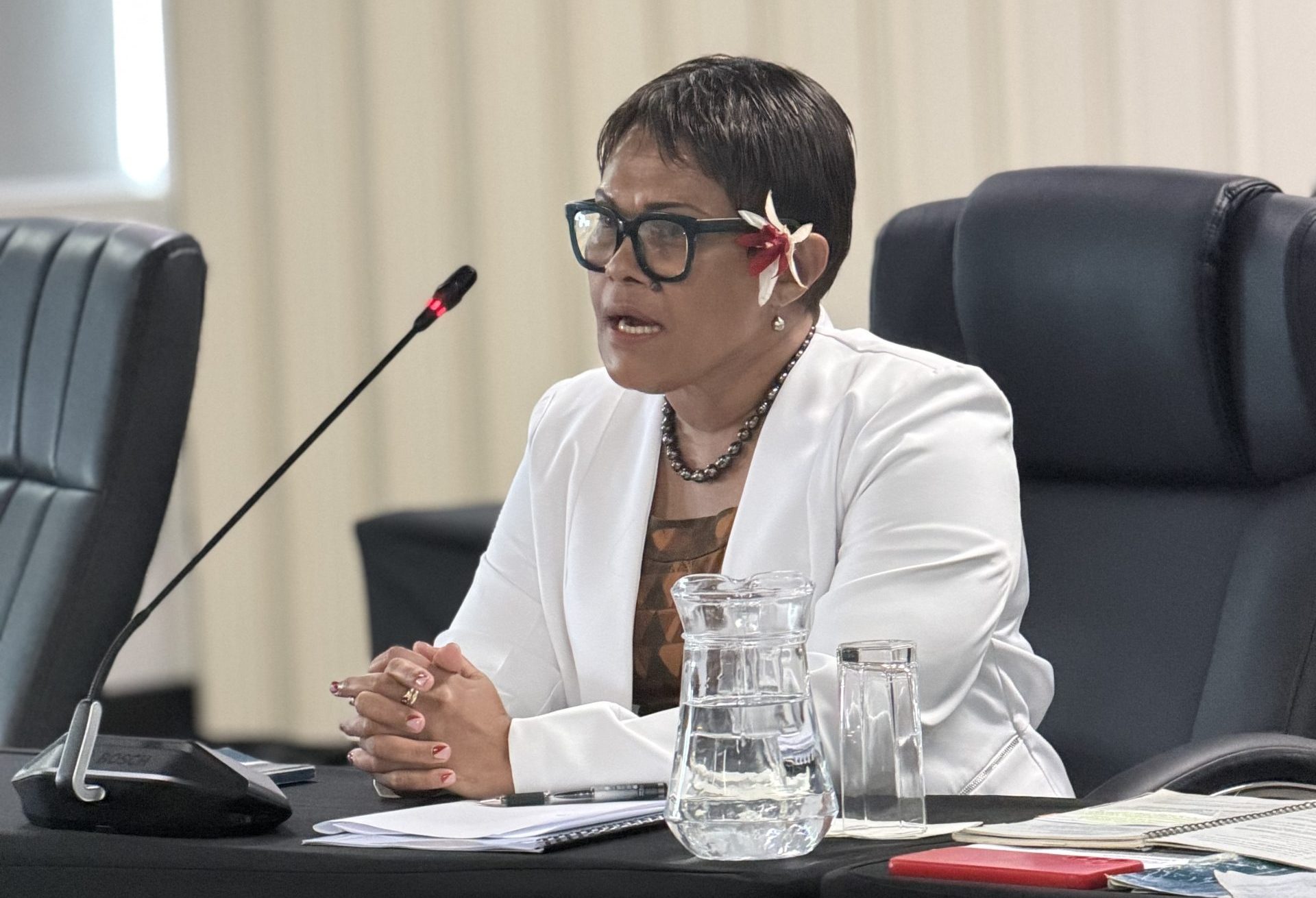
The Fiji Independent Commission Against Corruption is proposing a significant constitutional change to strengthen the independence of its leadership, calling for the appointment of its Commissioner to be entrenched in the Constitution, similar to the framework governing the Office of the Director of Public Prosecutions.
In its submission to the Constitution Review Commission on Wednesday, Acting Commissioner Lavi Rokoika highlighted what he described as a key structural weakness under Section 115 of the Constitution, namely, the absence of a clearly defined constitutional appointment process for the FICAC Commissioner.
Rokoika told commissioners that while FICAC’s functions mirror those of the DPP’s office, its leadership framework remains grounded in ordinary legislation, the FICAC Act 2007, rather than the Constitution itself.
She argued that this gap has contributed to ongoing legal challenges surrounding the validity of FICAC’s leadership, which in turn has affected the Commission’s ability to carry out its mandate.
“Our submission is that the appointment provision for the FICAC Commissioner should be entrenched in the Constitution, similar to that of the DPP’s office,” Rokoika said.
Currently, the appointment process is handled under the FICAC Act, where the Judicial Services Commission makes a recommendation in consultation with the Attorney-General before the appointment is formalised by the President.
However, Rokoika noted that this process lacks the constitutional safeguards afforded to the DPP.
Under the proposed amendment, FICAC is advocating for:
Rokoika said involving Parliament in the appointment process would introduce an additional layer of scrutiny and transparency.
“When it goes to Parliament, there will be debate and scrutiny of the proposed appointee. That adds another level of accountability,” he said.
She added that this approach reflects practices in several Australian states, where parliamentary oversight has helped avoid disputes over leadership legitimacy.
The proposal also seeks to remove the requirement for reporting to the Attorney-General, instead making FICAC directly accountable to Parliament, another measure aimed at reinforcing institutional independence.
However, questions were raised by CRC Commissioner Ami Kohli, who queried whether the Commission’s prosecutorial powers were too broad without a clear constitutional definition of corruption.
“Do you not think that it is only fair to have corruption defined?” Kohli asked, suggesting that specific offences should be outlined rather than relying on broad prosecutorial authority.
In response, Rokoika acknowledged the absence of a formal definition but maintained that such detail should remain in legislation rather than the Constitution.
“That is an operational matter. It needs to go into the legislation… not into the Constitution,” she said, adding that FICAC’s mandate is already guided by its anti-corruption focus and international obligations, including commitments under the United Nations Convention Against Corruption.
The Commission’s broader submission argues that while FICAC is already constitutionally recognised, critical aspects of its independence, particularly leadership appointment, tenure, and removal protections, must be explicitly entrenched to ensure it can operate without interference.
Rokoika stressed that without these safeguards, legal uncertainties will continue to hinder the Commission’s work.
“The institution is there, but what we need is for it to be properly secured and protected, especially in terms of our prosecutorial functions,” he said.

Gokals Launches Fujitsu Air Conditioning, Focusing on Customer Needs and...
Oct 20, 2026, 04:50 PM

SPX Opens Entries for 2026 Corporate Excellence Awards
Oct 20, 2026, 03:08 PM

Woolworths partners Rugby World Cups in Australia
Oct 20, 2026, 02:47 PM

At 71 Karl Smith Continues to Thrive in Farming
Oct 20, 2026, 02:44 PM
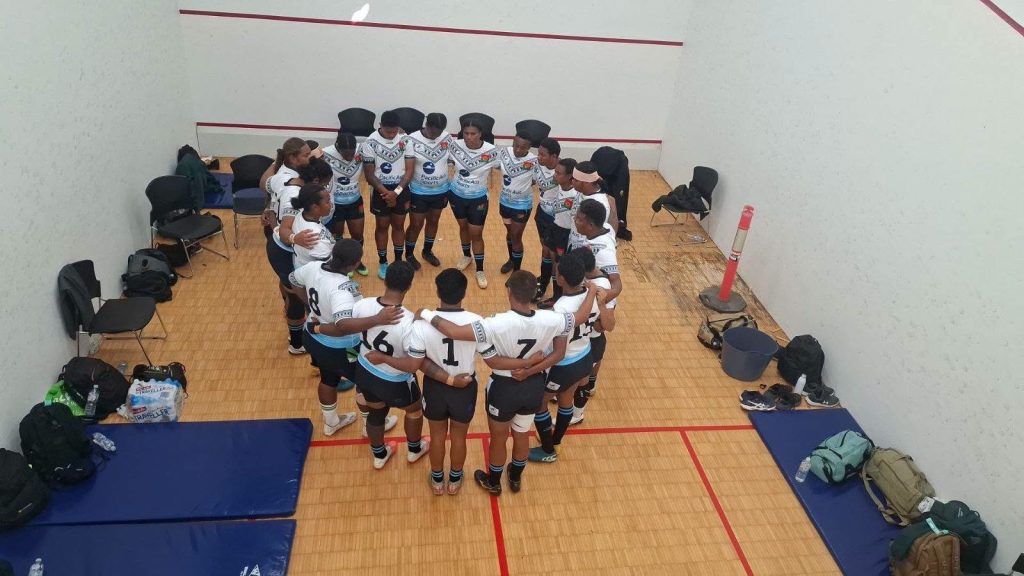
RFMF Women Secure Defence Pacific Cup Series
Oct 20, 2026, 02:31 PM
Gokals Launches Fujitsu Air Conditioning, Focusing on Customer Needs and...
Oct 20, 2026, 04:50 PM
SPX Opens Entries for 2026 Corporate Excellence Awards
Oct 20, 2026, 03:08 PM
Woolworths partners Rugby World Cups in Australia
Oct 20, 2026, 02:47 PM
At 71 Karl Smith Continues to Thrive in Farming
Oct 20, 2026, 02:44 PM
RFMF Women Secure Defence Pacific Cup Series
Oct 20, 2026, 02:31 PM
 Fiji One News Team