In Fiji:

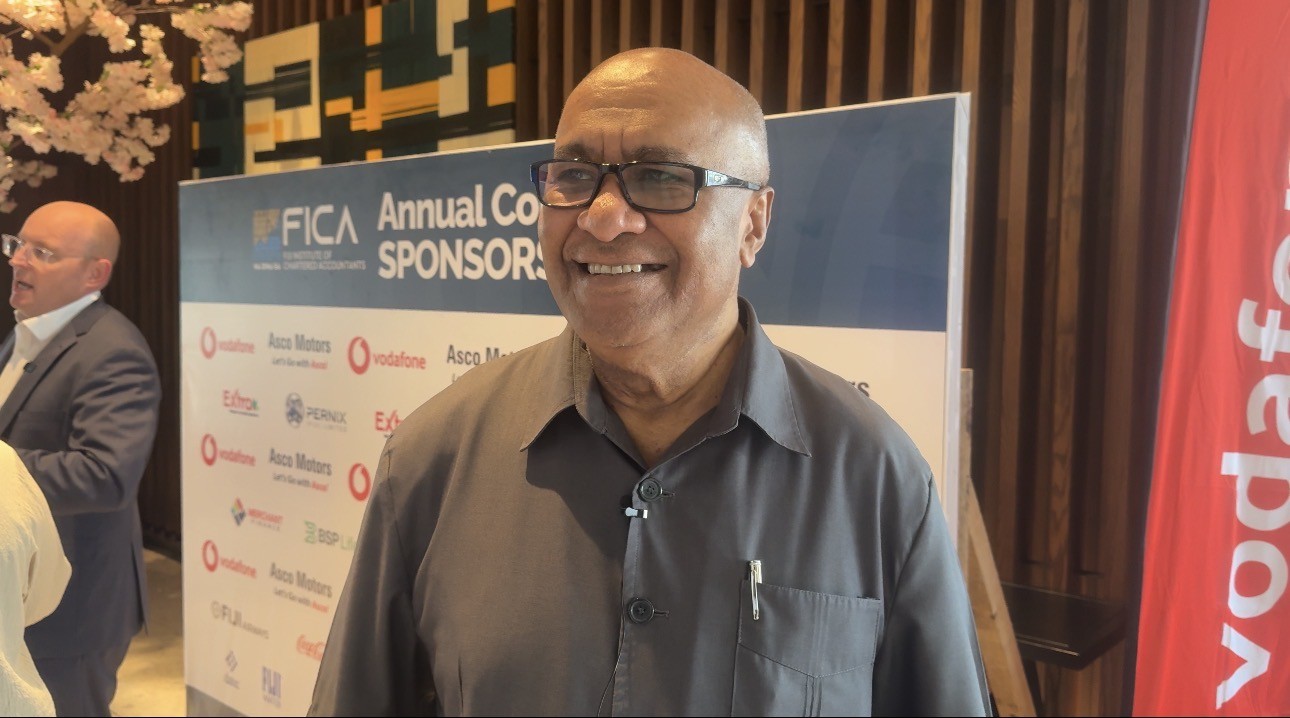
The role of the Fiji Institute of Chartered Accountants in influencing national policy and strengthening financial governance has come into focus at the FICA Congress 2026, with calls for its continued involvement in shaping Fiji’s economic direction.
Parliamentarian and former Deputy Prime Minister Manoa Kamikamica says the institute has played a significant, though often behind-the-scenes, role in the country’s economic evolution over the decades.
Speaking to Fiji One News at the FICA Congress 2026, Kamikamica highlighted that since as far back as the 1970s, key national decisions have been guided by input from accounting professionals, reinforcing the importance of sound financial expertise in policy execution.
Kamikamica stressed that many successful economic initiatives ultimately depend on strong accounting principles, pointing to the profession’s role in ensuring accountability and transparency in the use of public funds.
However, he noted that while FICA has contributed to policy advocacy, such as promoting ease of doing business reforms like the “one-stop shop” concept, there remains room for improvement in translating such recommendations into full implementation.
The issue of governance remains central, with Kamikamica describing FICA as a key custodian of financial standards, ensuring that both public and private sector entities remain accountable.
He also acknowledged the institute’s role in producing national leaders, noting that several prominent figures in Fiji’s leadership landscape have emerged from the accounting profession.
He says strengthening institutions like FICA will be critical, particularly in maintaining high standards of governance and fostering trust in economic management.
He adds that for a small developing nation, the continued contribution of professional bodies will be essential in driving sustainable and well-managed growth.
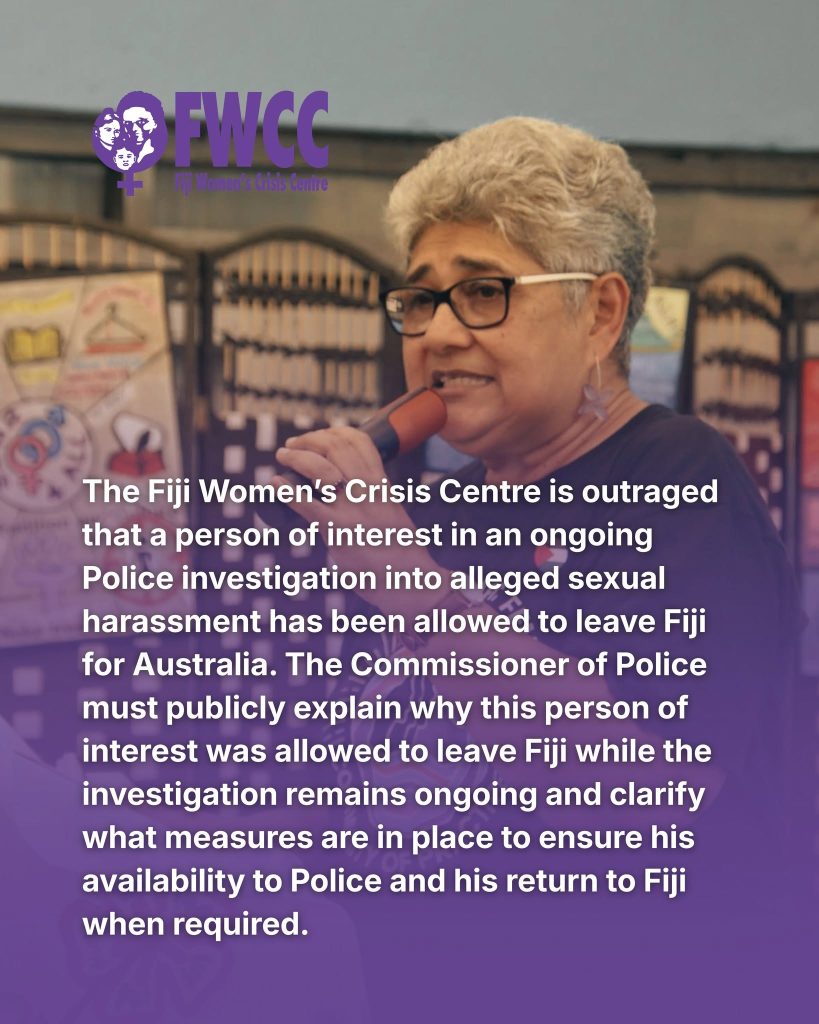
FWCC Seeks Answers Over Person of Interest Leaving Fiji
Oct 20, 2026, 01:26 PM
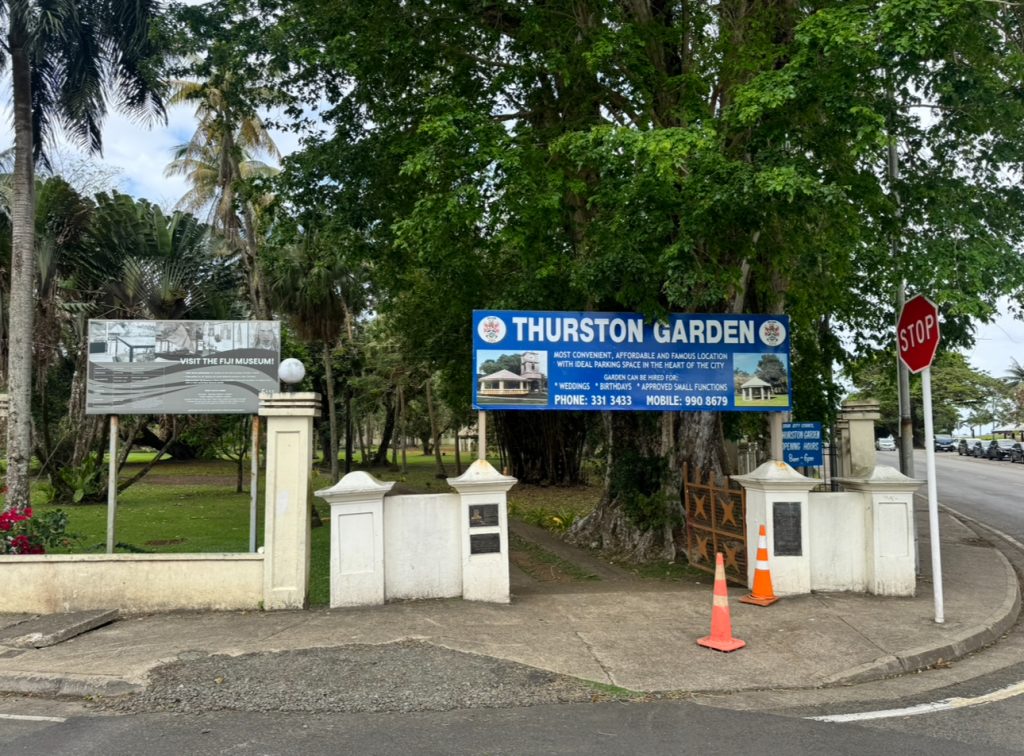
Body found at Thurston Garden identified
Oct 20, 2026, 11:57 AM
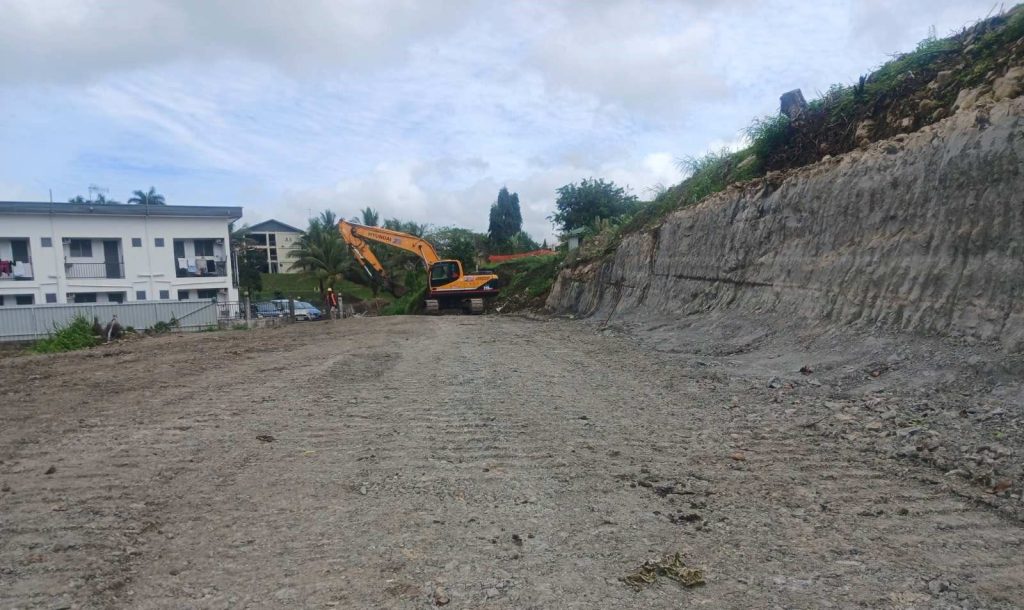
Extension Street Road Link to Improve Suva Traffic
Oct 20, 2026, 11:30 AM
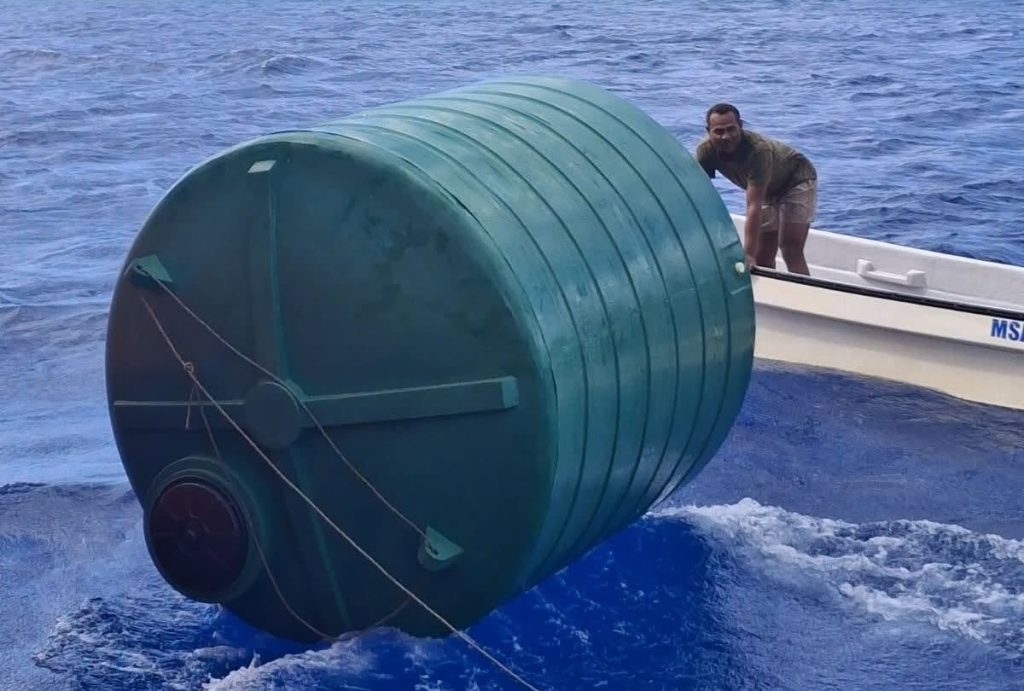
Rough Seas Halt Water Carting to Cikobia
Oct 20, 2026, 10:55 AM
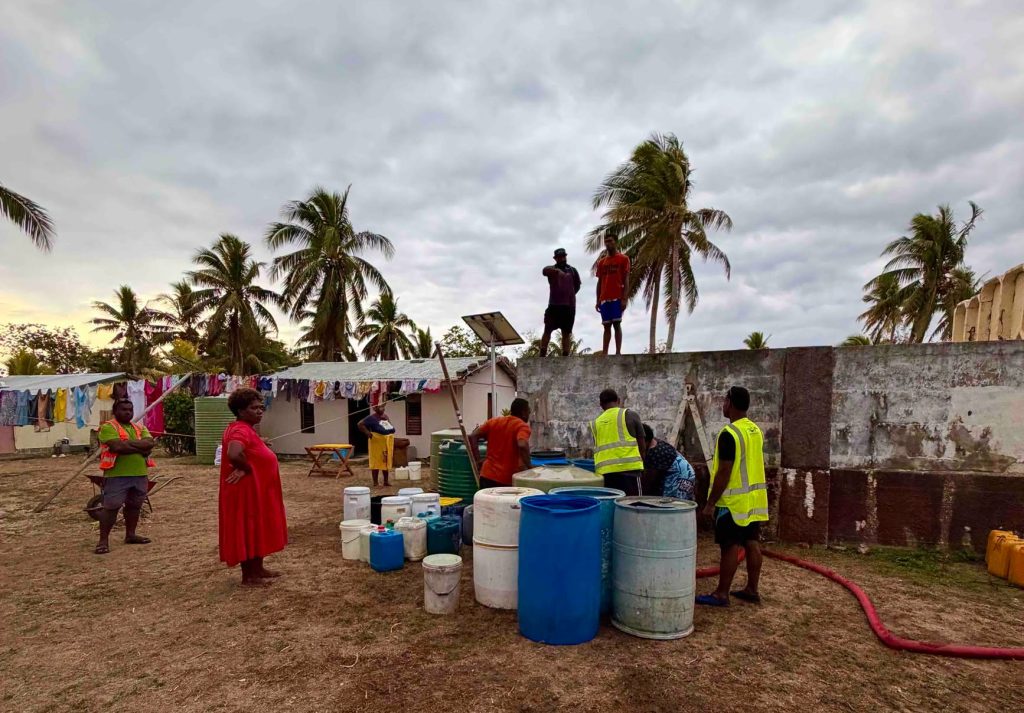
Emergency water supply reaches drought-hit Viwa island
Oct 20, 2026, 10:21 AM
FWCC Seeks Answers Over Person of Interest Leaving Fiji
Oct 20, 2026, 01:26 PM
Body found at Thurston Garden identified
Oct 20, 2026, 11:57 AM
Extension Street Road Link to Improve Suva Traffic
Oct 20, 2026, 11:30 AM
Rough Seas Halt Water Carting to Cikobia
Oct 20, 2026, 10:55 AM
Emergency water supply reaches drought-hit Viwa island
Oct 20, 2026, 10:21 AM
 Eparama Warua