In Fiji:

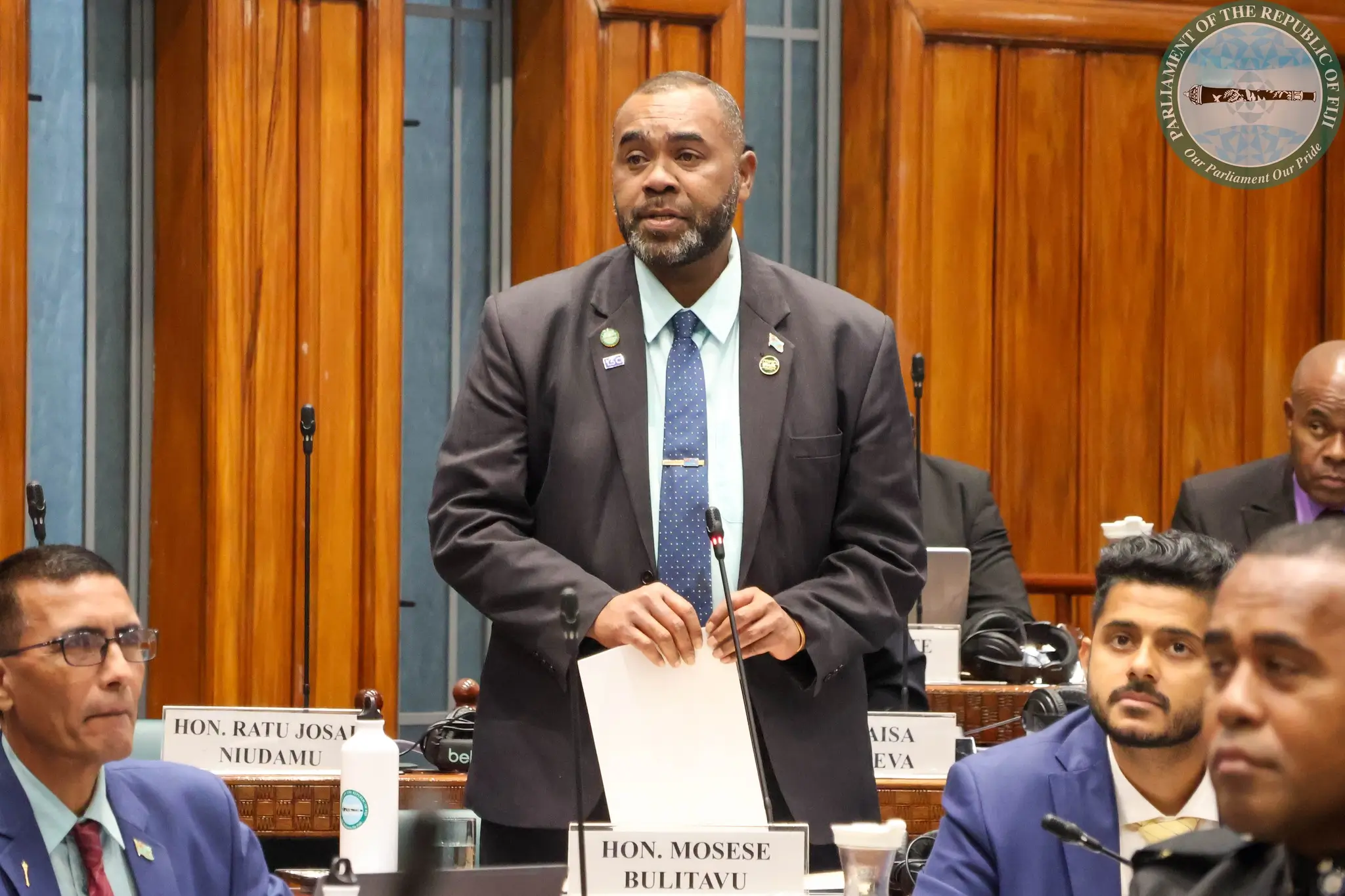
Fiji has taken another major step in its climate journey, with the Minister for Environment and Climate Change, Mosese Bulitavu, announcing in Parliament that the country has officially submitted its Third Nationally Determined Contribution, known as NDC3.0. This new submission was made on 6 November 2025 and marks Fiji’s most ambitious and science-aligned climate commitment so far.
NDC3.0 fulfils Fiji’s responsibilities under the Paris Agreement and the Climate Change Act. It also reinforces Fiji’s reputation as a global climate leader, especially among small island states that continue to face the harshest impacts of climate change.
A central feature of NDC3.0 is the goal of cutting emissions in the energy sector by 36 percent by 2035. Of this target, 12 percent will be achieved through Fiji’s own domestic efforts, while the remaining 24 percent will depend on international support. Fiji has also set a clear path toward renewable energy, aiming for nearly full renewable electricity by 2030 and full transition by 2035.
For the first time, agriculture and waste have their own mitigation targets. These include biogas systems for farmers to help reduce emissions and new strategies to lower methane levels in landfills and wastewater systems.
Fiji has also established a national definition for loss and damage. This will help guide future policies and ensure support is directed to communities most affected by climate impacts, such as coastal villages, farming communities and vulnerable households.
Adaptation remains a strong focus in NDC3.0, with plans to protect food security, infrastructure, water sources, public health and marine ecosystems. These areas are already under pressure, and the Government says the new commitments will strengthen resilience in the years ahead.
Minister Bulitavu told Parliament that a Costed Implementation Plan will soon be released. This plan will outline the funding and climate finance required to deliver the commitments laid out in NDC3.0.
He added that NDC3.0 is not simply another policy document. It represents Fiji’s promise to protect its people, its land, and its future in the face of a growing climate crisis.

Datec Fiji wins Lenovo Regional Partner Award
Oct 19, 2026, 04:59 PM

Police seek public help to identify woman found in Suva
Oct 19, 2026, 03:01 PM

Four Men Arrested in Drug Bust at Narain Jetty
Oct 19, 2026, 12:10 PM

Sayed-Khaiyum, Sagar acquitted after FICAC withdraws charges
Oct 19, 2026, 09:56 AM
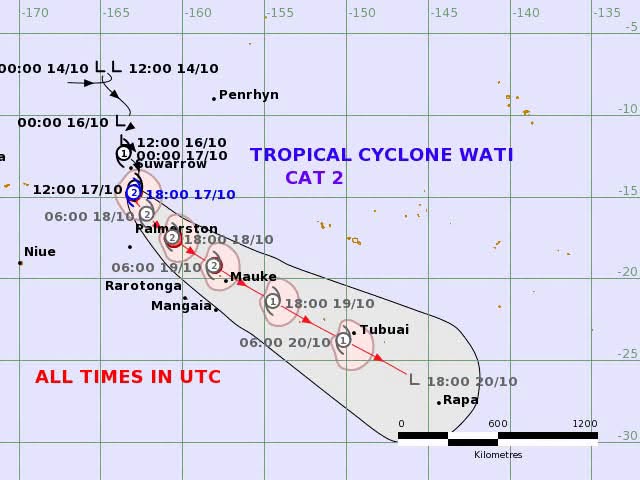
Tropical Cyclone Wati reaches category 2, approaches Aitutaki
Oct 19, 2026, 09:44 AM
Datec Fiji wins Lenovo Regional Partner Award
Oct 19, 2026, 04:59 PM
Police seek public help to identify woman found in Suva
Oct 19, 2026, 03:01 PM
Four Men Arrested in Drug Bust at Narain Jetty
Oct 19, 2026, 12:10 PM
Sayed-Khaiyum, Sagar acquitted after FICAC withdraws charges
Oct 19, 2026, 09:56 AM
Tropical Cyclone Wati reaches category 2, approaches Aitutaki
Oct 19, 2026, 09:44 AM
 Fiji One News Team