In Fiji:

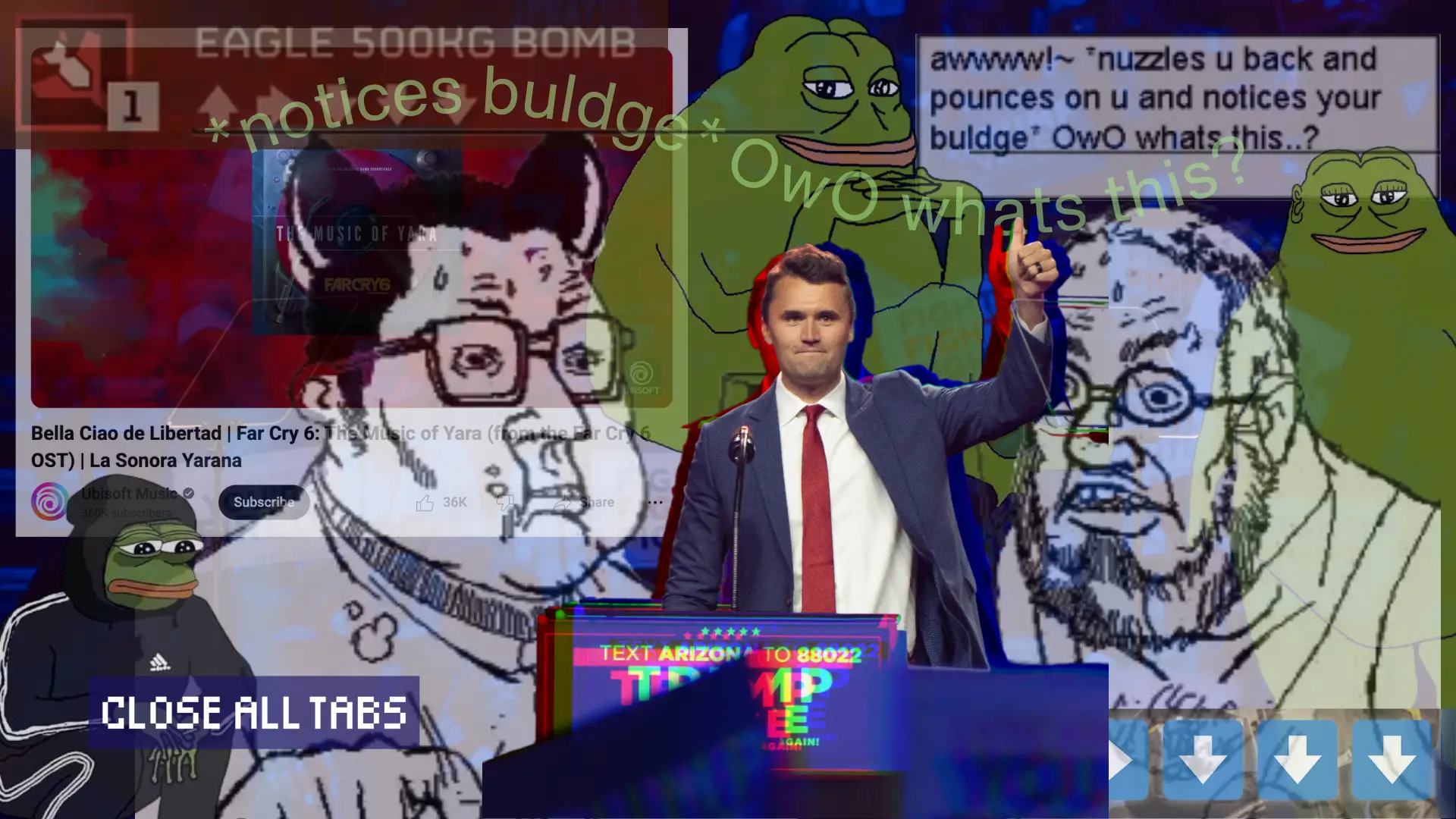
Gamergate started as a niche gaming controversy but grew into a cultural flashpoint that previewed many dynamics of modern U.S. politics: online harassment as a political weapon, culture-war framing around identity issues, the rise of internet-native movements, and the exploitation of online subcultures by extremist political figures.
This article will discuss the origins, its escalation and how it affected the U.S. political discourse to what it is today. As an avid online user, online sub-culture was never thought to affect the day-to-day lives of those in the real world. Gamergate was one of the first internet-based controversies to show how online harassment, memes, and trolling could translate into real-world political polarization.
Gamergate began in August 2014 around a blog post by Eron Gjoni about his ex-girlfriend, indie game developer Zoë Quinn. The post accused her of personal misconduct and indirectly implied journalistic corruption. Online forums, notably 4chan, Reddit, later 8chan, escalated the issue; amplifying these claims, framing them as a campaign for “ethics in video game journalism”
However, the movement quickly spiraled into a large scale harassment campaign, disproportionately targeting women in gaming; including Quinn, developer Brianna Wu, and critic Anita Sarkeesian. They faced doxxing, threats of violence, and sustained online abuse.
From this incident two sides emerged, supporters claimed they wanted transparency and accountability in game journalism and critics who argued the “ethics” angle was a smokescreen for misogynistic harassment and culture-war style backlash against women and inclusivity in gaming.
It served as an early template for “culture war” battles fought online; especially over gender, diversity, and “political correctness.”
Far-right and alt-right figures (like Milo Yiannopoulos and Steve Bannon later) exploited Gamergate communities to recruit young men into broader political causes, framing them as fighting back against feminism, “social justice warriors” (SJWs), and mainstream media.
Gamergate hardened divides over gender, representation, and free speech. It intensified debates around whether calls for inclusivity in media were legitimate progress or ideological overreach.
This polarization echoed into larger conversations about feminism, race, and identity that became central in U.S. politics in the mid-to-late 2010s. With the weaponization of coordinated harassment, doxxing, and mass-reporting strategies pioneered during Gamergate; it became a common political tool in later years. These tactics foreshadowed how misinformation campaigns and online brigading would operate during the 2016 U.S. election.
Platforms like Twitter, YouTube, and Reddit were criticized for failing to control harassment campaigns. The Gamergate moment highlighted the power (and dangers) of algorithm-driven amplification, something that became a huge topic in later within the political discourse sphere.
(The next section of this article will be published on the 27th September 2025 in order to discuss groyerfication theories and internet sub-cultures)
Ketan Lal urges PM to prioritise urgent issues over constitutional...
Jan 22, 2025, 09:00 AM
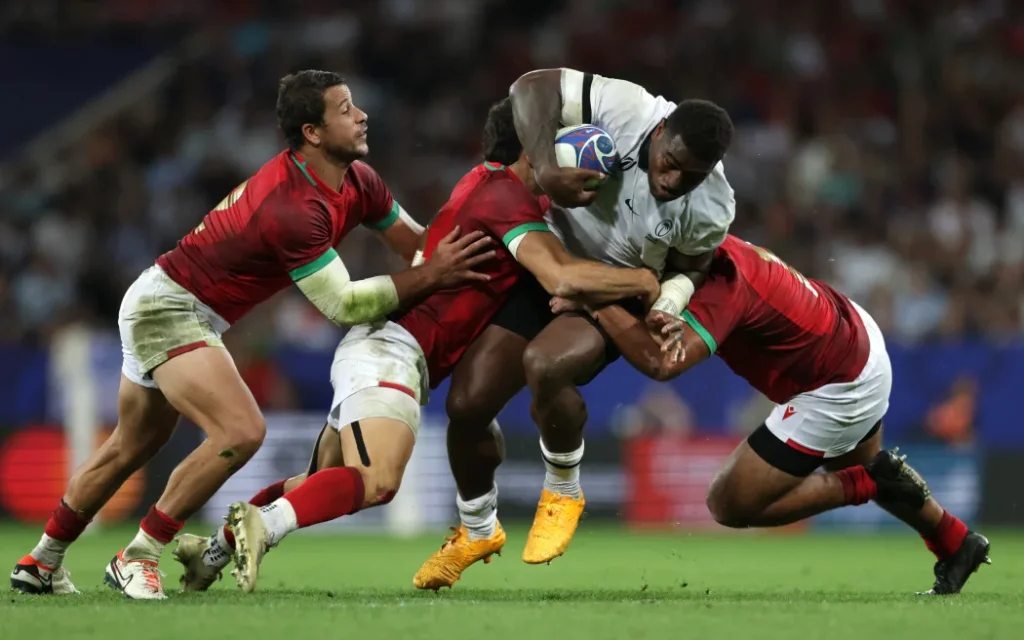
The Pacific rugby funding dilemma
Aug 13, 2024, 02:30 PM
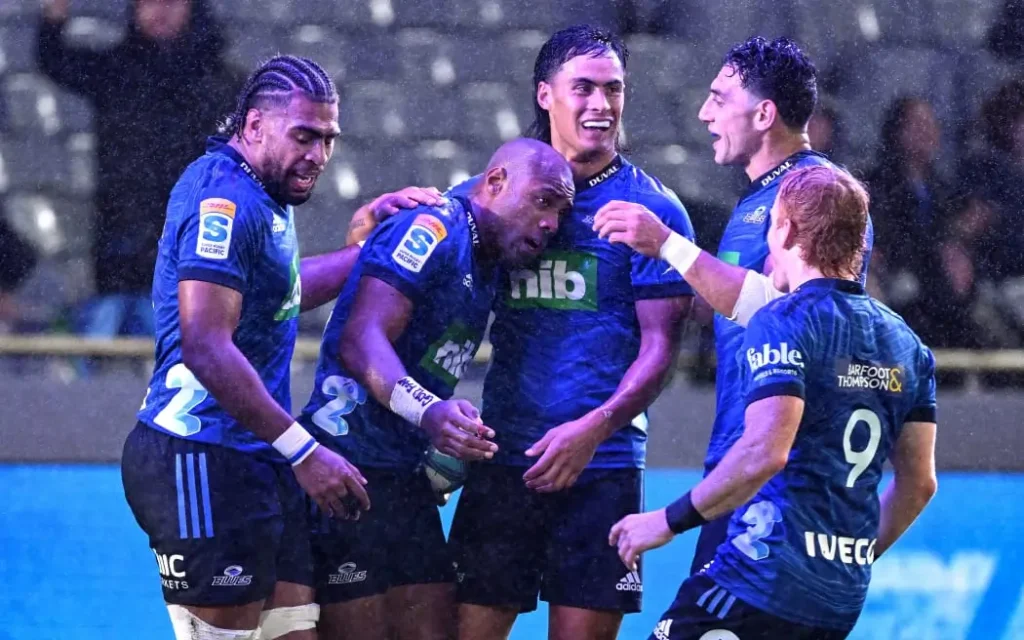
Super Rugby Pacific team preview of The Blues
Feb 17, 2024, 02:41 PM
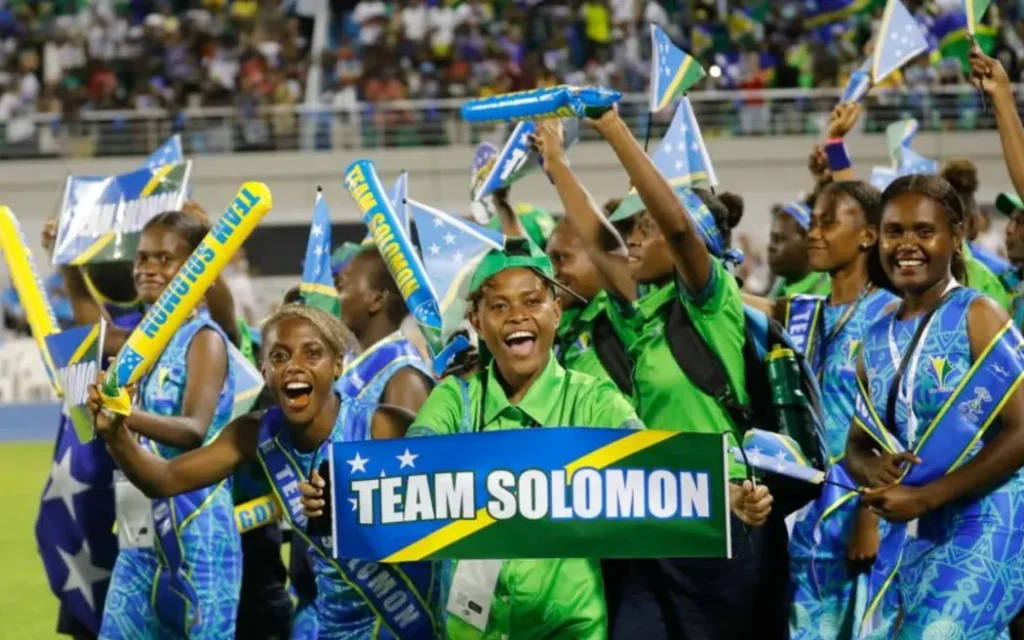
Behind the shine of the Pacific Games lurks poor governance...
Feb 02, 2024, 10:15 AM
Prof Ratuva believes that PM has tried to assert his...
Jan 30, 2024, 08:09 PM
Ketan Lal urges PM to prioritise urgent issues over constitutional...
Jan 22, 2025, 09:00 AM
The Pacific rugby funding dilemma
Aug 13, 2024, 02:30 PM
Super Rugby Pacific team preview of The Blues
Feb 17, 2024, 02:41 PM
Behind the shine of the Pacific Games lurks poor governance...
Feb 02, 2024, 10:15 AM
Prof Ratuva believes that PM has tried to assert his...
Jan 30, 2024, 08:09 PM
 Fiji One News Team