In Fiji:

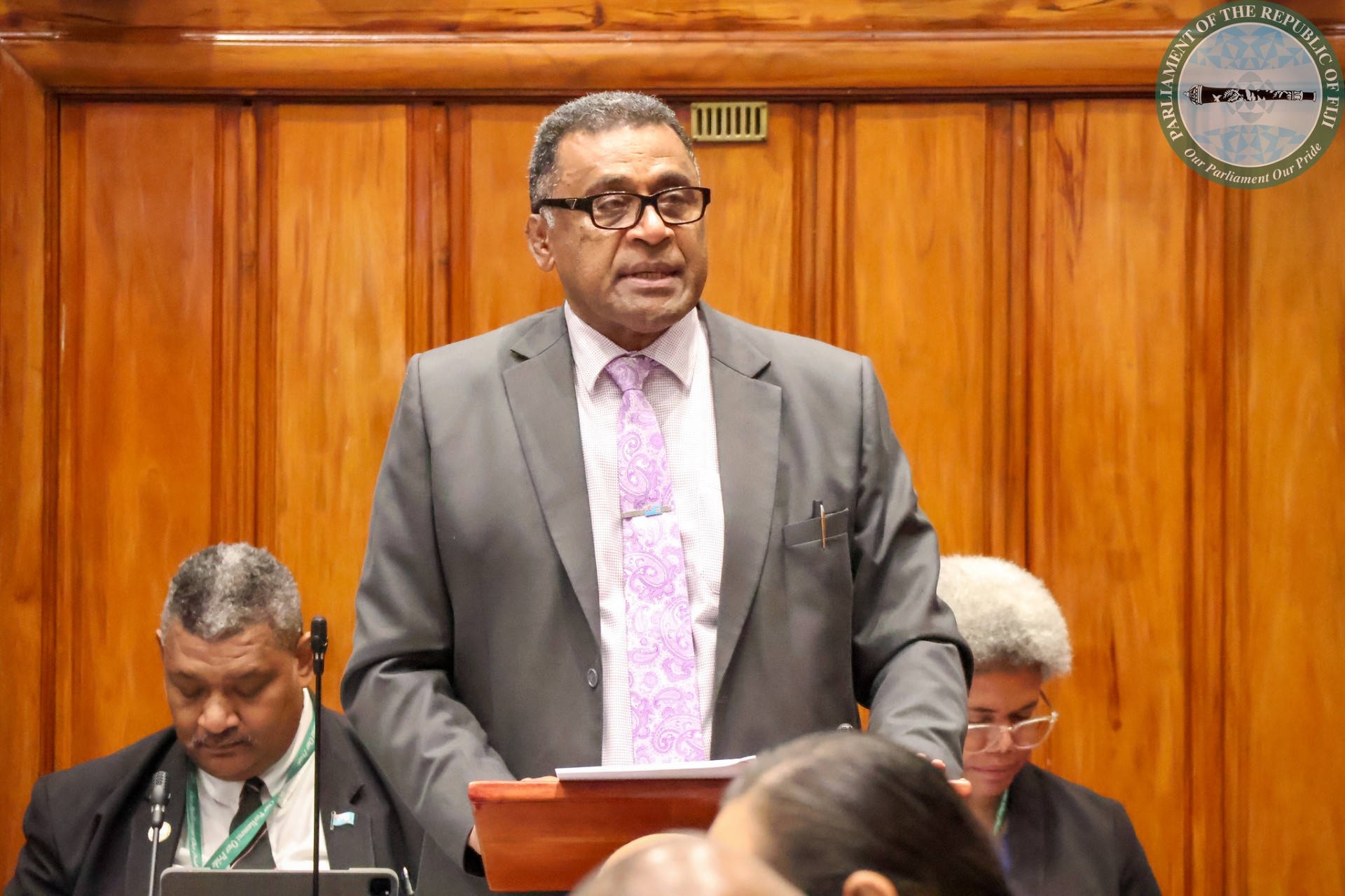
The Government has defended its decision to maintain fuel-related taxes despite mounting pressure from rising global oil prices, saying a complete removal of duties would cost the country more than $150 million in revenue and weaken essential public services.
Delivering an update in Parliament this morning, Fiji’s Minister for Finance Esrom Emmanuel said Government had chosen what he described as a “balanced and fiscally responsible approach” in responding to the ongoing global fuel crisis.
The Minister said while Government had already introduced targeted relief measures for bus operators, electricity generation and shipping services, fuel taxes remained a major source of income used to fund healthcare, education, infrastructure, social welfare and national security.
“A complete removal of fuel duties across the board would result in a revenue loss of more than $150 million and would materially weaken Government’s capacity to continue delivering essential services and supporting vulnerable communities,” he said.
The comments come amid growing public concern over rising fuel prices and the wider cost of living pressures being experienced across Fiji.
Mr Emmanuel said Government had instead opted for targeted subsidies and concessions, including fuel duty relief for bus companies, support for Energy Fiji Limited, and subsidies for low-income electricity users.
He also defended the fuel pricing methodology used by the Fijian Competition and Consumer Commission, saying prices were determined using international benchmarks, shipping costs, exchange rates and regulated margins.
According to the Minister, Fiji imports fuel based on regional benchmark pricing systems linked to refined petroleum markets in Singapore.
He stressed that the methodology was transparent and designed to protect consumers from excessive pricing while ensuring supply stability.
The Minister acknowledged that prolonged instability in global fuel markets and escalating geopolitical tensions continued to create uncertainty for Fiji’s economy.
He warned that extended disruptions could place pressure on inflation, business operating costs, tourism demand and foreign reserves.
Despite the uncertainty, Mr Emmanuel said Government finances remained stable, with revenue collection performing above forecast during the first nine months of the financial year.
However, Opposition MP Alvick Maharaj criticised Government’s handling of the crisis, accusing the administration of failing to prepare despite earlier warnings about instability in global fuel markets.
Mr Maharaj claimed the public had been assured earlier this year that there would be no immediate fuel price increases, before major increases were later announced.
He said the recent fuel price hikes had placed further strain on households already dealing with rising living costs.

Gokals Launches Fujitsu Air Conditioning, Focusing on Customer Needs and...
Oct 20, 2026, 04:50 PM

SPX Opens Entries for 2026 Corporate Excellence Awards
Oct 20, 2026, 03:08 PM

Woolworths partners Rugby World Cups in Australia
Oct 20, 2026, 02:47 PM

At 71 Karl Smith Continues to Thrive in Farming
Oct 20, 2026, 02:44 PM

RFMF Women Secure Defence Pacific Cup Series
Oct 20, 2026, 02:31 PM
Gokals Launches Fujitsu Air Conditioning, Focusing on Customer Needs and...
Oct 20, 2026, 04:50 PM
SPX Opens Entries for 2026 Corporate Excellence Awards
Oct 20, 2026, 03:08 PM
Woolworths partners Rugby World Cups in Australia
Oct 20, 2026, 02:47 PM
At 71 Karl Smith Continues to Thrive in Farming
Oct 20, 2026, 02:44 PM
RFMF Women Secure Defence Pacific Cup Series
Oct 20, 2026, 02:31 PM
 Fiji One News Team