In Fiji:

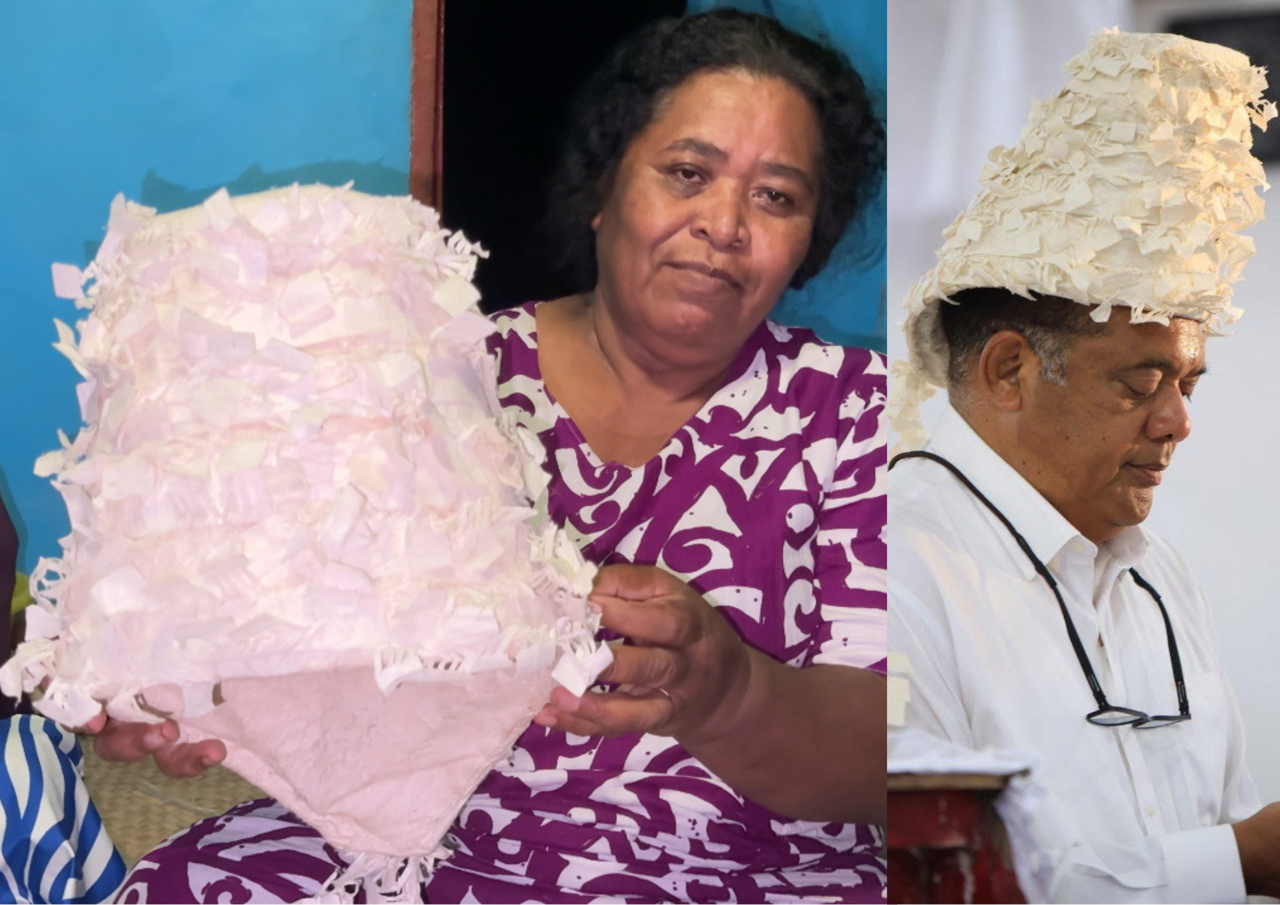
Anaseini Vakacagicagi of Yavusa Maumi in Narocivo, Nayau, proudly fulfilled a sacred family duty last week during the installation of the new Tui Nayau.
Carrying on a legacy passed down through generations, Anaseini was entrusted with the making of the Salasiga, a traditional crown-like headpiece made from softened masi, adorned by the newly installed Tui Nayau.
This ceremonial cap symbolizes chiefly authority and heritage, and her role in crafting it reflects a deep connection to her ancestry and culture.
“I’m confident to make it, because I know that my late grandmother made them,” Anaseini said, her voice filled with pride and reverence.
“She was the sister of the Vaka ni Nayau, who installed the last Tui Nayau, Ratu Sir Kamisese Mara.”
Now a mature woman, Anaseini remembers how her grandmother not only crafted the Salasiga for the late Tui Nayau in 1969, but also took the time to teach her the traditional technique, beating the masi until it is as soft as possible, ready to honor a chief.
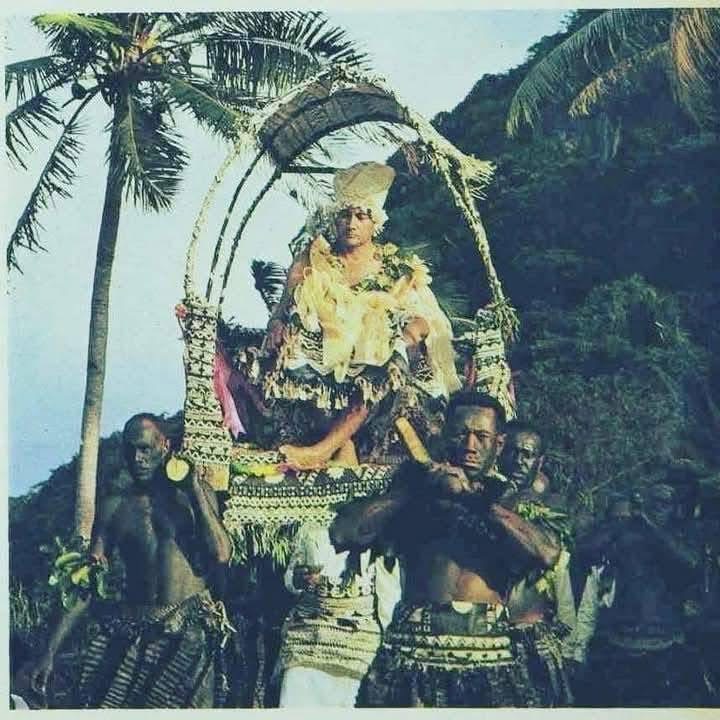
“She taught me with love and patience. That’s why I am confident to do this. I know it’s more than just an item, it’s a symbol of our history and identity,” she said.
The ceremony was more than a moment of duty for Anaseini, it was also a personal milestone. Though she resides in Viti Levu, she made the journey home to Nayau to fulfill this traditional obligation, a responsibility she considers both a privilege and a blessing.
“I am thankful that I am able to witness the installation of the Tui Nayau,” she said.
“It means so much to return home and be part of something that connects us to our roots.”
The last installation took place in 1969, when Anaseini was just two years old. Too young to remember the event, she recalls being kept in a separate house with other children during the sacred proceedings. However, that day still left a mark on her family in a unique way, her younger brother was named after the historic event.
“My younger brother was then named Iliesa Veibulirogomaivanuatani, in honor of that occasion,” she shared with a soft smile. “That name carries a story, and now we have another story to add.”
Through her hands, the wisdom of her grandmother lived on, bridging generations and binding the past to the present.
In a world of change, some things remain sacred. For Anaseini Vakacagicagi, the rhythm of the masi, the memory of her grandmother, and the honor of serving her vanua are among them.
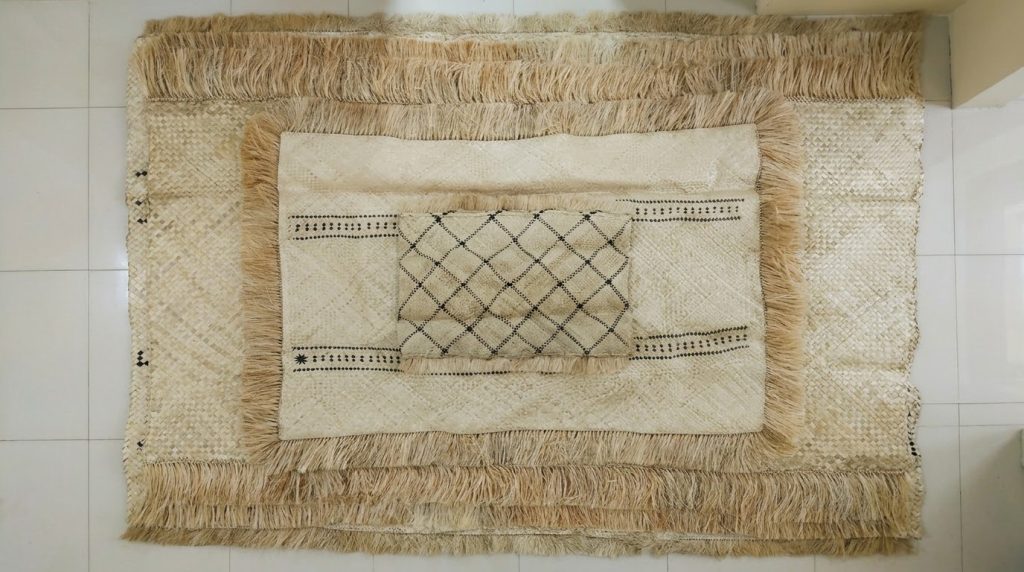
Multicultural Center steps up to preserve Fijian provincial mat-weaving heritage
Sep 09, 2026, 10:20 AM
India scholarships strengthen skills development and bilateral ties with Fiji
Feb 07, 2026, 04:57 PM
iTaukei film “ADI” revives Vanua values and cultural identity
Jan 22, 2026, 10:41 PM
Language and community key to preserving identity
Jan 08, 2026, 12:50 PM
Christmas Eve warmth fills Suva Market
Dec 24, 2025, 06:37 PM
Multicultural Center steps up to preserve Fijian provincial mat-weaving heritage
Sep 09, 2026, 10:20 AM
India scholarships strengthen skills development and bilateral ties with Fiji
Feb 07, 2026, 04:57 PM
iTaukei film “ADI” revives Vanua values and cultural identity
Jan 22, 2026, 10:41 PM
Language and community key to preserving identity
Jan 08, 2026, 12:50 PM
Christmas Eve warmth fills Suva Market
Dec 24, 2025, 06:37 PM
 Eparama Warua