In Fiji:

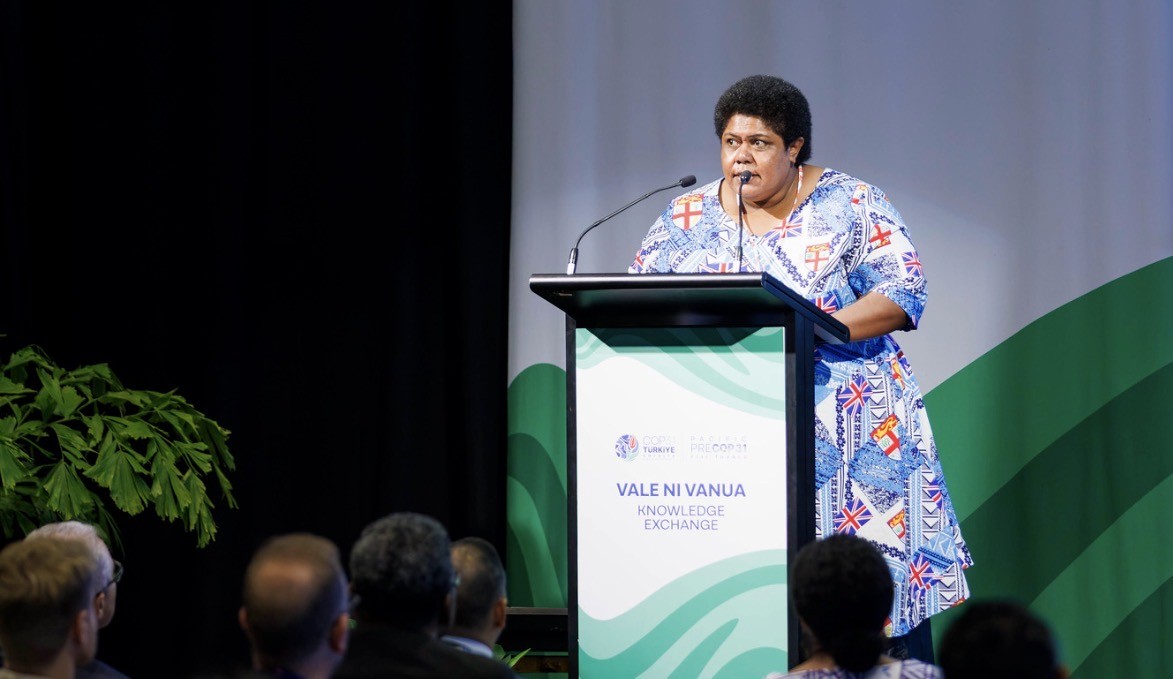
For Lavenia Naivalu, the impacts of climate change are no longer something being discussed from a distance.
The Mata ni Tikina of Nacula in the Yasawa Islands says rising seas, stronger storms, declining fish stocks and saltwater intrusion are already affecting communities and threatening places of cultural significance.
Speaking at Pre-COP31, Naivalu carried the concerns of her community to global climate representatives, calling for greater recognition of traditional knowledge and community-led conservation.
“The sea is moving closer to our homes. Storms are stronger. Fish are harder to find. Salt water reaches our gardens.”
She says some of the impacts are also being felt in places that hold deep cultural importance.
“The resting places of our ancestors have been washed away for us.”
Naivalu says Pacific communities have been caring for their marine environments through traditional systems for generations, and that knowledge must be recognised in global climate and conservation decisions.
She is calling for community-managed marine areas to be recognised as part of efforts to meet the global 30-by-30 conservation target, but says this must happen with the free, prior and informed consent of communities.
“Respect our rights, our customary governance, and the wisdom passed down by our elders.”
Naivalu is also calling for long-term climate and conservation financing to reach communities directly, along with access to affordable, reliable and clean energy.
She says climate, biodiversity, ocean protection and sustainable development cannot be treated as separate issues because Pacific communities experience them as one interconnected challenge.
“Our ancestors taught us that everything is interconnected, and this is how we have cared for our Pacific Ocean for thousands of years.”
Naivalu says Pacific communities also need stronger links between locally managed marine areas and wider ocean networks, because marine life does not recognise national borders.
“Our turtles, our sharks, our whales, and tuna do not stop at borders.”
Having attended global UNFCCC gatherings for the fourth year, Naivalu says she continues to carry the voices of her community to international climate discussions.
But she says communities should not have to repeatedly travel to global meetings to explain the same problems while climate impacts continue at home.
“We cannot keep travelling across the world to tell the same story while the waters continue to rise at home.”
As COP31 approaches, Naivalu wants leaders to move beyond commitments and deliver action that communities can see and feel.
“Our people cannot survive on promises.”
And when she returns to Nacula, she says her community will want to know what was decided.
“I want to tell them that you heard us and that you acted before more of our reef, our homes, and our history were lost.”
For Naivalu, the measure of climate leadership is ultimately what happens after the meetings end.
“The true test of leadership is not what you see in this room. It is what changes when you leave it.”
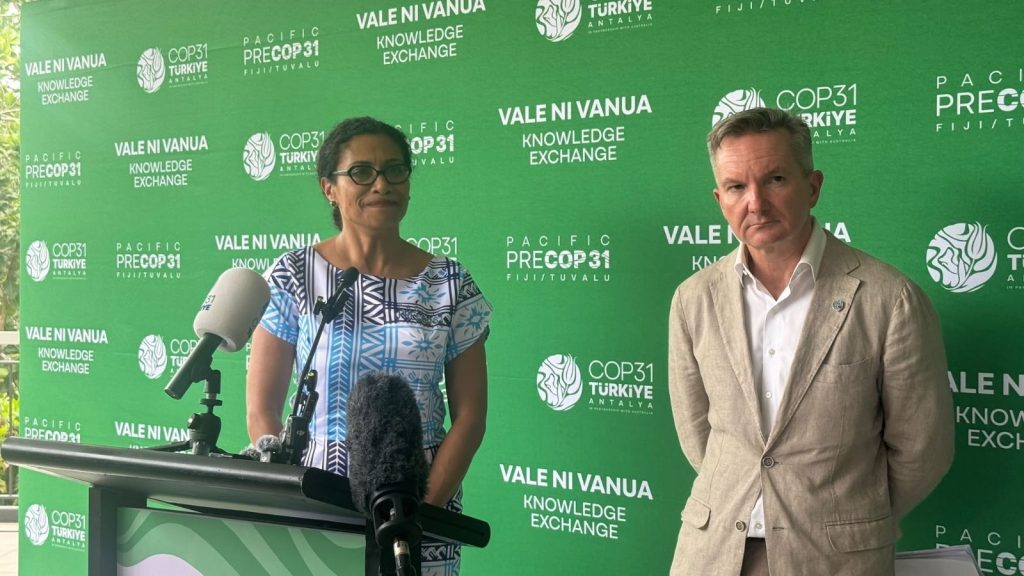
Australia commits new funding to support Pacific clean energy transition
Oct 05, 2026, 10:56 PM
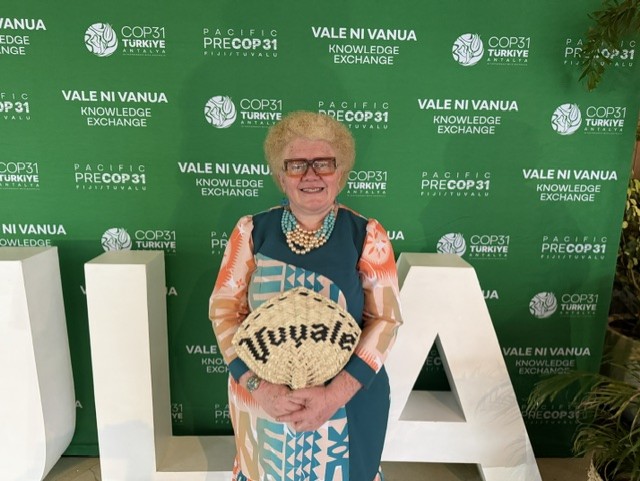
Disability voices urged to be included in climate decisions
Oct 05, 2026, 10:53 PM
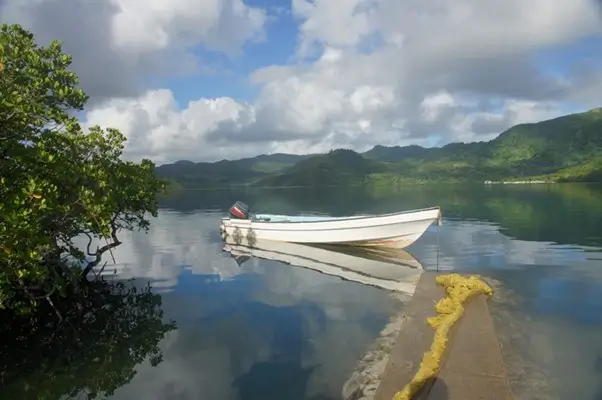
Pacific climate finance focus ahead of Pre-COP31
Sep 27, 2026, 04:51 PM
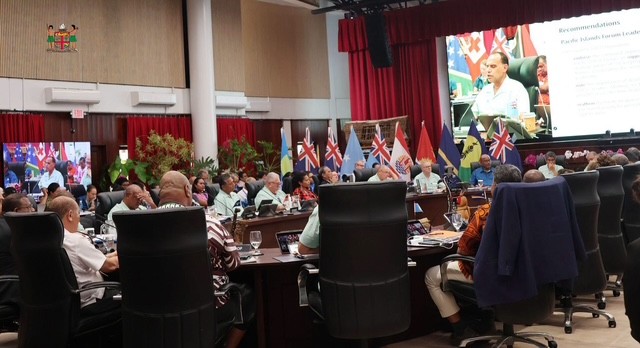
Pacific leaders endorse gender and climate pact
Sep 10, 2026, 01:18 PM
Fiji’s Recycling Community stands with Nepal after devastating floods
Sep 06, 2026, 05:51 PM
Australia commits new funding to support Pacific clean energy transition
Oct 05, 2026, 10:56 PM
Disability voices urged to be included in climate decisions
Oct 05, 2026, 10:53 PM
Pacific climate finance focus ahead of Pre-COP31
Sep 27, 2026, 04:51 PM
Pacific leaders endorse gender and climate pact
Sep 10, 2026, 01:18 PM
Fiji’s Recycling Community stands with Nepal after devastating floods
Sep 06, 2026, 05:51 PM
 Eparama Warua