In Fiji:

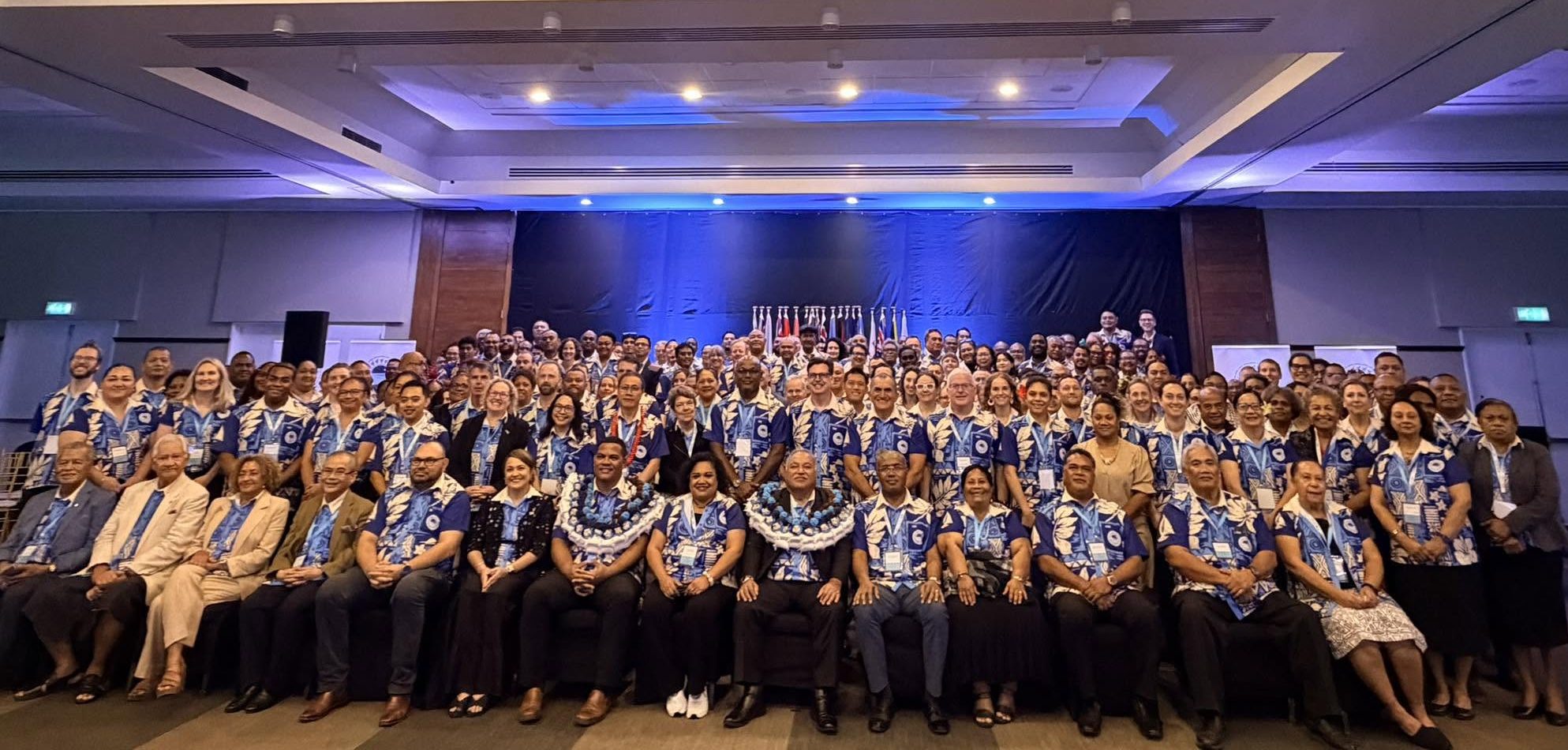
Pacific leaders and regional stakeholders have called for stronger cooperation and Pacific-driven solutions to address emerging security challenges across the region during the 2026 Pacific Peace and Security Dialogue in Suva.
The forum, held at the Grand Pacific Hotel, brought together government representatives, regional organisations, security agencies, academics, civil society groups and youth representatives to discuss the evolving security landscape in the Blue Pacific.
Delivering the keynote address, Tuvalu’s Minister for Transport, Energy, Communication and Innovation, Simon Kofe, stressed that regional responses to security threats must be grounded in shared Pacific values and collective responsibility.
Kofe said Pacific nations are confronting a range of interconnected challenges, including climate change, transnational crime, technological advancements and growing geopolitical pressures. He noted that regional cooperation remains critical to effectively managing these issues.
He pointed to the 2050 Strategy for the Blue Pacific Continent as a key framework for strengthening collaboration, with a focus on people, culture, identity and shared responsibility.
According to Kofe, security should extend beyond traditional concepts and include environmental protection, community wellbeing, good governance and societal resilience.
He also highlighted the success of regional cooperation through the Parties to the Nauru Agreement, saying collective approaches have helped Pacific countries better safeguard shared resources and interests.
Pacific Islands Forum Secretary General Baron Divavesi Waqa echoed similar concerns, describing the current global environment as one of uncertainty driven by conflict, economic pressures, organised crime, climate change and increasing strategic competition.
Waqa reaffirmed the need for Pacific countries to lead regional peace and security discussions through Pacific-owned priorities and frameworks.
He said while the necessary political commitment and policy foundations already exist, greater emphasis is now needed on implementation and delivery.
He highlighted ongoing work on the Regional Peace and Security Action Plan 2026–2030, which aims to strengthen coordinated regional responses to challenges such as organised crime, climate-related security risks, human security concerns and the protection of Pacific communities.
The dialogue continues to serve as a platform for regional partners to exchange ideas, strengthen partnerships and identify practical solutions aimed at building a more secure, peaceful and resilient Pacific.
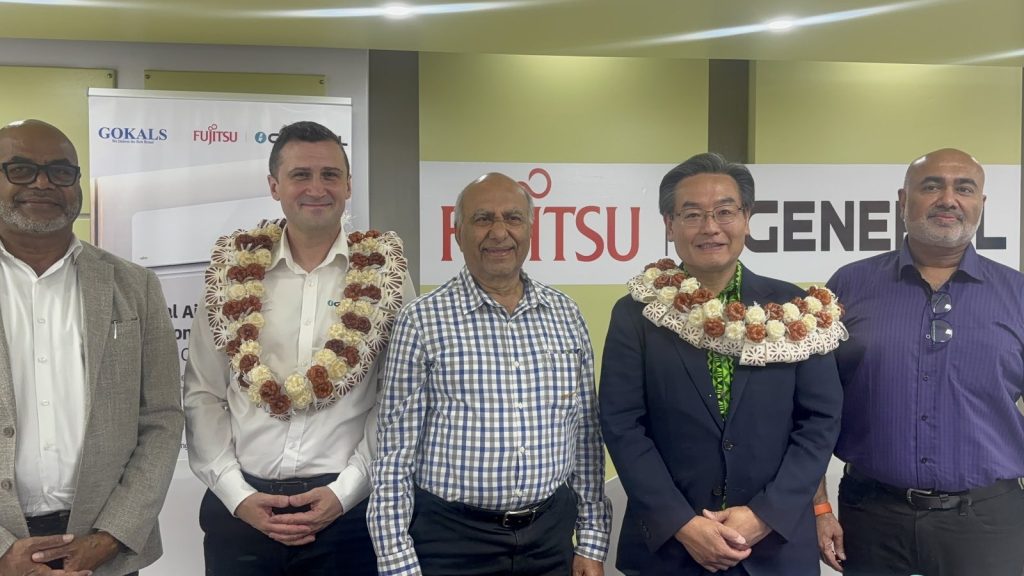
Gokals Launches Fujitsu Air Conditioning, Focusing on Customer Needs and...
Oct 20, 2026, 04:50 PM
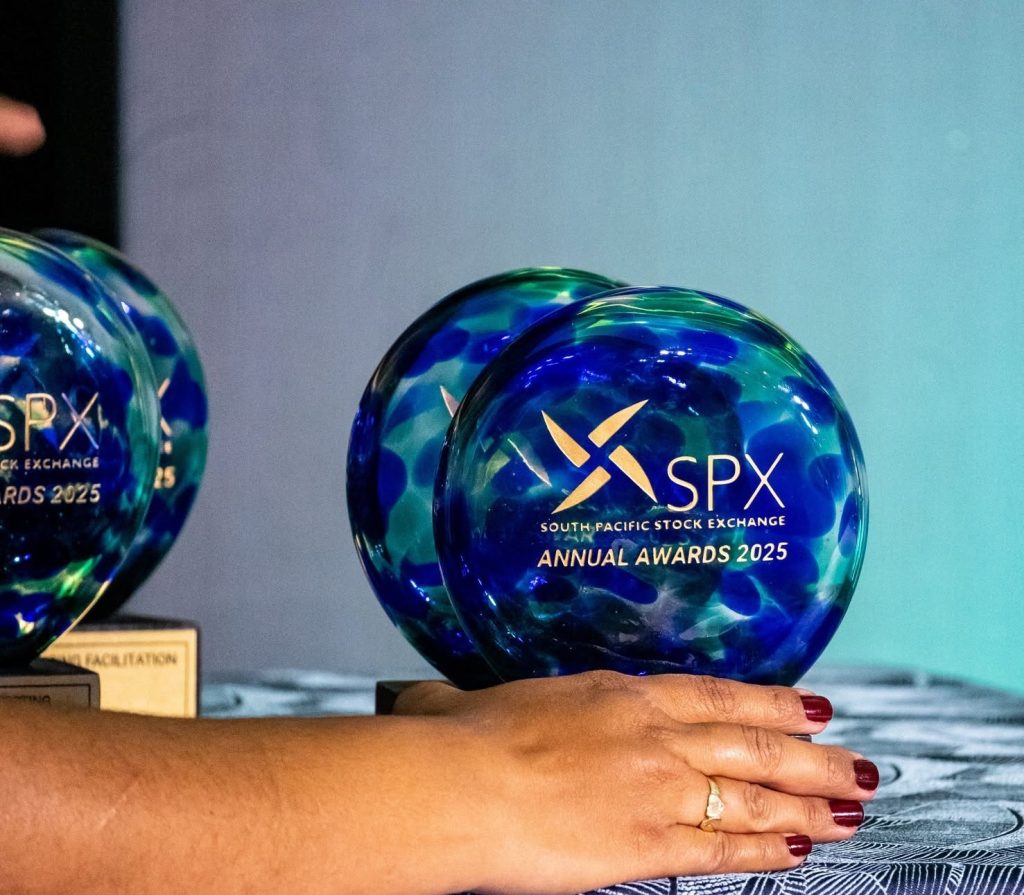
SPX Opens Entries for 2026 Corporate Excellence Awards
Oct 20, 2026, 03:08 PM

Woolworths partners Rugby World Cups in Australia
Oct 20, 2026, 02:47 PM
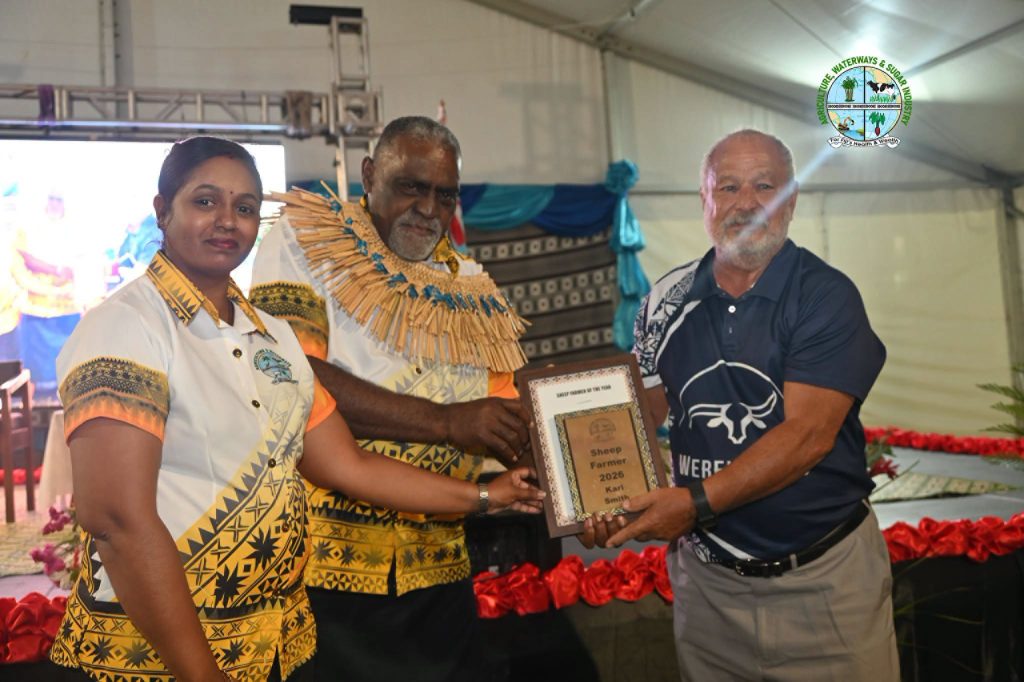
At 71 Karl Smith Continues to Thrive in Farming
Oct 20, 2026, 02:44 PM
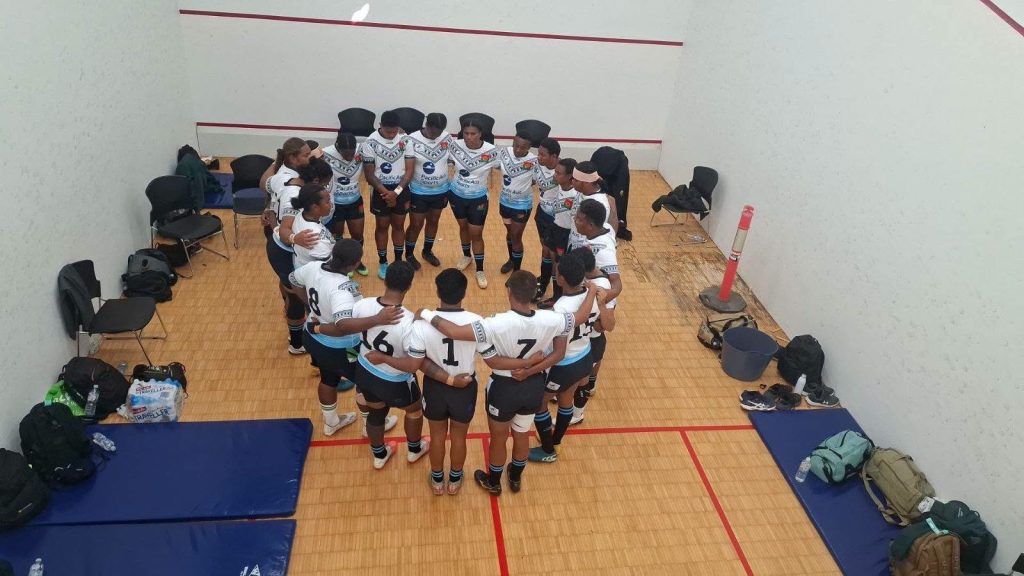
RFMF Women Secure Defence Pacific Cup Series
Oct 20, 2026, 02:31 PM
Gokals Launches Fujitsu Air Conditioning, Focusing on Customer Needs and...
Oct 20, 2026, 04:50 PM
SPX Opens Entries for 2026 Corporate Excellence Awards
Oct 20, 2026, 03:08 PM
Woolworths partners Rugby World Cups in Australia
Oct 20, 2026, 02:47 PM
At 71 Karl Smith Continues to Thrive in Farming
Oct 20, 2026, 02:44 PM
RFMF Women Secure Defence Pacific Cup Series
Oct 20, 2026, 02:31 PM
 Fiji One News Team