In Fiji:

The Pacific Tourism Organisation (SPTO) has confirmed its commitment to remain an independent, standalone regional agency, following consultations with the tourism industry and endorsements from its Council of Tourism Ministers, Board, member countries, and private sector partners.
The announcement comes amid the ongoing Review of the Regional Architecture (RRA), a process designed to ensure Pacific governance structures are “fit-for-purpose” in advancing the region’s priorities, including the 2050 Strategy for the Blue Pacific Continent. SPTO and its stakeholders emphasized that any reforms must strengthen tourism’s role as a key driver of regional development.
Established in 1983, SPTO is recognized globally by the UN World Tourism Organization and is respected regionally for its leadership in sustainable tourism. The agency’s 2025–2029 Strategic Plan aligns with the Blue Pacific 2050 Strategy, UN frameworks, and member country priorities.
Tourism remains a vital economic engine in the Pacific, contributing FJD $2.5 billion to Fiji’s economy (40% of GDP) in 2024 and generating NZ $500 million for the Cook Islands (73% of GDP). Despite post-COVID recovery, only six of 20 Pacific Island member countries have fully rebounded.
Viliame Gavoka, Chair of the Council of Tourism Ministers and Fiji’s Minister for Tourism and Civil Aviation, said,
“Tourism is not a peripheral activity; it fuels economies, sustains livelihoods, preserves our cultural heritage, and strengthens resilience to global shocks. SPTO’s independence is essential to ensure tourism remains prioritized and empowered to deliver real impact.”
SPTO’s hybrid public–private governance model allows inclusive decision-making and sectoral agility, positioning the agency as a vital player in sustainable tourism development. The organisation has urged Pacific leaders to protect its autonomy in any structural reforms, ensuring tourism continues to support the region’s economies, communities, and cultural identity.

Datec Fiji wins Lenovo Regional Partner Award
Oct 19, 2026, 04:59 PM
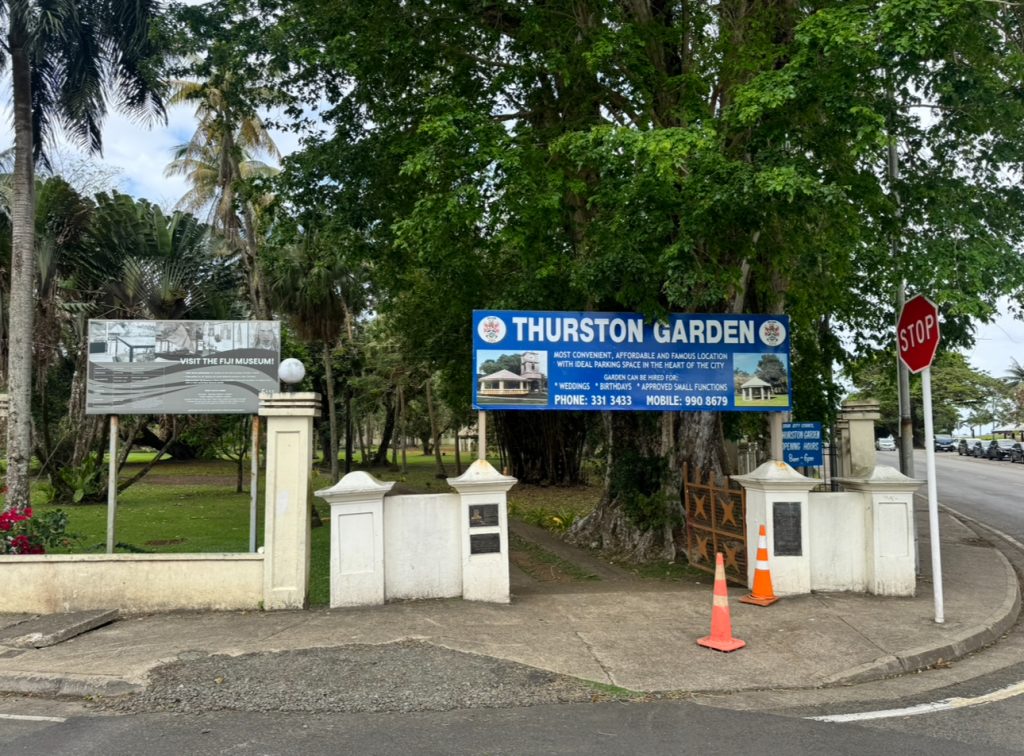
Police seek public help to identify woman found in Suva
Oct 19, 2026, 03:01 PM

Four Men Arrested in Drug Bust at Narain Jetty
Oct 19, 2026, 12:10 PM

Sayed-Khaiyum, Sagar acquitted after FICAC withdraws charges
Oct 19, 2026, 09:56 AM
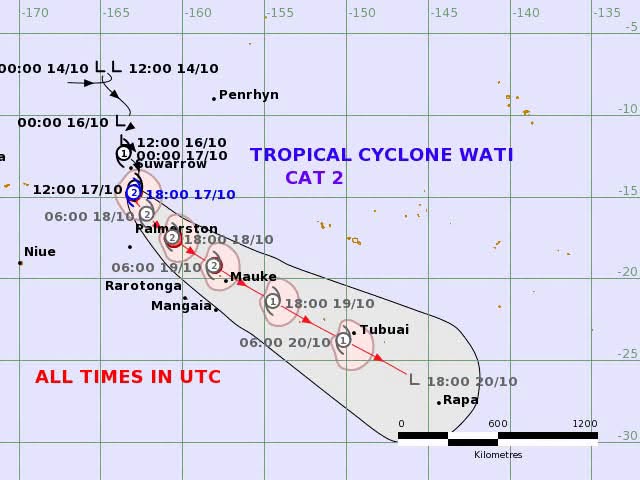
Tropical Cyclone Wati reaches category 2, approaches Aitutaki
Oct 19, 2026, 09:44 AM
Datec Fiji wins Lenovo Regional Partner Award
Oct 19, 2026, 04:59 PM
Police seek public help to identify woman found in Suva
Oct 19, 2026, 03:01 PM
Four Men Arrested in Drug Bust at Narain Jetty
Oct 19, 2026, 12:10 PM
Sayed-Khaiyum, Sagar acquitted after FICAC withdraws charges
Oct 19, 2026, 09:56 AM
Tropical Cyclone Wati reaches category 2, approaches Aitutaki
Oct 19, 2026, 09:44 AM
 Fiji One News Team