In Fiji:

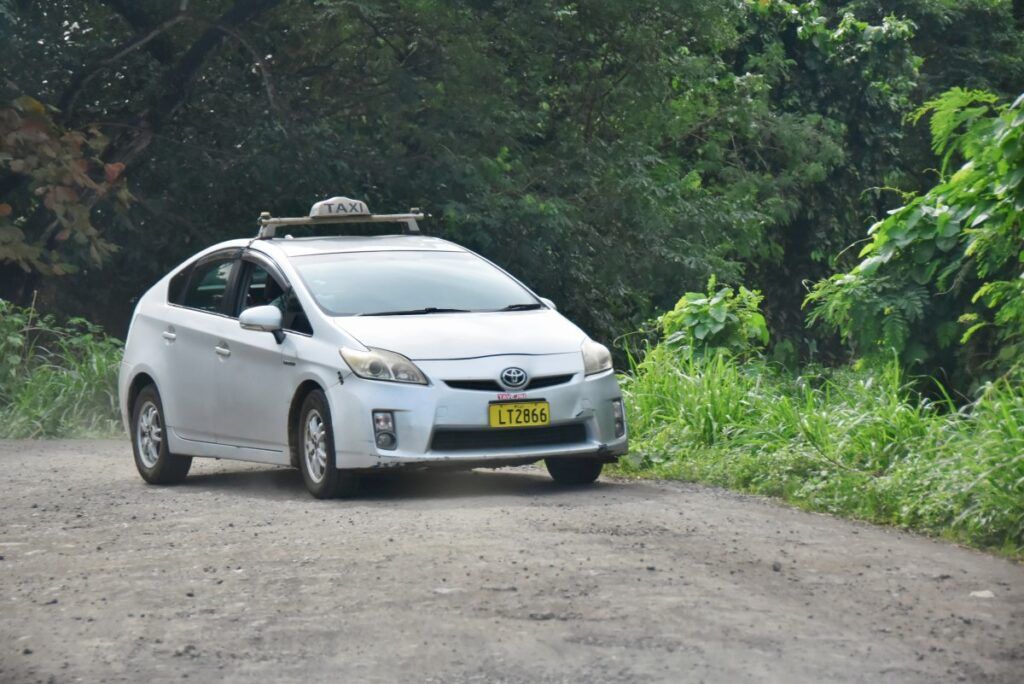
Debate in Parliament on Friday highlighted growing concerns over Fiji’s transition from an open taxi rank system to a regulated base allocation framework, with questions raised about access, affordability, and the potential impact on drivers’ livelihoods.
Minister for Public Works, Meteorological Services and Transport, Ro Filipe Tuisawau, acknowledged that some taxi operators are struggling to obtain base letters under the new system.
He told Parliament that existing operators have until 30 September 2027 to secure approved bases within their designated areas.
Tuisawau stressed that the transition period allows taxi drivers to continue operating under the current open system while the reforms are gradually implemented.
“The objective is to ensure all operators are accommodated before the deadline,” he said, urging drivers to engage early with municipal councils and local authorities rather than waiting until the final stages of the transition.
A key issue raised during the session was the limited availability of taxi bases, particularly in urban areas.
Opposition MP Hem Chand warned that removing the open rank system too quickly could reduce the number of taxis in towns and cities, leading to longer wait times for passengers and financial strain on drivers.
In response, Tuisawau said the government is prioritising the development of new taxi bases, especially in rural and underserved areas, while also working with municipal councils to expand capacity in urban centres.
“We will work closely with municipal councils to open further taxi bases to accommodate operators,” he said, adding that no driver would be forced out before the 2027 deadline.
However, concerns persist about how the system will function in practice.
Opposition MP Premila Kumar questioned the feasibility of establishing bases, noting that municipal land is limited and costly, and that rural areas lack clear systems for issuing base letters.
She warned that without sufficient infrastructure, many operators could struggle to comply with the new requirements.
Tuisawau responded that land availability in rural areas is less of a constraint and that processes are already in place for operators to secure base approvals, including arrangements on native land through landowners and provincial councils.
He added that base allocation would follow a quota system based on population and demand.
Another concern raised was the potential cost burden on taxi drivers. Opposition MP Ketan Lal asked whether drivers would be required to pay rental or purchase fees for base spaces.
The Minister confirmed that fee regulations are still being developed, with safeguards planned to prevent excessive charges.
“We don’t want base owners charging exorbitant fees,” Tuisawau said, noting that a formula is being designed to ensure affordability based on average taxi earnings.
Meanwhile, suggestions were also made to maintain flexibility in high-demand commercial areas.
Opposition MP Rinesh Sharma proposed establishing taxi bases near busy locations such as Damodar City and reconsidering restrictions like yellow lines to improve accessibility.
Tuisawau indicated that a hybrid system may emerge, combining designated bases with controlled open areas in high-traffic zones, to balance accessibility with traffic management.
The Minister acknowledged that challenges are expected during the rollout but emphasised ongoing consultation with stakeholders, including the Land Transport Authority, municipal councils, and taxi operators.
The reforms aim to bring more structure to the taxi industry, improve service coverage in rural areas, and address longstanding issues caused by unregulated operations.
However, as highlighted in Parliament, the success of the transition will depend on how effectively authorities address gaps in infrastructure, affordability, and implementation on the ground.

FWCC Seeks Answers Over Person of Interest Leaving Fiji
Oct 20, 2026, 01:26 PM
Body found at Thurston Garden identified
Oct 20, 2026, 11:57 AM
Extension Street Road Link to Improve Suva Traffic
Oct 20, 2026, 11:30 AM

Rough Seas Halt Water Carting to Cikobia
Oct 20, 2026, 10:55 AM

Emergency water supply reaches drought-hit Viwa island
Oct 20, 2026, 10:21 AM
FWCC Seeks Answers Over Person of Interest Leaving Fiji
Oct 20, 2026, 01:26 PM
Body found at Thurston Garden identified
Oct 20, 2026, 11:57 AM
Extension Street Road Link to Improve Suva Traffic
Oct 20, 2026, 11:30 AM
Rough Seas Halt Water Carting to Cikobia
Oct 20, 2026, 10:55 AM
Emergency water supply reaches drought-hit Viwa island
Oct 20, 2026, 10:21 AM
 Eparama Warua