In Fiji:

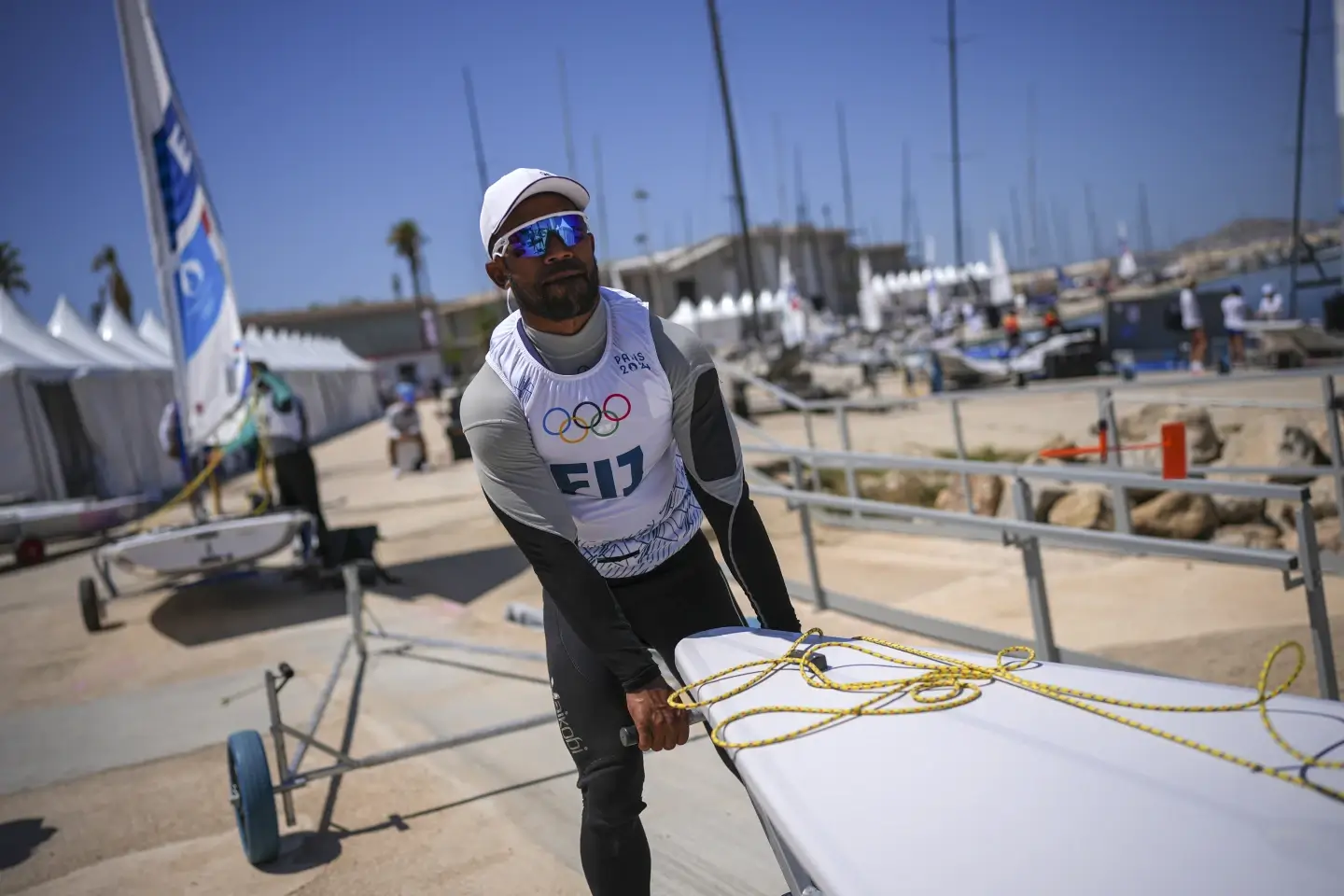
Fiji’s Viliame “Vili” Ratulu has returned home with fresh insights and a renewed vision for the nation’s sailing future after completing World Sailing’s 2025 Technical Coaching Course Level 2 & 3 in Weymouth, United Kingdom.
The four-week program, held from 15 September to 11 October, brought together 12 coaches from around the world, with Ratulu attending through an Olympic Solidarity Coaching Scholarship.
Representing the Fiji Yachting Association, Ratulu used his final presentation to outline a clear mission: to reignite Fiji’s sailing culture, reconnect the country with its maritime roots, and strengthen youth development through the sport.
Ratulu said the course reshaped his coaching philosophy, particularly how he plans and delivers training sessions.
He emphasized empowering athletes to take part in planning and goal-setting, and tailoring coaching to individual needs so each sailor can progress at their own pace.
One of the biggest takeaways, he shared, was recognizing the coach’s influence beyond competition.
“It’s about helping young people become better individuals, not just better sailors,” Ratulu said a principle he hopes to extend to peers who may have drifted away from their ambitions.
On the performance side, Ratulu aims to refine the team’s focus on “racing mode,” emphasizing quality execution over mere race completion.
His technical goals include sharper starts, smoother maneuvers, more efficient mark roundings, and stronger tactical awareness in changing wind conditions.
His coaching framework will follow a Plan–Teach–Brief–Do–Review cycle a structured yet flexible method designed to keep athletes engaged while focusing on both process and progress.
Beyond the water, Ratulu highlighted the importance of communication, trust, and leadership in building a positive team culture.
He acknowledged past challenges in gaining parents’ confidence amid concerns about youth exposure to drugs and negative peer pressure but believes stronger leadership and consistent mentorship can “fill the vacuum” in young lives with purpose and discipline.
Ratulu also plans to collaborate closely with other local coaches, fostering open dialogue, shared objectives, and regular knowledge exchange sessions.
Reflecting on the experience, he said the course broadened his understanding of the entire sailing pathway from grassroots participation to elite performance.
The changes he intends to bring home range from how he delivers feedback to how he engages newcomers, reinforcing his belief that strong coaching supports both athletic and personal growth.
Looking ahead, his 12–24-month development plan focuses on rebuilding Fiji’s grassroots sailing base as a foundation for long-term success.
His targets include qualifying two male and two female sailors in ILCA 4 for the Australian and New Zealand nationals, and transitioning two female sailors to ILCA 6 by 2027 to compete at the Pacific Games.
In closing his presentation, Ratulu expressed gratitude to his international peers, whom he described as “strangers who became a sailing family,” leaving them with a saying that reflects both his spirit and his sport: “You can’t change the wind, but you can adjust your sails.”

Fiji names squad for PacificAus Netball Challenge
Oct 14, 2026, 05:04 PM
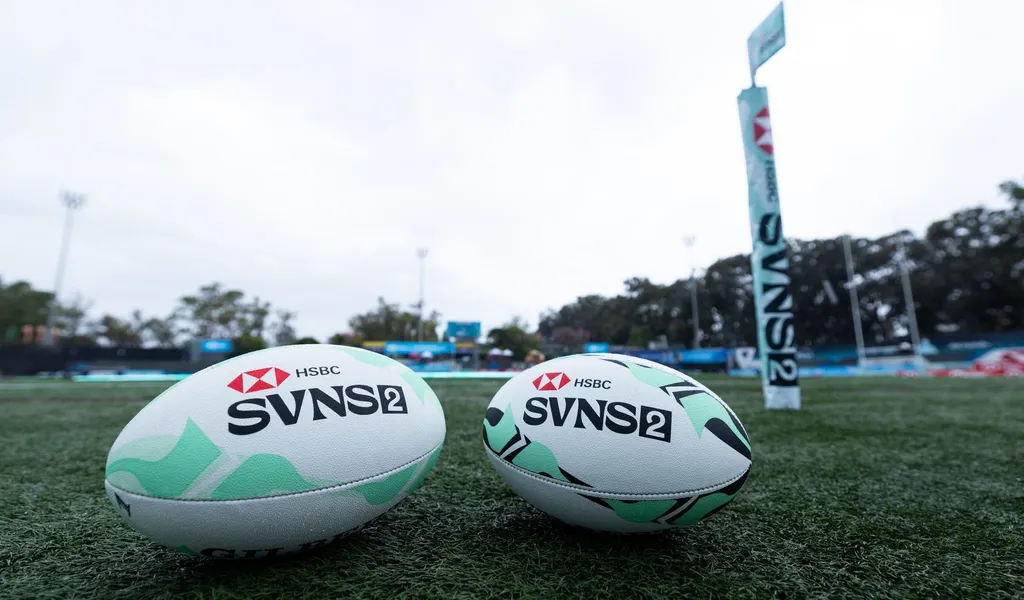
HSBC SVNS 2 confirms three stops for 2027
Oct 14, 2026, 03:29 PM

Constitution Bill consultations to begin tomorrow
Oct 14, 2026, 01:03 PM
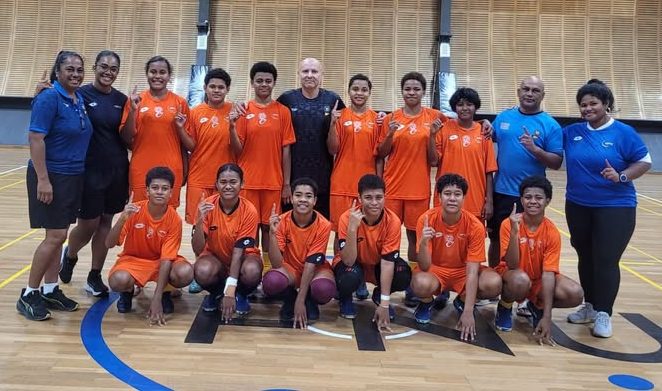
Fiji U17 Girls’ Futsal Team Begins Training for Youth Olympics
Oct 14, 2026, 12:28 PM
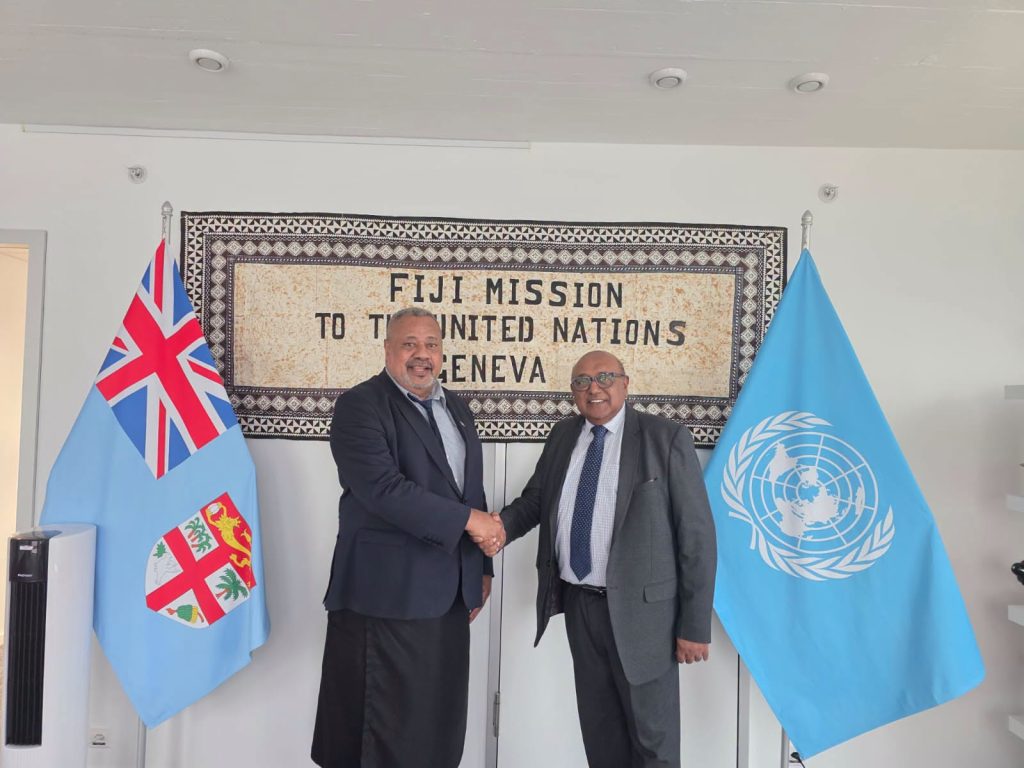
Nitin Gandhi Recognised for Global Red Cross Service
Oct 14, 2026, 11:55 AM
Fiji names squad for PacificAus Netball Challenge
Oct 14, 2026, 05:04 PM
HSBC SVNS 2 confirms three stops for 2027
Oct 14, 2026, 03:29 PM
Constitution Bill consultations to begin tomorrow
Oct 14, 2026, 01:03 PM
Fiji U17 Girls’ Futsal Team Begins Training for Youth Olympics
Oct 14, 2026, 12:28 PM
Nitin Gandhi Recognised for Global Red Cross Service
Oct 14, 2026, 11:55 AM
 Fiji One News Team